


Polychrome Terracotta Sculpture
These polychrome terracotta sculpture pieces bring fired earth to life with colour and pigment, offering an immediate touch of historic character for your room.

Polychrome Terracotta Sculpture
When you search for polychrome terracotta sculpture, you encounter figural works, busts, and architectural ornaments shaped from clay and finished with painted or glazed surfaces. The selections span various eras, from early Chinese pottery and Indian tent pole tops to 18th-century Neapolitan figures and 19th-century Austrian works.
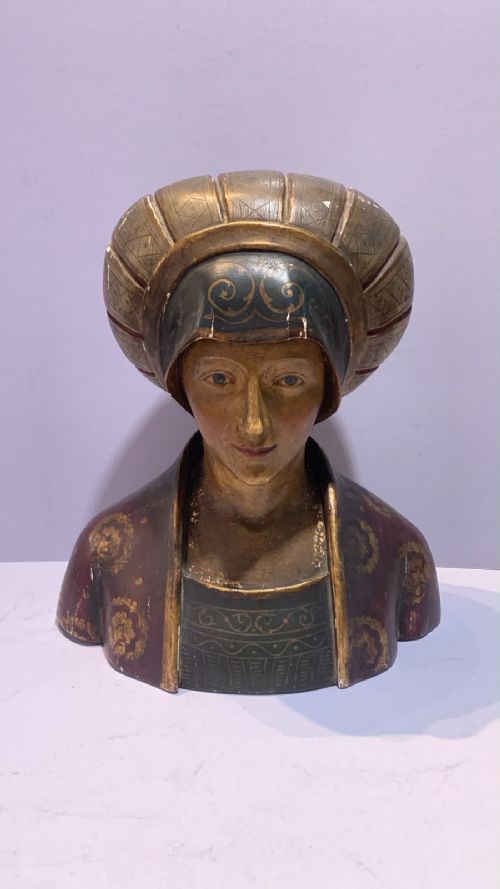
The version you are most likely to meet on this page is a 19th-century European piece, such as a Grand Tour bust or an Austrian figurative study. These later items often combine realistic modelling with expressive painted surfaces.
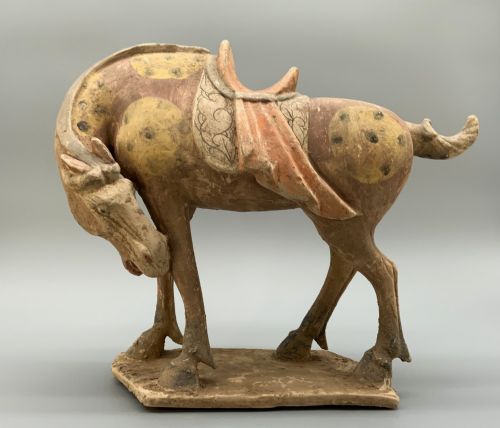
Earlier examples also appear, ranging from Tang Dynasty pottery horses to 18th-century Italian figures and Spanish terracotta planters. Each format uses baked earth as a canvas for mineral pigments, glazes, or polychrome paint.

How they were made
The foundation of every piece is clay or ceramic, worked by hand or pressed into a mould before being fired in a kiln to harden the earth. Artisans then applied mineral pigment, paint, or lead-based glazes directly onto the porous surface.
The listings on this page span from pre-16th century Asian pottery to 20th-century European terracotta figures and planters.
What varies in quality
Quality rests upon the skill of the modelling and the sensitivity of the surface decoration. A finely detailed bust or figure displays precise anatomical definition in the clay before any colour is added.
The preservation and application of the original pigment or glaze dictate the visual impact of the piece. Works that retain their authentic polychrome surfaces without heavy overpainting offer a truer representation of the maker's intent.
George Kemper·Bernard Bloch·Pietro Calvi·HL Blasche·Reps and Trinte·Goldscheider
The Polychrome Terracotta Sculpture Glossary
- Terracotta
- A porous, fired red earthenware clay used for sculptural and architectural objects.
- Polychrome paint
- Decoration applied using multiple colours to render garments, skin tones, and decorative patterns.
- Glaze
- A glassy coating fused to a ceramic body through kiln firing, often adding colour and waterproofing.
- Mineral pigment
- Natural earth or rock-derived colorant used to tint the surface of unglazed or matte clay.
- Grand Tour
- A cultural journey undertaken by 19th-century Europeans collecting classical art and sculpture souvenirs.
Polychrome Terracotta Sculpture: Frequently Asked Questions
Where should I place these sculptures?
Position them indoors away from direct sunlight and damp areas to protect the delicate painted or glazed surfaces.
Keep them on stable shelves or tables where heavy figures will not be accidentally knocked or tipped over.
How do I identify a 19th-century piece?
Look for naturalistic modelling styles, maker stamps, or realistic subjects such as portraits, grand tour busts, and figurative planters.
Compare the base material and glaze characteristics with known factory standards from Austrian and European foundries of that era.
Are these pieces painted originally?
Many examples feature original mineral pigments or polychrome paint applied directly to the fired clay body.
Some utilise coloured glazes fused in the kiln, which provides a glossy and permanent finish compared to surface paint.