
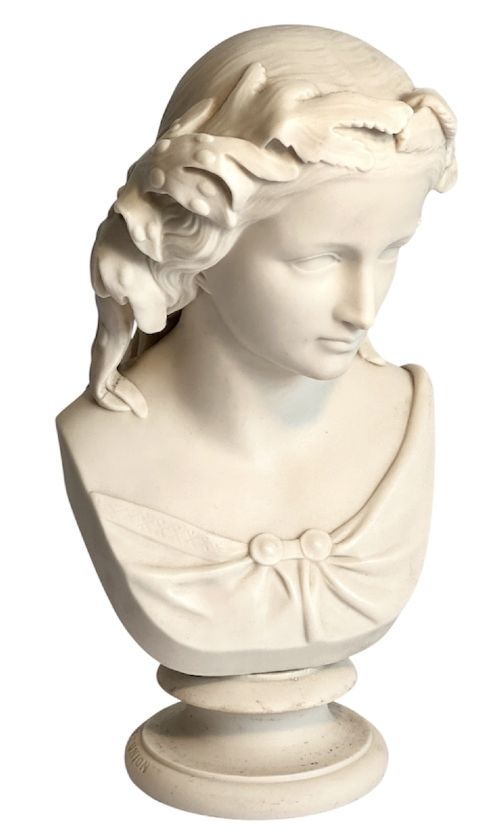


Antique Ceramic Portrait Bust
An antique ceramic portrait bust brings character and presence to a room, capturing historical figures and classical ideals in enduring material.
Antique Ceramic Portrait Bust
An antique ceramic portrait bust depicts notable individuals, literary characters, and classical subjects in three dimensions. Buyers searching for an antique ceramic portrait bust encounter works rendered in terracotta, parian porcelain, earthenware, and bisque porcelain from the nineteenth and early twentieth centuries.
These sculptural pieces range from classical women and literary heroines to historical figures like William Shakespeare and Admiral Lord Nelson. Makers adopted various styles across these periods, moving from neoclassical and Victorian designs to art nouveau and art deco interpretations.
Most examples present the subject from the chest or shoulders up, often mounted on integrated plinths or separate stands. Italian, French, Austrian, and English workshops contributed significantly to the variety of sculptural forms available to collectors today.
How They Were Made
Craftsmen shaped these portrait busts using terracotta, earthenware, and porcelain clays, frequently finishing the surfaces with paint, glaze, or bronzed patination. Terracotta pieces required careful firing in kilns to achieve stable, durable results suitable for interior display.
Listings feature terracotta, earthenware, and parian porcelain spanning the nineteenth century through the mid-twentieth century.
What Varies in Quality
The quality of the material finish and the clarity of factory marks or artist signatures also indicate the standard of production. Pieces bearing attribution to known makers or prominent ceramic houses generally demonstrate higher execution standards.
Copeland Parian Ware·Ernst Whaliss·Georges Morin·Bohumil Rezl·A.Gory·Goldscheider
The Antique Ceramic Portrait Bust Glossary
- Terracotta
- A porous, reddish-brown earthenware clay used unglazed or painted for sculptural works. It hardens during firing and allows for fine detail in portrait modeling.
- Parian Porcelain
- A fine-grained, unglazed porcelain developed in the nineteenth century to imitate white marble. This material took its name from Parian marble found on the Greek island of Paros.
- Bisque Ceramic
- Porous porcelain or earthenware that has been fired once without a glaze, presenting a matte, white surface resembling marble. It became popular for delicate portrait busts and decorative figures.
- Neoclassical
- An artistic style drawing inspiration from the classical art and culture of ancient Greece and Rome. This aesthetic prioritizes balanced proportions, dignity, and classical dress.
- Art Nouveau
- A decorative style prevalent in the late nineteenth and early twentieth centuries characterised by flowing, organic lines and floral motifs. Sculptors applied these sinuous curves to hair and garment designs.
Antique Ceramic Portrait Bust: Frequently Asked Questions
What materials were used for these busts?
These portrait busts were created primarily using terracotta, earthenware, parian porcelain, and bisque ceramic. Artisans often enhanced the surfaces with paint, glaze, or bronzed finishes.
Some pieces also utilised plaster compositions, particularly in early twentieth-century examples produced by European foundries and workshops.
How do I identify the period of a bust?
Dating relies on stylistic markers such as neoclassical drapery, Victorian ornamentation, or the flowing lines typical of art nouveau and art deco periods. Maker marks, factory stamps, and artist signatures inscribed into the clay also provide clear chronological reference points.
The choice of material often aligns with specific eras, such as parian porcelain being prevalent during the nineteenth century.
Where were these ceramic pieces manufactured?
Production centres spanned across Europe, with significant contributions from English potteries like Staffordshire, alongside French, Austrian, and Italian workshops. Prominent artists and commercial foundries in Paris and Vienna also produced notable portrait sculptures.
Local clays and regional sculpting traditions influenced the distinct character of pieces originating from different countries.
How should I display a ceramic bust?
These sculptures require stable placement on sturdy mantelpieces, desks, or dedicated pedestals that can support their weight. Positioning them away from direct sunlight and areas of high moisture helps protect painted and unglazed ceramic surfaces.
Pairing them with appropriate room lighting highlights the contours and modeling of the subject.