
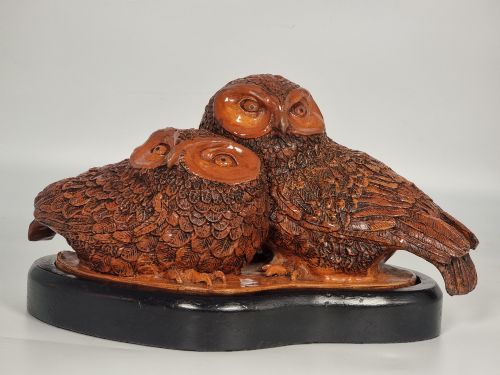
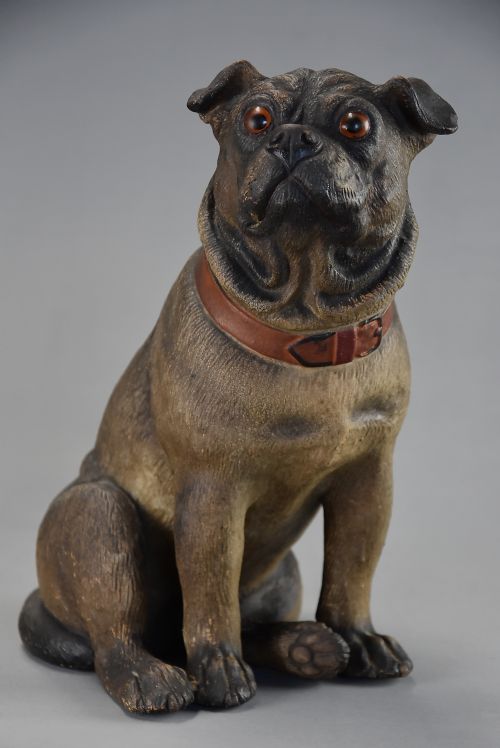
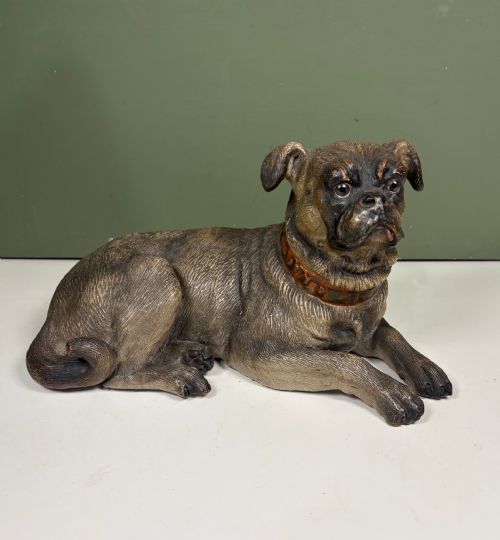
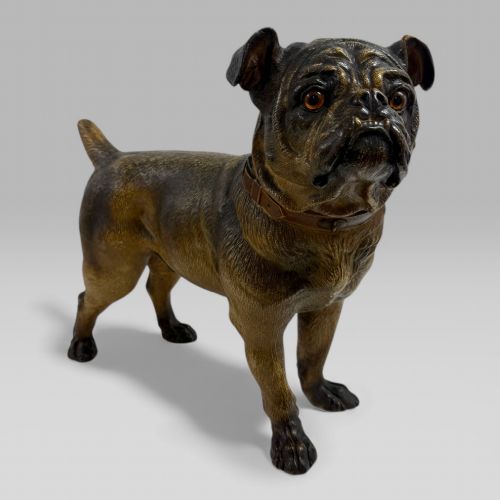





Brown Terracotta Statue
A brown terracotta statue brings warmth and character to an interior, shaped from fired clay through Victorian, Edwardian, and Art Nouveau periods.
Brown Terracotta Statue
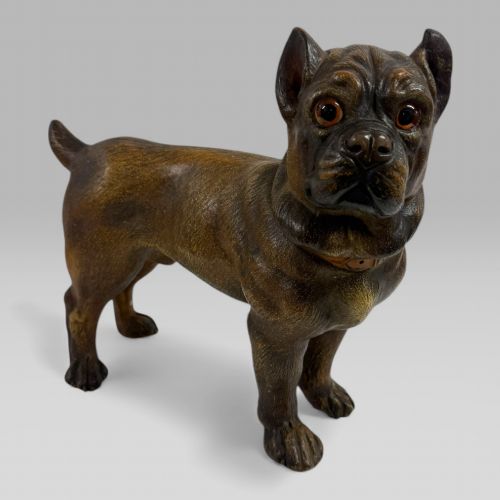
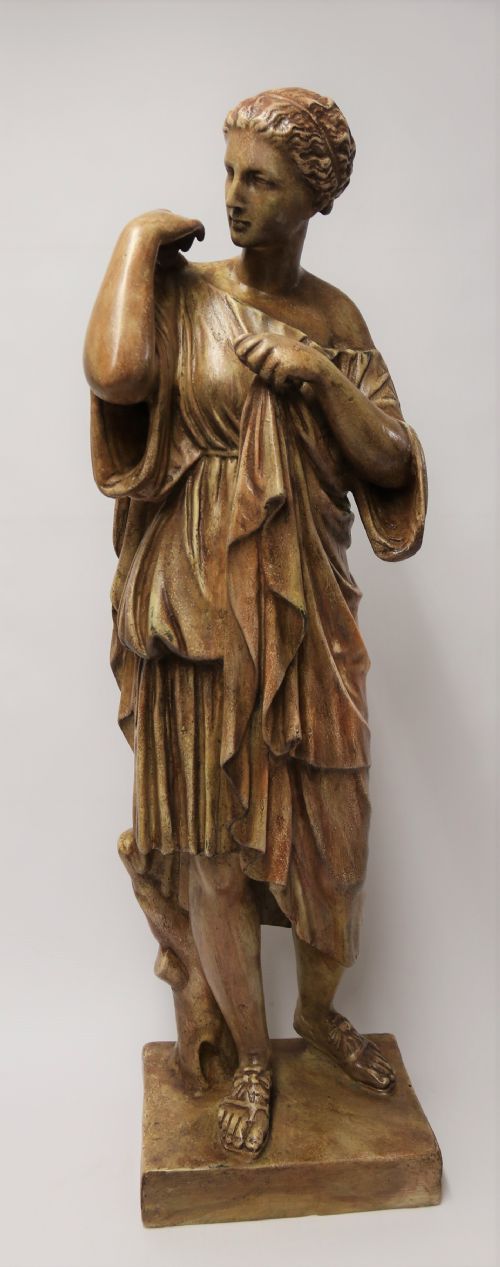
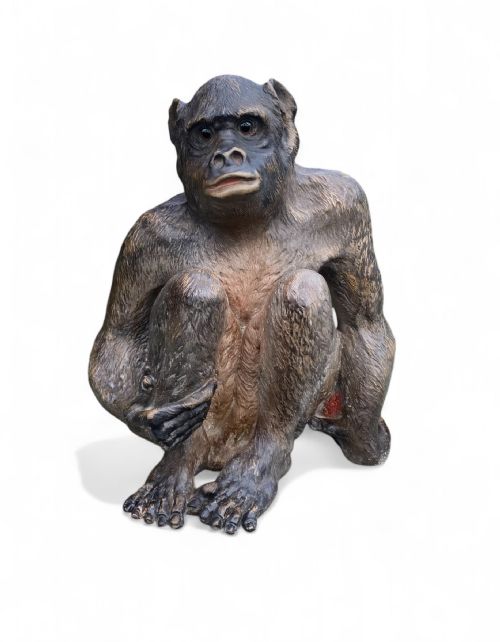
A brown terracotta statue encompasses sculpted figures, busts, and animals created from fired clay and earthenware across the eighteenth, nineteenth, and early twentieth centuries. Buyers searching for a brown terracotta statue will frequently encounter Austrian dog sculptures, French female figures, and decorative busts from the Victorian and Art Nouveau eras.
The selection extends from life-size animal studies and mythological groups to folk art heads and studio pottery pieces. Origins span across European workshops, Asian potteries, and ancient cultures, reflecting diverse sculptural traditions.
How they were made
Makers shaped these brown terracotta statue pieces using raw clay, earthenware, and plaster, often applying surface paint, glazes, or ebonised wooden bases to finish the works. Sculptors hand-sculpted or cast the forms before firing the material to achieve durability and rich earthy tones.
Many European examples utilise specialised slip or glaze techniques, whilst others rely on the natural warmth of the fired clay body to define the contours of the figures.
Listings feature periods from the eighteenth century through to the 1930s, utilising terracotta, earthenware, and plaster.
What varies in quality
Provenance and documented authorship by known European designers or foundries elevate the standing of a piece, distinguishing mass-produced items from important studio creations.
Richard Avrilli·Georges Morin·Friedrich Goldscheider·Bernard Bloch
The Brown Terracotta Statue Glossary
- Terracotta
- A porous, fired clay body ranging in colour from pale buff to deep reddish-brown. It serves as the primary medium for unglazed sculptural figures.
- Earthenware
- Pottery fired at lower temperatures that remains porous unless glazed. It provides a robust base for decorative figures and animal sculptures.
- Art Nouveau
- A decorative style prevalent around 1900 characterised by flowing organic lines and natural motifs. Figures from this period often depict stylised maidens and animals.
- Sancai
- A traditional multi-coloured lead glaze associated with Chinese pottery traditions. It creates rich surface patterns on oriental figures.
Brown Terracotta Statue: Frequently Asked Questions
How do I clean a terracotta statue?
Dust the surface gently with a soft dry brush to remove accumulated particles without damaging the porous clay.
Avoid using water or liquid cleaners, as unglazed earthenware absorbs moisture and can weaken over time.
Where were these statues made?
The pieces originate primarily from European workshops in Austria, France, and Italy during the nineteenth and early twentieth centuries.
Other examples include Asian pottery works and ancient pieces from various global regions.
Are these figures glazed?
Many examples utilise the natural unglazed surface of fired terracotta to display the warm brown body of the clay.
Some pieces feature painted finishes, slip decoration, or specialised glazes depending on the workshop and period.
How can I date my sculpture?
Dating relies on stylistic markers from periods such as Victorian, Edwardian, and Art Nouveau, alongside workshop stamps.
clothing styles, sculptural forms, and maker signatures provide the clearest indicators of age.