


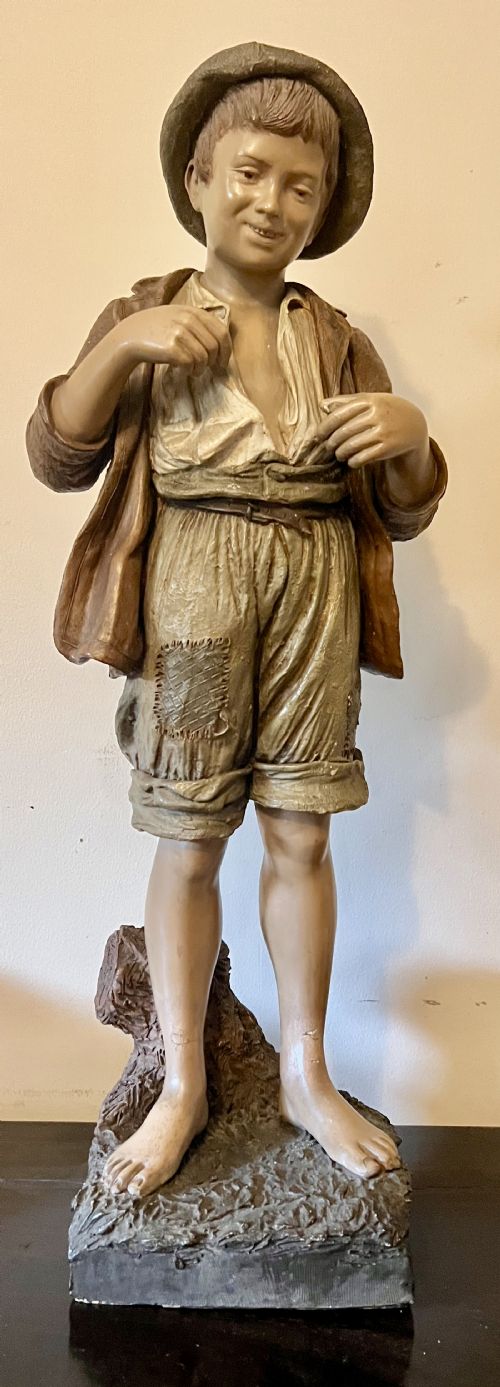

Brown Clay Sculpture
These brown clay sculpture pieces bring ancient forms and European portrait busts into a room, offering tactile earth and fired warmth.
Brown Clay Sculpture
When you search for brown clay sculpture, you encounter a diverse range of objects spanning multiple centuries and continents. The selection includes ancient vessels from pre-Columbian and Han Dynasty cultures alongside European portrait busts and figures from the eighteenth, nineteenth, and twentieth centuries.
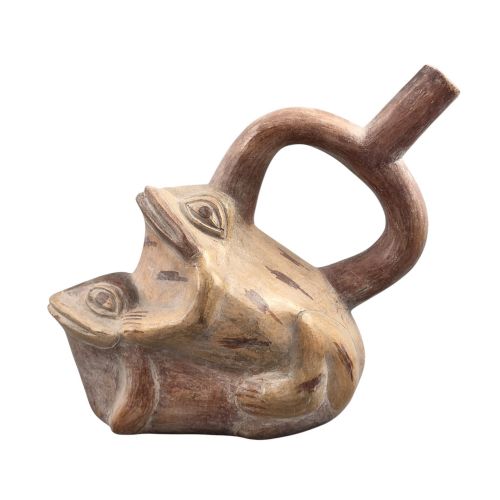
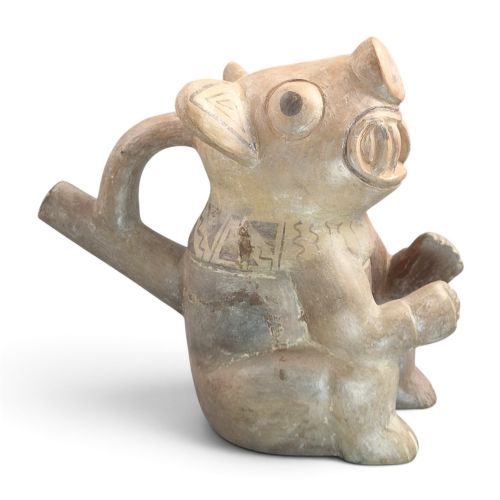
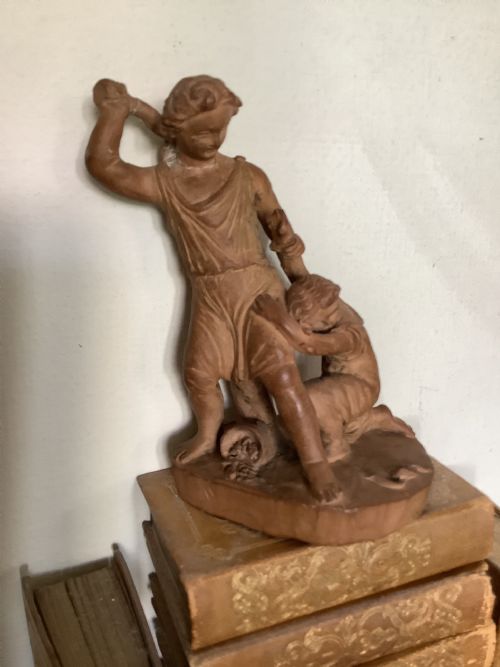
You are most likely to meet terracotta figures and vessels on this page, as fired earth dominates the listings. These objects take the form of zoomorphic vessels, tomb figures, seated characters, and classical representations of human subjects.
The origins stretch from ancient Ecuador and China to Britain, France, and Italy. This geographical breadth means a buyer can choose between early ritual artefacts and later academic sculptural works.
Materials and construction
The primary material across these pieces is terracotta and clay, shaped by hand or moulded before being fired in a kiln. Some examples incorporate additional elements such as wood, pigment, slip pigment, and paint to surface the clay.
Ancient items utilise simple earthen bodies finished with mineral pigments, while later European works demonstrate refined sculptural modelling in fired clay. The interaction between the porous brown body and applied surface colour defines the physical character of each piece.
Listings span multiple historical eras, combining pre-Columbian and Han Dynasty artefacts with Victorian, Art Nouveau, and 1930s European sculptures.
Assessing quality and execution
The distinction between ordinary and exceptional pieces lies in the crispness of the modelling and the preservation of the original surface. Works by named sculptors or established cultural traditions display greater anatomical precision and expressive depth.
Surface integrity also separates items within this category. Pieces retaining original slip pigment, paint, or patination without extensive modern restoration hold greater interest for a collection.
Richard Avrilli·Georges Morin·Joseph Gott
The Brown Clay Sculpture Glossary
- Terracotta
- A porous brown earthenware clay that has been fired at a relatively low temperature. It serves as the primary medium for both ancient vessels and European sculptural busts.
- Mingqi
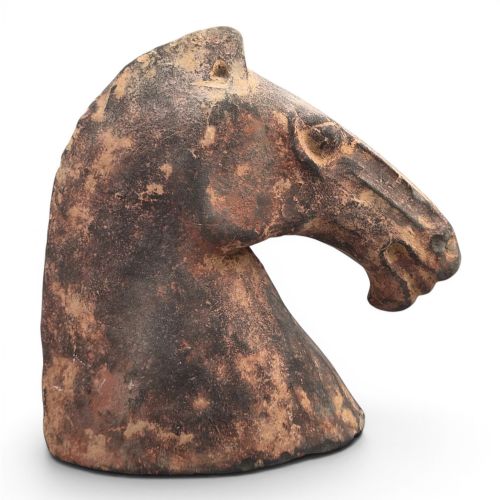
- Chinese burial goods placed in tombs to accompany the deceased, such as the painted terracotta horse head listed here. These objects provide insight into ancient funerary practices.
- Slip pigment
- A liquid clay mixture applied to the surface of a ceramic piece before firing to impart colour or decoration. It appears on early vessels to create contrasting patterns.
- Pre-Columbian
- Pertaining to the cultures of the Americas indigenous to the period before Christopher Columbus's arrival. This category includes ancient Ecuadorian figures and zoomorphic vessels.
Brown Clay Sculpture: Frequently Asked Questions
How old are these sculptures?
The age of these items varies enormously, stretching from ancient periods over two thousand years old up to twentieth-century European works. Pre-Columbian and Han Dynasty pieces date back millennia, whereas busts from French and British makers belong to the eighteenth, nineteenth, and twentieth centuries.
Checking the listed period helps determine whether a piece originates from an ancient culture or a later academic studio.
How were terracotta vessels used?
Many of the older ceramic pieces served as ritual or burial objects, including tomb figures designed for ancient Chinese dynasties and zoomorphic vessels from the Americas. Others functioned as decorative containers or sculptural representations.
Their exact function often depends on the culture and era of manufacture, shifting from ceremonial grave goods to purely decorative art.
How do I display terracotta at home?
Terracotta sculptures and vessels require stable placement away from high-traffic areas due to the fragile nature of fired clay. Placing them on sturdy shelving or tables allows the earthy brown tones and matte surfaces to complement various interior styles.
Keeping them clear of excessive moisture protects the porous clay body and any surviving pigments.
What styles are represented here?
The inventory encompasses distinct regional and chronological aesthetics, ranging from pre-Columbian and Khmer traditions to Chinese Han Dynasty forms. European items introduce Neoclassical, Art Nouveau, and Art Deco sensibilities through figurative busts and sculptural groups.
This mix allows collectors to focus either on ancient archaeological artefacts or nineteenth-century academic portraiture.