



Early 20th Century Bust
An early 20th century bust brings genuine sculptural presence to a room, captured in materials ranging from carved marble and patinated wood to cast bronze.
Early 20th Century Bust
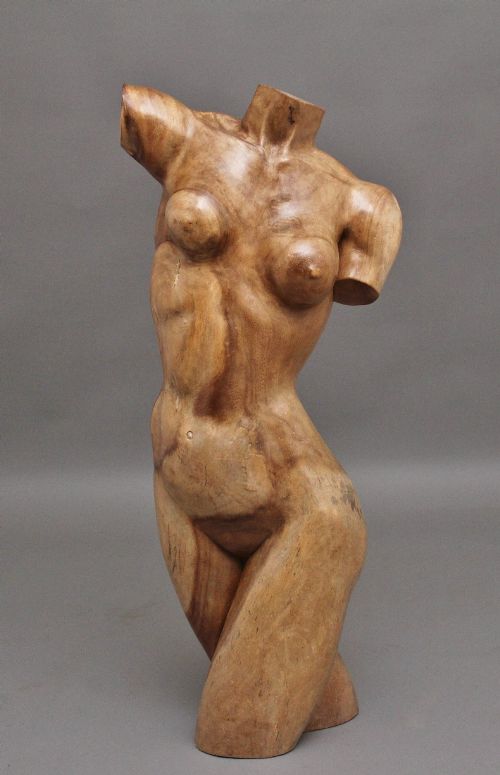
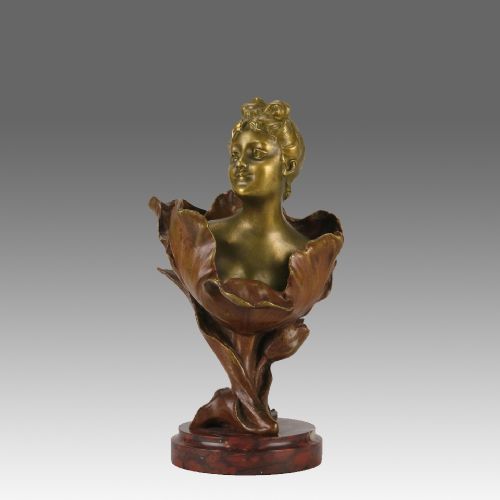
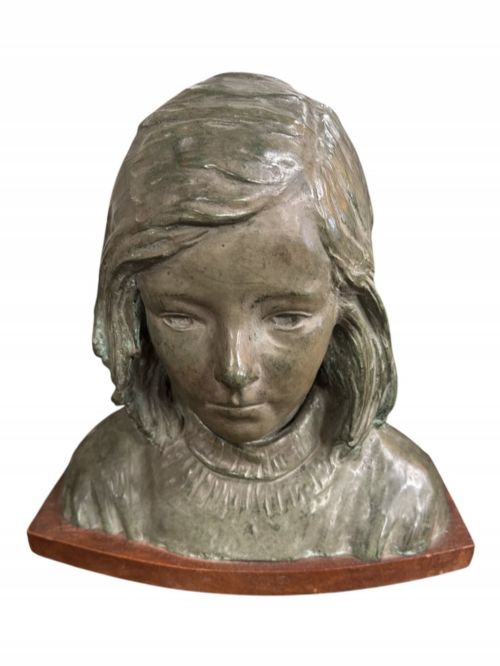
When you search for an early 20th century bust, you encounter a diverse group of sculptural works that span classical portraiture, tribal art, and modernist studies. The pieces available here encompass carved marble figures, terracotta portraits, and detailed bronze castings that reflect the varied artistic movements of the era.
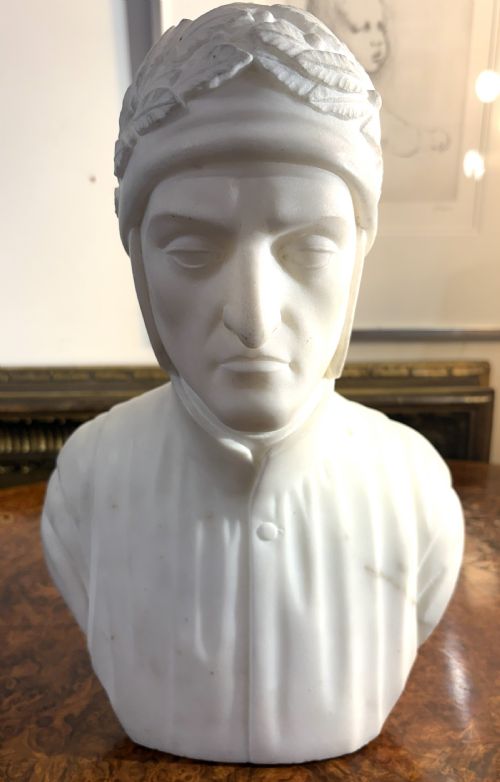
You are most likely to meet portraits of classical figures, literary icons like Dante, and graceful studies of young women rendered in marble or bronze. Alongside these traditional forms, the selection includes African tribal guardian heads, folk art milliner blocks, and anatomical écorché studies.
Materials and construction methods
Sculptors of this period worked extensively in traditional mediums such as marble, terracotta, and cast bronze, often applying patination to enhance the surface texture. Carved wood and patinated timber appear frequently, showing meticulous hand-chiselling by artisans.
Foundries utilised lost-wax casting for bronze works, ensuring intricate detail in the hair and facial expressions. Terracotta pieces were moulded and fired, sometimes retaining surface pigments or glazes that define their period character.
A wooden milliner's head shares shelf space with a classical Roman emperor, proving that millinery blocks had just as much attitude as Caesar.
Factors that distinguish finer pieces
The degree of anatomical precision and the sharpness of the chisel work separate ordinary decorative casts from superior sculptural studies. Finer marble and bronze examples display subtle transitions in expression and delicate treatment of drapery.
The reputation of the sculptor and the clarity of signatures or foundry stamps add tangible weight to a piece. Original patination and untouched surfaces preserved over the decades maintain the integrity intended by the maker.
Henri Godet·J Camus·Georges Morin·Gustave Van Vaerenbergh
The Early 20th Century Bust Glossary
- Écorché
- A figure drawn, painted, or sculpted showing the muscles of the body without skin. This anatomical study was essential for academic artists mastering human proportions.
- Patination
- The natural or artificial ageing of a surface that creates a distinct sheen or colouration on bronze and wood. It protects the material while revealing the history of the object.
- Terracotta
- Fired clay used extensively for sculptural busts due to its responsiveness to modelling. It ranges in colour from pale buff to deep reddish-brown depending on the clay composition.
- Reliquary
- A container or carved guardian figure used to hold sacred relics. African tribal examples from this era often served protective roles in ancestral shrines.
Early 20th Century Bust: Frequently Asked Questions
Where were these busts displayed originally?
These sculptures typically occupied libraries, studies, and grand hallways of period homes as symbols of classical learning and refined taste. Marble library busts sat easily among leather-bound volumes, while bronze and terracotta portraits adorned mantelpieces.
In public spaces or artist studios, anatomical and milliner heads served practical educational or trade functions rather than purely decorative ones.
How do I care for a marble bust?
Marble requires gentle dusting with a soft, dry cloth to prevent airborne particles from settling into the porous stone. Avoid chemical cleaners or excessive water, which can damage the polished finish.
Position the heavy stone piece on a stable surface away from direct heat sources to prevent thermal shock and minor cracking over time.
What is the difference between bronze and bronzed metal?
True bronze is a copper alloy cast entirely in metal through traditional foundry methods, offering considerable weight and durability. Bronzed metal typically denotes a base metal or iron substrate given a bronze-like metallic coating or electroplated finish.
Examining the underside or base often reveals the heavier weight and warmer tone characteristic of genuine bronze castings.