



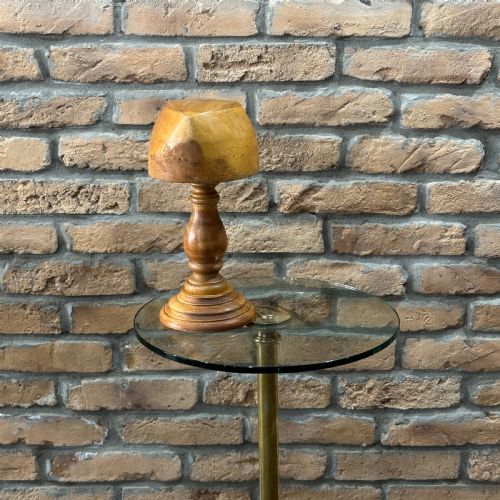


Wooden Hat Block
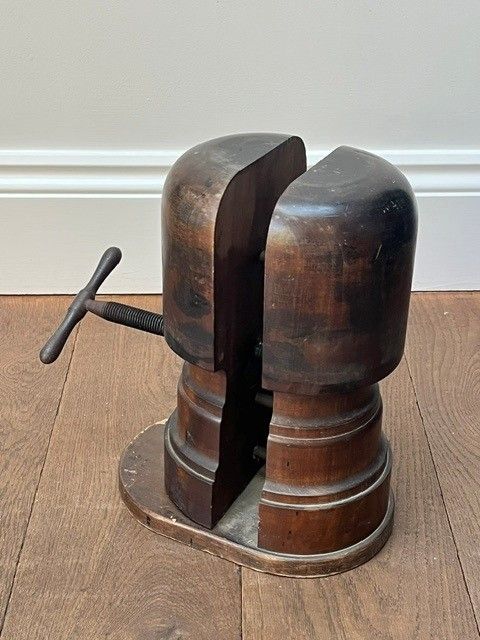
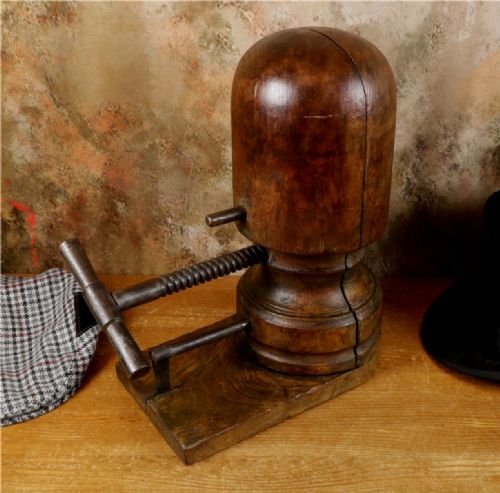
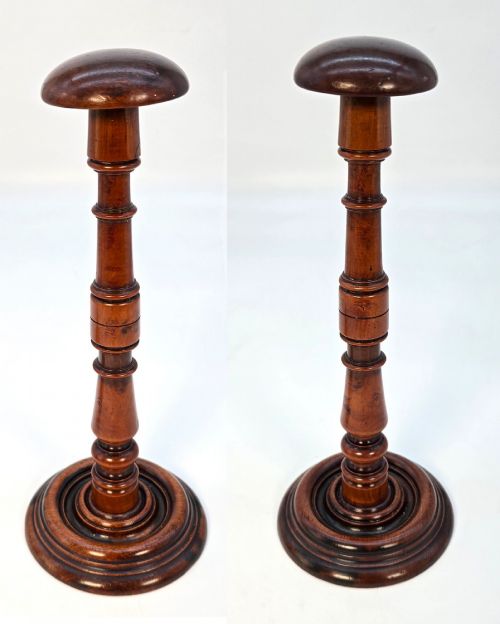
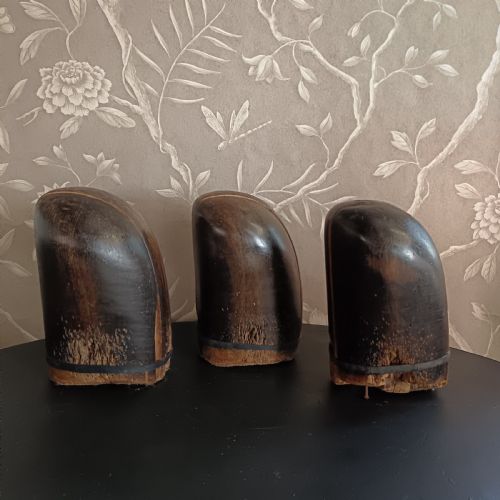
These wooden hat block pieces are functional millinery forms and display stands that bring sculptural utility and historic character to any interior.
Wooden Hat Block
A wooden hat block is a functional tool once used by milliners to shape, size, and store hats, with examples appearing across the Victorian, Georgian, and twentieth-century periods. These items range from simple geometric forms to carved wig stands and lay figure mannequins originating from English and French workshops.
The versions most commonly met on this page include nineteenth-century millinery blocks and display heads shaped from fruitwood, oak, beech, and yew. Buyers also encounter specialised forms such as hat stretchers and military bearskin cap blocks.
Beyond their original trade use, these objects function as sculptural art pieces and display stands. Their sculptural presence comes directly from the practical demands of hat-making rather than decorative intent.
What varies in quality
The condition of the wood surface dictates desirability, with patination earned through decades of workshop use adding depth. Pieces retaining their original mounting hardware and structural solidity command greater appreciation.
The inventory includes specialised forms such as hat stretchers, military bearskin cap blocks, and lay figure wig stands.
The Wooden Hat Block Glossary
- Hat block
- A solid wooden form carved to the exact shape required for manufacturing or storing a specific hat style. These items dictated the silhouette of period millinery.
- Hat stretcher
- An adjustable mechanical tool inserted into a hat band to increase its circumference or maintain its size. They combine turned wooden sections with metal hardware.
- Millinery form
- A block or head designed specifically for the creation and display of hats. These pieces reflect the prevailing fashions of their respective decades.
- Lay figure
- An articulated wooden mannequin used by artists and tailors to drape garments and study form. In millinery, these figures often double as display heads.
- Wig stand
- A carved wooden head or pedestal used to support and style wigs when not in worn. Early examples often feature pegged construction and turned bases.
Wooden Hat Block: Frequently Asked Questions
What is a wooden hat block?
A wooden hat block is a carved timber form used by hatters to shape and size millinery during production. They served as the structural foundation for constructing felt, straw, and fabric hats.
Today, these objects are collected and displayed as sculptural wooden sculptures and display stands. Their distinct forms reflect the hat styles of past centuries.
How were hat blocks used?
Hatters stretched damp hat bodies over the wooden forms, pinning the material in place while it dried and set. This process ensured the hat maintained its precise dimensions and profile.
Milliners also used them for repairing, reshaping, and storing finished hats. The repeated steaming and pinning left distinct surface marks on the timber.
How do I style a hat block at home?
Hat blocks sit well on bookshelves, sideboards, or desks where their sculptural form can be viewed from all angles. Many collectors display them singly or in small groupings to highlight variations in timber and shape.
They also function practically as stands for hats, scarves, and wigs. Their neutral wooden tones complement both modern and traditional interiors.
How do I tell an 18th-century block from a Victorian one?
Eighteenth-century examples, such as early yew wood wig stands, often display hand-turned elements and pegged joinery consistent with period cabinet-making. The timber selection and tool marks differ noticeably from later industrial production.
Victorian and later pieces frequently show standardised turning or heavier industrial hardware. Examining the grain, wear patterns, and construction methods helps distinguish the periods.