





Carved Wooden Bust
These carved wooden bust pieces bring direct human presence and material warmth to a room, spanning centuries of religious, folk and decorative art.
Carved Wooden Bust
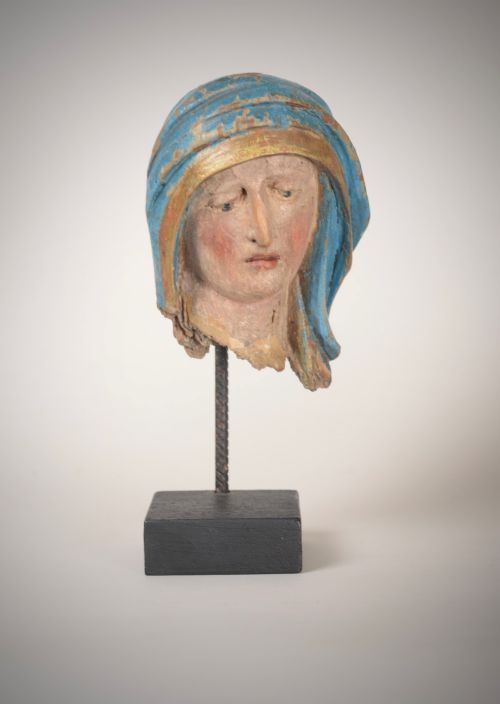
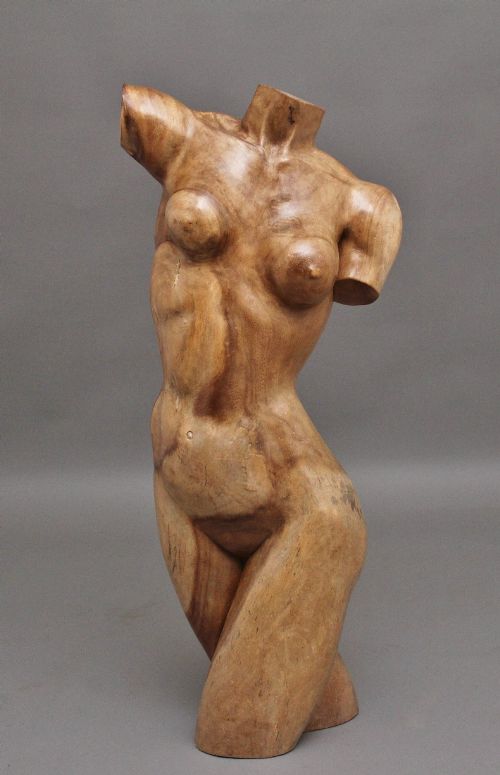
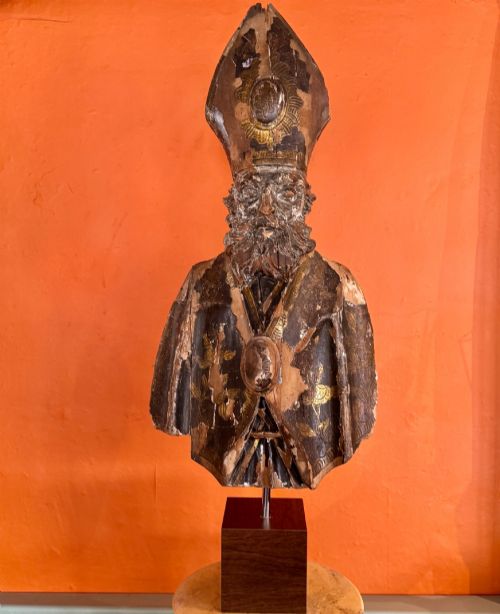
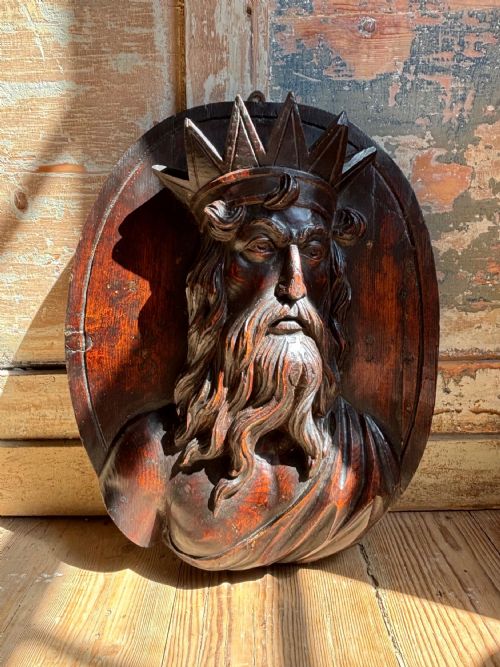
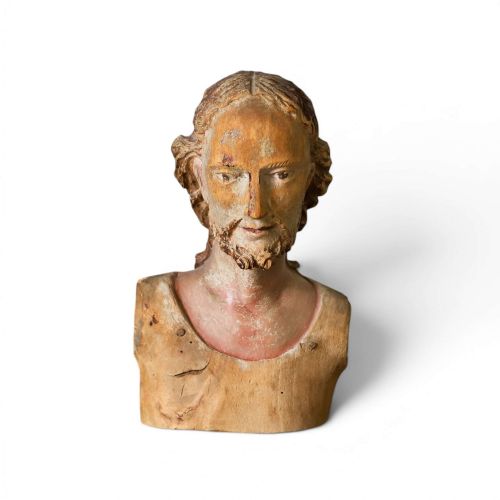
A carved wooden bust presents a three-dimensional human portrait or figurative study shaped entirely from timber, ranging from solemn religious figures to secular character studies. When exploring this selection, buyers frequently encounter works rooted in the eighteenth and nineteenth centuries, alongside regional folk pieces and ecclesiastical fragments.
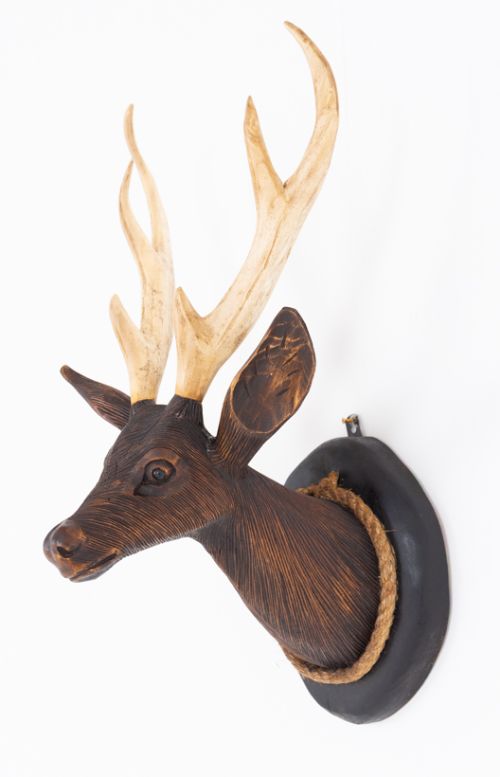
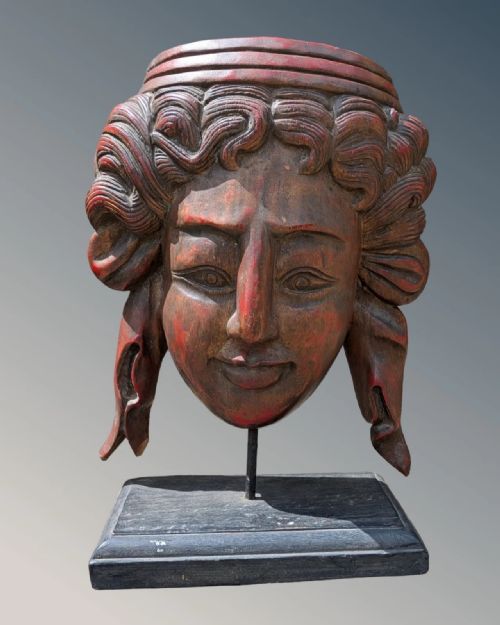
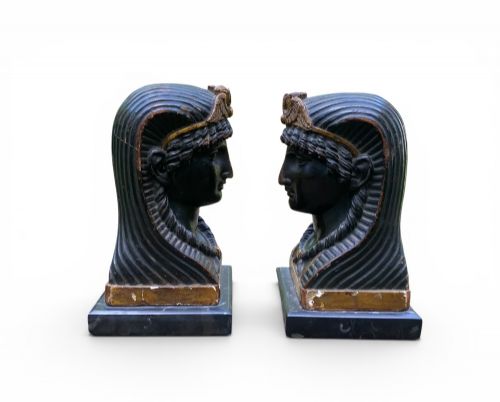
The material vocabulary spans native hardwoods like oak and walnut through to exotic woods and painted surfaces. Forms extend from life-size portrait sculptures and wall masks to ecclesiastical bookends and architectural brackets, reflecting diverse global workshops and European craft traditions.
Materials and carving techniques
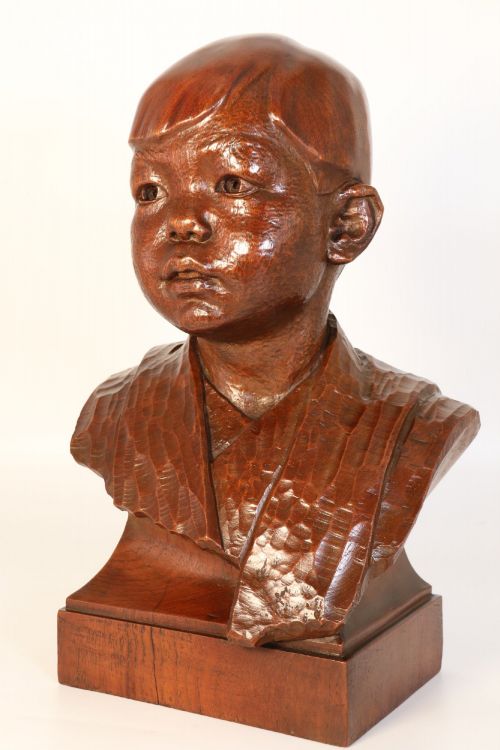
Carvers shaped these pieces primarily from dense timbers such as mahogany, walnut, oak, chestnut and fruitwood, selecting each log for grain pattern and tensile strength. Hand chisels, gouges and mallets dictated the surface rhythm, leaving tool marks that record the manual labour of the maker.
Many surfaces received secondary treatments including polychrome paint, gesso, gilding or stain to imitate richer materials or to impart realistic skin tones and textiles. These applied layers interact closely with the underlying wood grain, surviving through centuries of handling and environmental change.
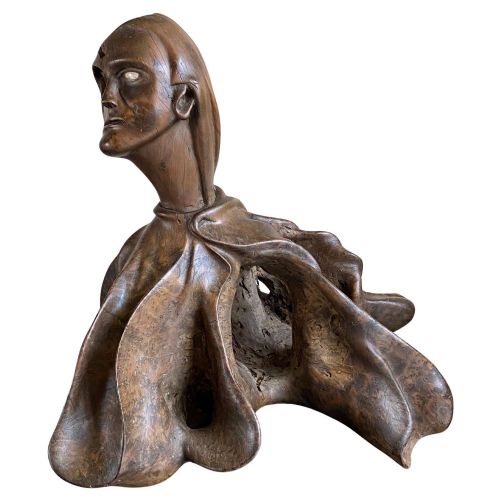
The listings feature works in mahogany, oak, walnut, chestnut, fruitwood and yew burr, alongside painted polychrome and giltwood surfaces.
Distinctions in quality and execution
The integrity of the timber also dictates the tier of the piece, with seasoned hardwoods holding fine detail without splitting. Original polychrome surfaces that retain their historic pigment without excessive overpaint command greater regard from collectors.
Thomas Hope·George Henry Paulin RBS·Boudewijn Tuerlinckx·Laszlo Hoenig
The Carved Wooden Bust Glossary
- Polychrome paint
- Pigment applied in multiple colours to a carved wooden surface to create lifelike or decorative effects. This finish often ages with a distinctive craquelure pattern.
- Gesso
- A plaster-like preparation mixture used as a smooth base for painting or gilding on wood. It provides a bright foundation that enhances surface detail.
- Caryatid
- A sculpted female figure serving as an architectural support in place of a column or pilaster. They appear frequently on pedestals and furniture mounts.
- Folk art
- Utilitarian or decorative objects created by self-taught or provincial makers outside academic traditions. These pieces prioritise expressive immediacy over strict classical proportion.
- Treen
- Small handmade wooden household objects and decorative items. The term encompasses carved masks and architectural fragments of domestic scale.
Carved Wooden Bust: Frequently Asked Questions
How are carved wooden busts cleaned?
Dusting gently with a dry, soft bristle brush preserves the historic patina and prevents particulate buildup in carved recesses. Water and chemical solvents should be avoided entirely, as moisture softens aged wood and risks lifting original polychrome paint or gesso layers.
For stubborn grime, professional conservation advice ensures the timber and surface treatments remain stable. Keeping pieces away from direct heat sources and strong sunlight prevents the wood from drying out and cracking over time.
Were these pieces originally displayed indoors?
Most carved wooden bust examples served as interior devotional objects, scholarly decor or architectural elements within homes, libraries and churches. Pieces intended for interior settings benefited from stable environmental conditions compared to exterior stone sculpture.
Ecclesiastical fragments and wall plaques often occupied specific niches or wood-panelled walls in historic buildings. Their domestic or institutional placement dictated both their scale and the level of intricate detail applied by the carver.
How can I tell the age of the wood?
Examining tool marks beneath the surface reveals whether the carver used hand-powered chisels or modern rotary equipment. Hand-wrought surfaces display slight irregularities that correspond to historical workshop practices from the eighteenth and nineteenth centuries.
Natural oxidation, shrinkage cracks along the grain, and the wear patterns on exposed wooden noses and brows indicate age. Comparing the stylistic dress and hair styling to established period motifs also helps narrow down the production date.