




African Art Figurine
These african art figurine pieces bring hand-carved tribal presence and rich cultural history straight to a room.
African Art Figurine
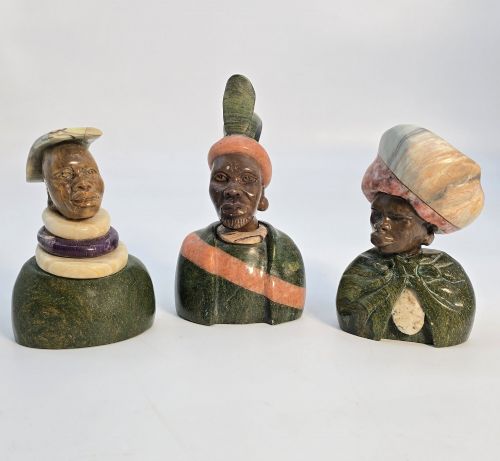
An african art figurine encompasses carved wooden sculptures, stone portrait busts, and cast bronze figures originating from various regions across the continent. When searching this phrase, a buyer encounters works spanning the late nineteenth century through the early twentieth century.
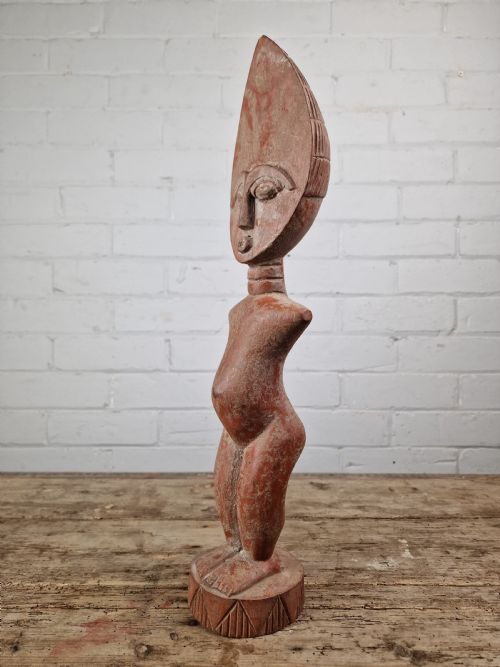
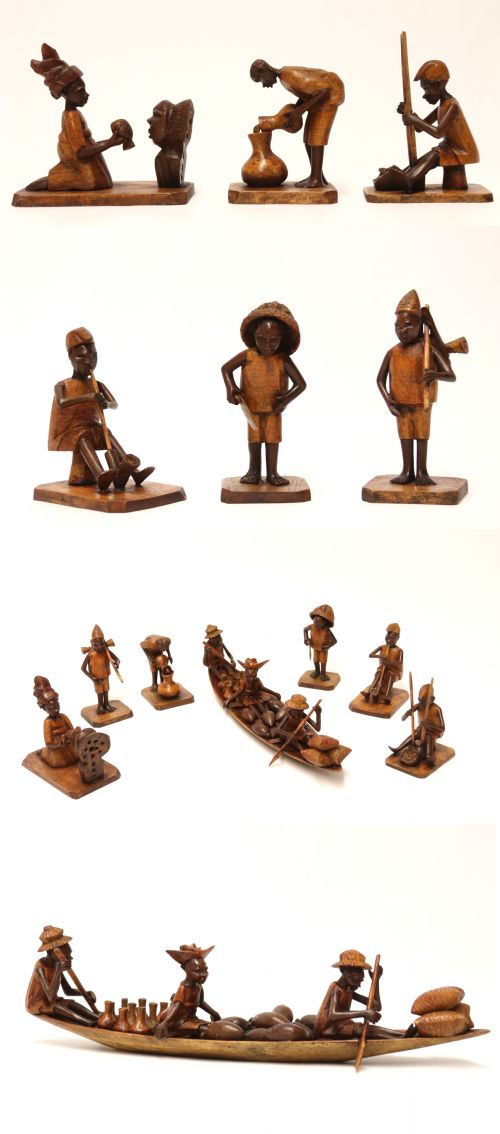
The most common forms on this page include Yoruba figures, fertility statues from Ghana and Gabon, and hardwood carvings depicting warriors and societal groups. These objects represent both ritual use and traditional craftsmanship passed down through generations.
Originating primarily from West and Central African traditions, these items range from singular memorial pieces to groups of carved wooden figures. Each piece carries distinct regional characteristics and tribal art styles.
Materials and construction
Bronze pieces such as the Janus figures were produced using traditional casting methods that allowed for intricate detailing. The combination of hand-carved wood and applied pigment defines the physical construction of these sculptures.
Assessing quality
Quality depends upon the skill of the carver and the crispness of the detail preserved in the wood or stone. Master carvers achieved expressive proportions and balanced stances that elevate certain figures above standard regional work.
The survival of original surface pigment and a stable, aged patina also distinguish superior examples from simpler carvings. Pieces attributed to specific workshops or known makers demonstrate higher levels of sculptural execution.
Abegunde of Ede
The African Art Figurine Glossary
- Janus figure
- A sculpture depicting two faces looking in opposite directions. This form often symbolises spiritual watchfulness in ritual objects.
- Ibeji
- A carved wooden figure commissioned among the Yoruba people to honour a deceased twin. These figures frequently display distinct coiffures and ritual adornments.
- Hardwood
- Dense timber selected by carvers for durability and fine grain detail. This material ensures the longevity of intricate surface carvings.
- Pigment
- Coloured substance applied to the surface of wood or stone sculptures. It serves both decorative and ritual purposes in tribal art.
- Soapstone
- A soft, talc-based stone easily shaped with hand tools. It appears in various carved portrait busts and small sculptures.
African Art Figurine: Frequently Asked Questions
What materials are these figures made from?
These pieces are primarily carved from dense native hardwoods and various stones including soapstone, serpentine, and verdite. Some examples also incorporate applied surface pigments.
Bronze was utilised for specific ritual castings such as Janus figures, reflecting diverse regional crafting traditions.
How do I identify a Yoruba figure?
Yoruba pieces often display characteristic coiffures, scarification marks, and balanced postures. Many take the form of Ibeji twin figures or seated male and female pairs.
Stylistic conventions and regional carving traits help distinguish Yoruba work from other African tribal art traditions.
Where do these sculptures originate?
The listings show origins across West and Central Africa, including Nigeria, Ghana, and Gabon. Specific tribal attributions include Yoruba, Fante, and Maasai representations.
Each region developed distinct sculptural forms suited to local cultural practices and beliefs.
How should I display a wooden sculpture?
Place wooden figures away from direct sunlight and dramatic humidity changes to protect the timber and any remaining pigment. Stable indoor environments prevent the wood from drying out or cracking over time.
Ensure sculptures rest on level surfaces without relying on fixings that might damage the antique material.