



African Carved Sculpture
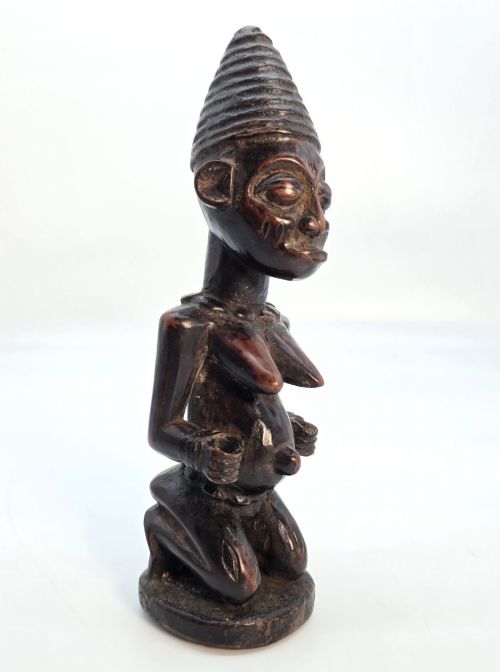
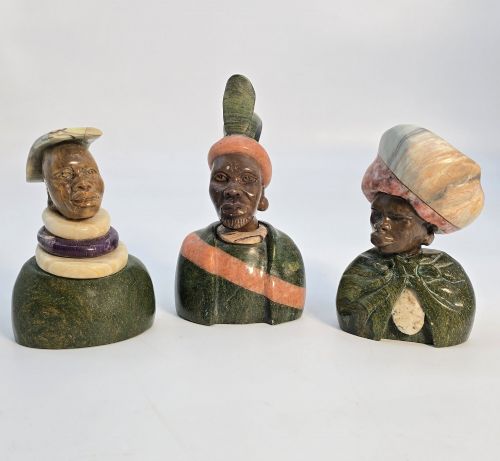
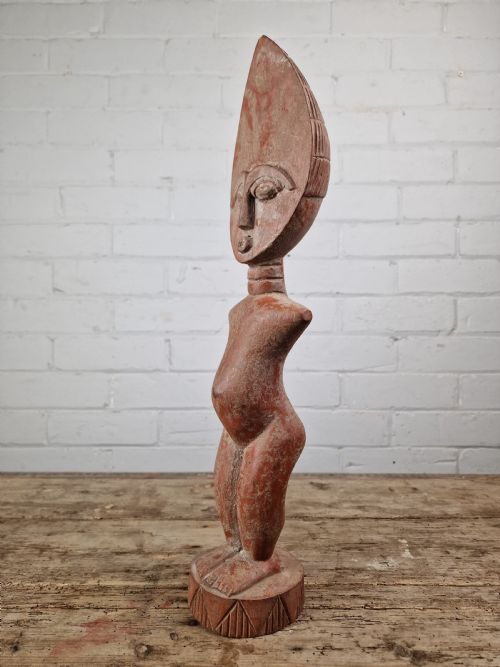
These pieces of african carved sculpture span figures, masks, and objects forged from dense hardwoods and bone across multiple historic periods.
African Carved Sculpture
An african carved sculpture encompasses figures, tribal masks, wall panels, and utilitarian objects originating from diverse regions and peoples across the continent. Buyers search for these pieces to acquire authentic examples of traditional craftsmanship, ritual items, and portraiture spanning the nineteenth and twentieth centuries.
The selection on this page centres on works from distinct cultural groups such as the Yoruba, Fang, Dogon, and Baule. Common forms include fertility figures, ceremonial headdresses, reliquary guardians, and figural headrests produced during the Edwardian era and earlier decades.
Objects range from small personal talismans and spoons to large architectural elements and ceremonial beds. Many items serve specific social or spiritual functions within their originating communities, reflecting ancestral reverence and tribal identity.
What varies in quality
Patina and evidence of authentic tribal use significantly influence the character of each object. Pieces that retain their original pigments and display a rich, handling-softened surface demonstrate superior cultural and aesthetic integrity.
Abegunde of Ede
The African Carved Sculpture Glossary
- Patina
- The surface sheen and colour developed through handling, age, and exposure to elements over decades. It serves as a key indicator of genuine historical use and age.
- Reliquary
- A container or guardian figure designed to hold ancestral remains or sacred objects. These pieces often take the form of stylised heads or figures placed atop boxes.
- Tribal Mask
- A ceremonial face or head covering worn during rituals, dances, and initiations. They often depict spirits, animals, or idealized human ancestors.
- Fertility Figure
- A carved representation of a human form associated with childbirth, prosperity, and lineage. These figures frequently originate from specific groups such as the Yoruba or Fante.
- Pigment
- Natural colouring matter applied to the surface of wood or bone carvings. Their presence highlights specific facial details or ritual markings.
African Carved Sculpture: Frequently Asked Questions
What materials are used in african carved sculpture?
Makers predominantly worked with dense wood and hardwood sourced locally. Secondary components such as bone, animal fibre, brass wire, and natural pigments frequently appear on masks and ceremonial figures.
These varied materials were combined to create functional objects, ritual ornaments, and figurative art suited to the specific cultural traditions of each region.
How can I tell the age of these pieces?
Dating relies on examining the depth of the patina, tool marks left by hand carving, and the natural oxidation of the wood over time. Historical styles associated with specific periods provide further context for estimation.
Wear patterns around handling points and the condition of applied pigments also help distinguish nineteenth-century works from later twentieth-century examples.
How were these sculptures used originally?
Objects fulfilled diverse roles ranging from ancestral veneration and fertility rites to dance ceremonies and daily utilities. Masks were worn during tribal celebrations, while figures often guarded reliquaries or marked important life events.
Items like headrests and ceremonial spoons combined practical utility with symbolic carving that reflected the status and beliefs of the owner.
How do I care for wooden tribal art?
Keep carved wood away from direct sunlight and fluctuating radiator heat to prevent the material from drying out and splitting. Maintain a stable indoor environment with moderate humidity levels.
Avoid applying modern polishes or cleaning agents to the surface, as these can damage the historic patina and accumulated pigments.