



African Tribal Head
An African tribal head carries deep cultural resonance, bringing powerful sculptural form and rich ritual history into a modern interior.
African Tribal Head
When you search for an african tribal head, you enter a diverse field of sculptural works created across the nineteenth and twentieth centuries. These objects range from reliquary guardian heads and portrait busts to functional headrests and ceremonial masks originating from various regions and peoples.
You are most likely to encounter carved wooden pieces and cast metal sculptures representing traditional figures, ancestral spirits, and regional leaders. The styles span from classic tribal art and folk traditions to specific cultural expressions associated with the Yoruba, Zulu, Luba, and Gabon peoples.
Many of these works function as embodiments of ancestral presence or markers of status within their originating societies. Collectors prize them for their striking visual power, complex iconography, and the tangible connection they offer to historical African art traditions.
How they were made
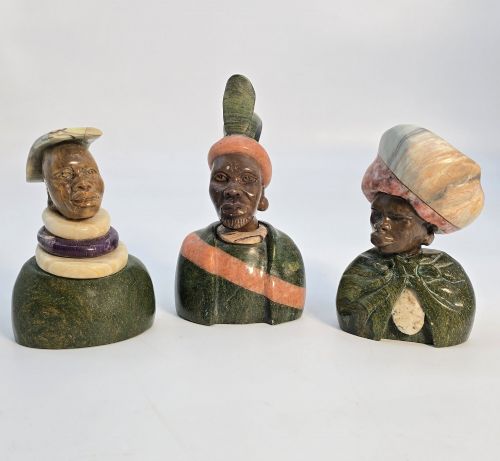
Artisans occasionally worked in soapstone and serpentine to carve solid portrait busts, exploiting the natural grain and density of the stone. Surfaces often show the deliberate marks of hand tools, alongside patinas developed through handling, ceremonial use, and natural ageing over the decades.
The documented object types include functional headrests, protective masks, and substantial bronze portrait busts.
What varies in quality
The depth of the patina and the integrity of the material further distinguish finer examples. Pieces that retain their original surface character, clear regional stylistic traits, and powerful sculptural presence command greater attention from collectors.
The African Tribal Head Glossary
- Patina
- The surface sheen and coloration developed through handling, use, and age. A rich patina often indicates considerable handling and historical depth.
- Lost-wax casting
- A metalworking method in which a molten metal is poured into a mould that has been created by means of a wax model. This technique produced detailed bronze and brass busts and figures.
- Reliquary guardian
- A carved figure or head placed above a container holding ancestral relics. These pieces protected the sacred contents and connected the living with their ancestors.
- Headrest
- A carved wooden support designed to elevate the head during sleep and protect elaborate hairstyles. These functional objects frequently feature figural supports and refined geometric carving.
- Janus figure
- A sculpture depicting two faces looking in opposite directions. This dual representation symbolizes vigilance and the ability to see both the spiritual and physical worlds.
African Tribal Head: Frequently Asked Questions
How old are these sculptures?
The pieces seen here primarily date from the late nineteenth century through the mid-twentieth century. Makers produced them using traditional methods during distinct colonial and pre-colonial periods across various African regions.
Specific dates are often determined by stylistic comparison, material analysis, and documented provenance. Understanding the historical context helps place each carving or casting within its specific era of creation.
How were headrests used?
African headrests served a dual purpose as both functional sleeping supports and personal status symbols. Owners used them to keep complex hairstyles elevated and unflattened during the night.
Carved from indigenous hardwoods, these portable items were often personal possessions that accompanied an individual throughout life. Their sculptural supports frequently incorporated human or animal figures imbued with symbolic meaning.
What materials are common?
Wood is the most frequent material, encompassing indigenous hardwoods, patinated wood, and standard hardwood varieties chosen for their grain and workability. Sculptors also utilised bronze and brass, particularly for cast figures, masks, and busts.
Less frequently, artisans carved stone such as soapstone and serpentine to create solid portrait busts. Each material required specialised tools and techniques passed down through generations.
How do I display them?
Displaying these powerful sculptural forms requires stable placement that highlights their three-dimensional qualities and surface patinas. Placing them on dedicated stands or open shelves allows adequate space to appreciate their proportions from multiple angles.
Protecting the pieces from direct sunlight and extreme humidity fluctuations preserves the integrity of the wood, metal, or stone surfaces. Proper lighting can accentuate the fine carving details and historical wear.