


Dark Timber Tribal Carving
Dark timber tribal carving brings together hand-carved ritual figures, utilitarian vessels and architectural fragments shaped from dense hardwoods across global traditions.
Dark Timber Tribal Carving
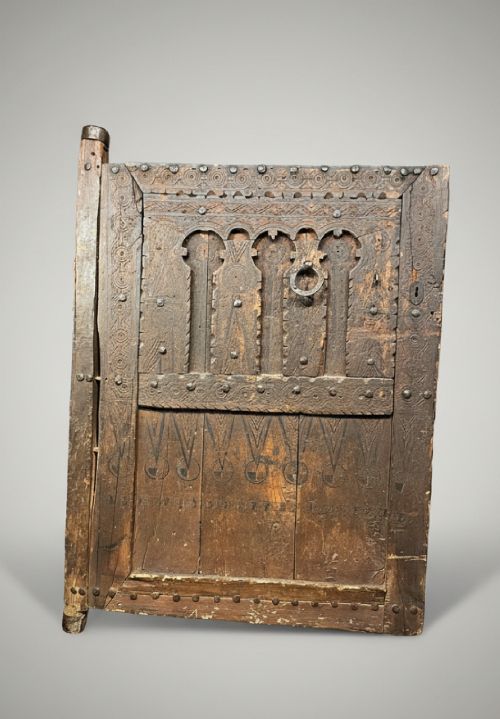
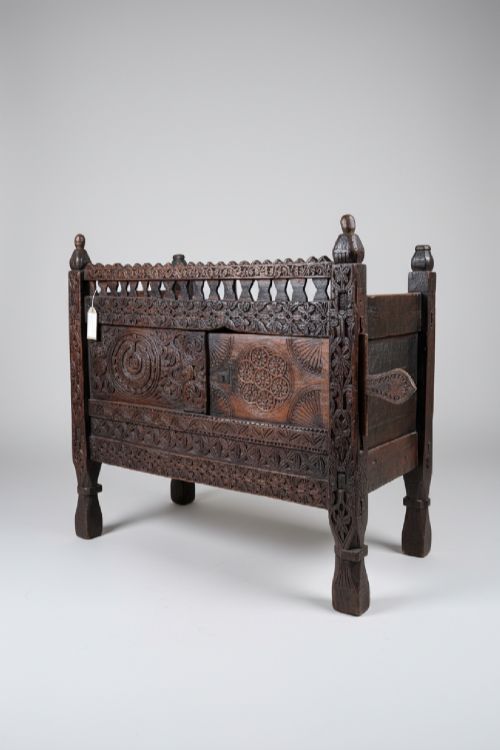
A dark timber tribal carving encompasses functional objects and ritual sculptures shaped by makers from African, Himalayan, Oceanian and Australasian traditions. When you search for dark timber tribal carving, you encounter utilitarian items such as dowry chests, ceremonial spoons and headrests alongside figurative sculptures, masks and architectural doors.
The pieces on this page span the nineteenth century into the mid-twentieth century, recording the material culture of groups including the Dogon, Yoruba, Ashanti, Baga and Edo peoples. These works range from small personal figures and clubs to large architectural elements like carved doors and dowry chests.
Form follows function within these traditions, where utilitarian objects receive the same sculptural attention as ritual figures. Stools, vessels and headrests display deeply carved surfaces that reflect the specific cultural context and practical use intended by the maker.
Materials and construction methods
Makers shaped these objects from dense hardwoods and native timbers, utilising hand tools to carve deep, deliberate lines into the resistant material. Pigments and iron additions frequently enhance the surface of masks and figures, while brass elements accent specific functional pieces.
The construction relies on traditional joinery for chests and tables, whereas figurative sculptures and ceremonial items emerge directly from a single block of timber. Surfaces show the tool marks of the carver, preserved beneath decades of handling and patination.
Listings feature items dated from the nineteenth century through the mid-twentieth century, utilising hardwoods, iron, brass and pigment.
Evaluating quality and authenticity
Quality rests upon the confidence of the carving, the integrity of the form, and the depth of the surface patina accumulated through use and age. Superior examples display a natural integration of decorative detail with the structural purpose of the object.
The distinction between standard utility items and masterworks lies in the expressive power of the carving and the preservation of original pigments or metal embellishments. Handling wear should appear organic and consistent with the documented period of origin.
The Dark Timber Tribal Carving Glossary
- Patina
- The surface sheen and coloration developed through handling, exposure and age over many decades. This quality indicates the length of time an object has been used within its culture.
- Hardwood
- Timber derived from broad-leaved trees, providing the dense, durable material necessary for detailed tribal carving. These heavy woods resist splitting and retain crisp tool marks.
- Dowry chest
- A large storage container made for household use and marriage customs, often heavily carved from timber. These pieces serve as both furniture and sculptural storage.
- Nulla throwing club
- A traditional wooden hunting and combat implement from Australia, shaped from solid timber for balance and impact. These dense clubs exhibit functional wear and carved grips.
- Headrest
- A carved wooden support designed to elevate the head during sleep, protecting elaborate hairstyles. These portable supports frequently feature figural or geometric column supports.
Dark Timber Tribal Carving: Frequently Asked Questions
How do I care for dark timber tribal carvings?
Keep wooden carvings away from direct sunlight and fluctuating heat sources to prevent the timber from drying out or splitting. Dust gently with a dry cloth and avoid applying modern polishes or oils to the historic surfaces.
Maintaining a stable indoor humidity level preserves the original patina and prevents stress on the dense hardwoods. Gentle handling ensures that accumulated surface wear remains undisturbed.
Where were these tribal carvings made?
The pieces originate from diverse global regions, including West and Central Africa, the Himalayas, Papua New Guinea, Indonesia and Australia. Each geographic area utilises specific native timbers and distinct stylistic conventions.
Regional traditions dictate the form of masks, figures, doors and vessels, linking the physical material directly to the cultural practices of the makers.
How can I tell the age of a carved wooden object?
Dating relies on examining the tool marks, the composition of the timber, and the nature of the surface patina. Nineteenth-century and early twentieth-century pieces display wear consistent with active ceremonial or domestic use.
Comparing stylistic traits with documented examples from specific groups helps narrow the period of creation. Natural oxidation of the exposed wood provides further clues to longevity.
What is the difference between ritual and utilitarian pieces?
Ritual pieces include figures, masks and ancestor shrines created for specific ceremonies, spiritual practices or community rites. Utilitarian items comprise everyday functional objects such as headrests, spoons, bowls, doors and seating.
Despite their practical function, utilitarian pieces in these traditions frequently receive the same sculptural ornamentation as sacred objects, blurring the line between art and utility.