


Ebonised Timber Carving
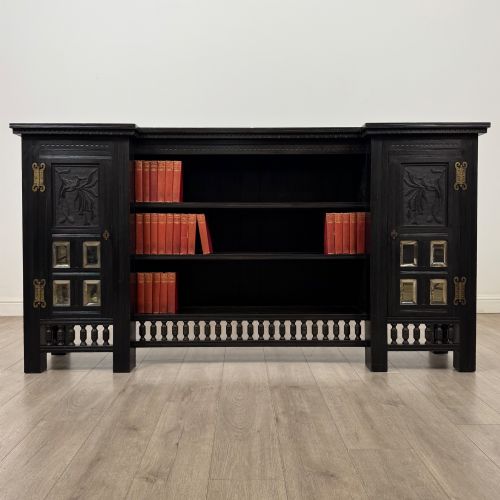
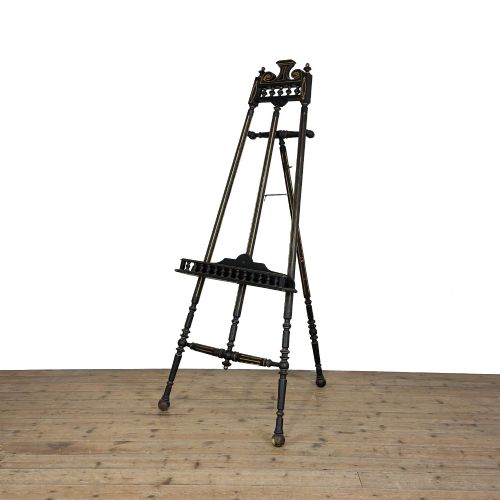
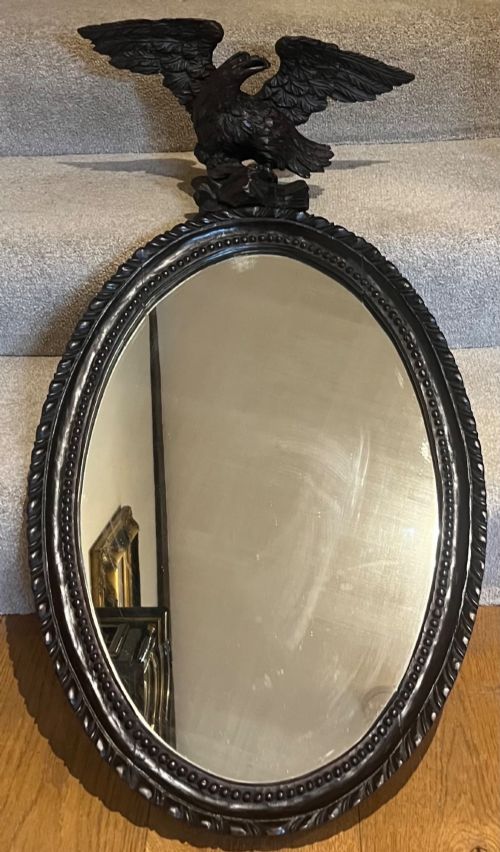
These ebonised timber carvings bring deep dark surfaces and rich sculptural form into a room.
Ebonised Timber Carving
When you search for ebonised timber carving, you encounter dark finished wood objects shaped with detailed relief work and structural ornament. The examples here span from the Victorian era and the nineteenth century through to the early twentieth century.
The selection includes furnishings and decorative items such as floor standing easels, display cabinets, wall mirrors, and low coffee tables. You also find specialised forms like figural stands and hall benches reflecting aesthetic movement and regional influences.
Victorian pieces dominate the selection alongside Chinese export, Taisho period, and French provincial examples. These items combine functional utility with distinct dark wood finishes that create a strong visual presence.
How they were made
The makers utilised dense hardwoods, walnut, and oak as the base materials for these carved objects. These timbers provided the stable foundation required for intricate chiselling and prolonged structural use.
Surfaces received specialised dark finishes to imitate costly ebony, creating the characteristic ebonised appearance seen across the Victorian and nineteenth century pieces. Additional elements incorporate brass, iron, and painted details to accent the carved wooden forms.
An unusual musical table waits quietly in the collection, ready to play a tune through its carved wooden housing.
What varies in quality
The distinction between standard items and superior examples lies in the crispness and depth of the chisel work across the timber. Finer pieces display deliberate undercut details and well-balanced proportions that maintain their structural integrity.
Material selection and the execution of the ebonised finish further define the tier of a piece. Uniformity in the dark surface treatment and the integration of secondary metals or fitted joints demonstrate greater workshop skill.
Trussant And Cie
The Ebonised Timber Carving Glossary
- Ebonised
- Wood treated with stain, dye, or paint to simulate the dark appearance of genuine ebony. This finish became particularly popular during the nineteenth century to achieve a formal aesthetic.
- Aesthetic Movement
- A late nineteenth century design style prioritizing visual beauty over narrative subject matter. Pieces from this movement often feature ebonised surfaces and clean structural lines.
- Shodana
- A traditional Japanese display cabinet featuring asymmetrical shelving and compartments. These objects often utilise carved woodwork and dark finishes suited for exhibiting small decorative items.
- Black Forest
- A regional style of wood carving originating from central Europe known for naturalistic animal and foliage motifs. These items frequently incorporate musical mechanisms or functional table designs.
Ebonised Timber Carving: Frequently Asked Questions
What is ebonised timber?
Ebonised timber is wood treated with a dark finish to replicate the dense, black look of ebony. Makers applied this technique to various hardwoods to achieve a high-contrast appearance.
This treatment was widely used in Victorian furnishings and decorative objects to lend an air of refinement without relying on scarce exotic lumber.
How do I clean ebonised furniture?
Dust ebonised surfaces regularly with a soft, dry cloth to prevent buildup in the carved recesses. Avoid harsh chemical cleaners that can strip the dark finish.
Applying a minimal amount of appropriate wax can help protect the wood and maintain the subtle sheen of the dark surface over time.
Where were these pieces made?
The pieces originate from diverse regions including Britain, France, and East Asia. Each area brought distinct cabinet-making traditions to the treatment of dark woods.
Victorian workshops and Japanese Taisho period makers utilised local hardwoods, applying specialised carving techniques suited to their respective cultural styles.
How do I date an ebonised carving?
Dating relies on examining the construction methods, joinery, and stylistic markers characteristic of specific periods like the nineteenth century. Tool marks and hardware details provide further clues.
Comparing the decorative motifs, such as aesthetic movement patterns or regional carving styles, helps narrow down the era of production.