


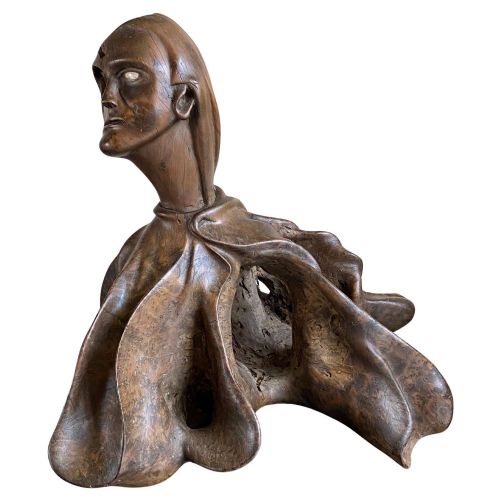


Antique Wooden Sculpture Head
An antique wooden sculpture head brings centuries of expressive carving, religious devotion and animal study straight into a room.
Antique Wooden Sculpture Head
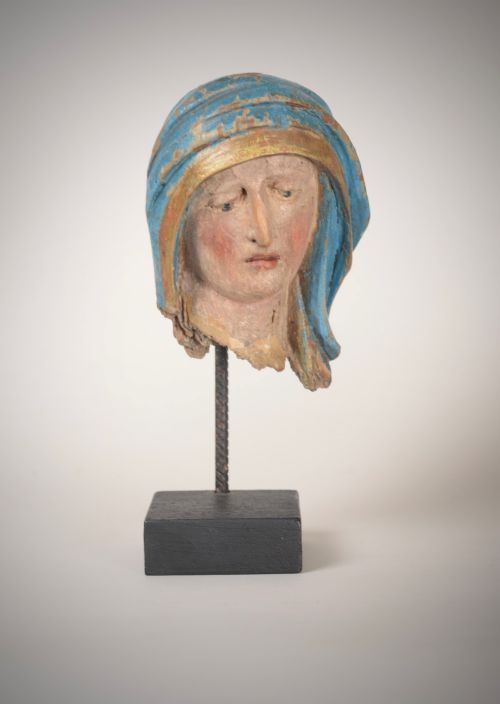
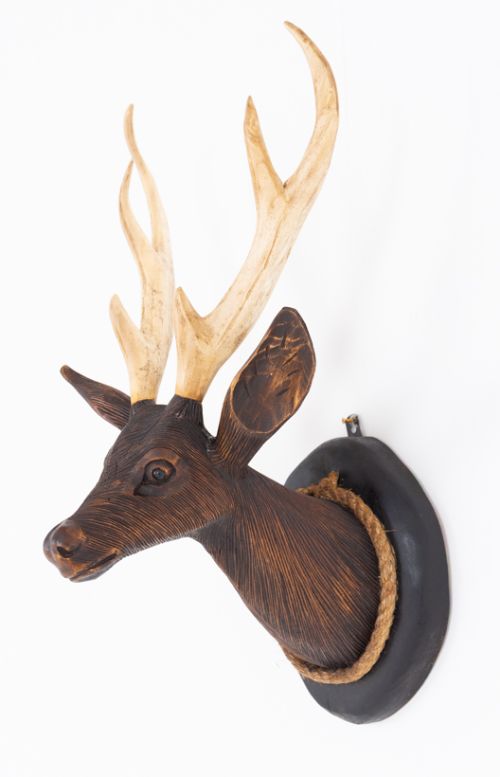
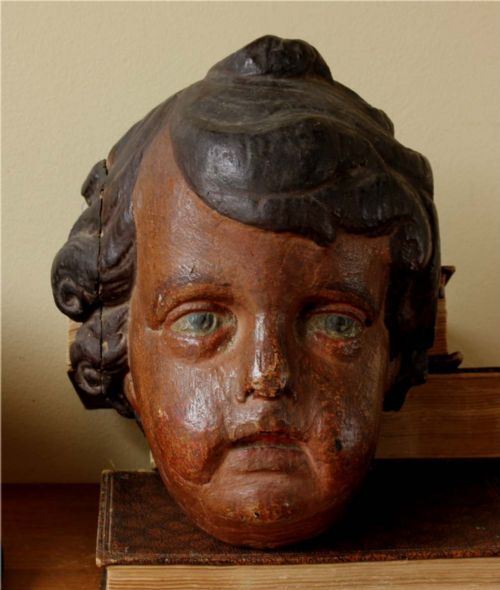
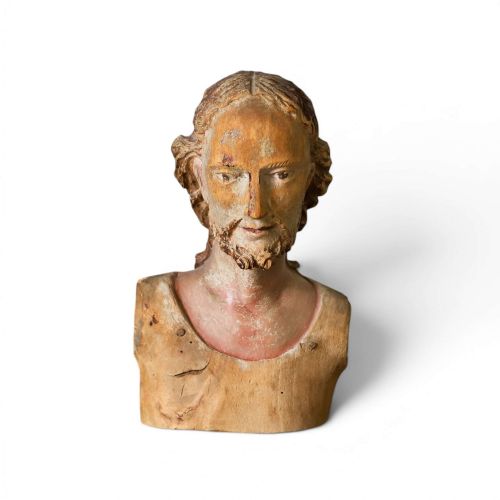
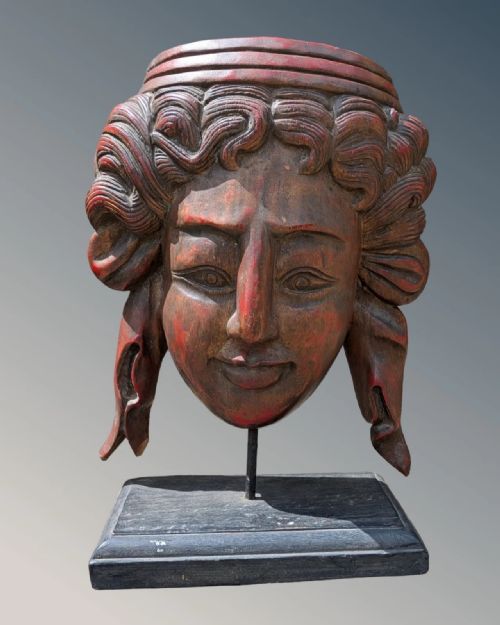
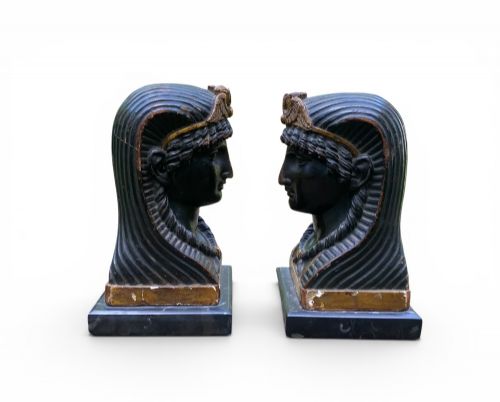
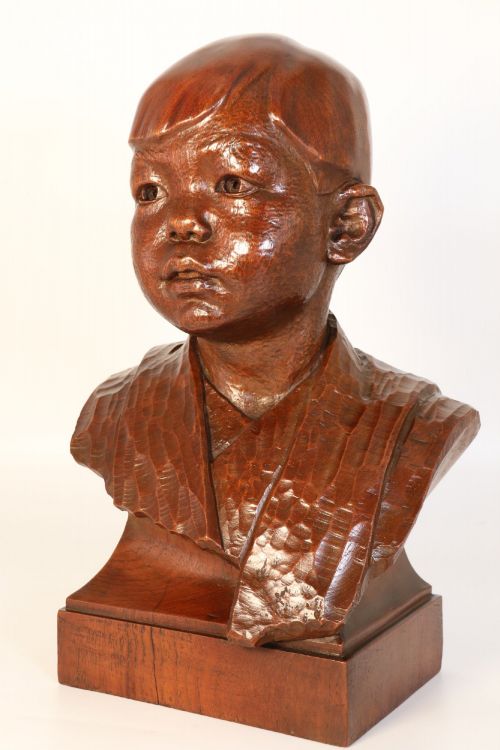
When you search for an antique wooden sculpture head, you encounter everything from solemn religious fragments to playful animal studies spanning several centuries. The most common examples on this page are carved putti, saints, animal masks and portrait busts created across Europe, Asia and Africa.
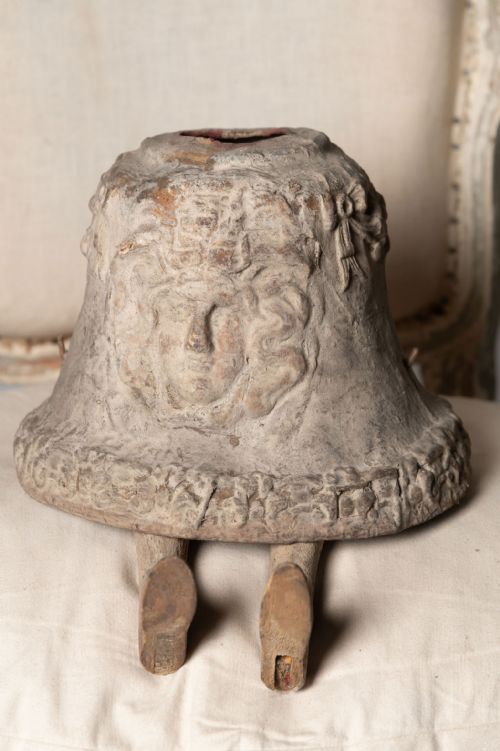
These works range from small architectural corbels and theatrical props to life-size walnut portrait busts and folk art objects. Many pieces originate from church settings, traditional workshops or domestic displays, reflecting distinct regional sculpting traditions.
Religious figures, including carved cherubs and saints, often survive as fragments from larger altarpieces or church decorations. Animal carvings span Black Forest hunting subjects, architectural lions and traditional tribal masks.
Materials and construction methods
Many historical surfaces received a layer of gesso before being painted in polychrome pigments or finished with gold leaf. This combination of carved wood, paint and gilding provided durability and visual depth, particularly on religious statues and theatrical items.
Materials span walnut, oak, olive wood, pear wood, gesso and polychrome paint across centuries of sculpting.
Assessing sculptural quality and execution
The distinction between ordinary workshop output and superior artistry lies entirely in the confidence of the chisel work and the psychological depth of the carving. Master carvers captured bone structure, expression and movement with economy and precision, whereas lesser pieces rely on rigid symmetry and flat planes.
Surface preservation also dictates standing, as original polychrome paint, untouched gesso layers and honest patination carry more historical integrity than heavy modern restoration. The harmony between the timber's natural grain and the sculptor's final design separates decorative items from significant works of art.
George Henry Paulin·Hermann Steiner·Boudewijn Tuerlinckx
The Antique Wooden Sculpture Head Glossary
- Polychrome
- Painted in several colours, frequently found on religious figures, theatrical props and traditional masks to heighten realism.
- Gesso
- A plaster-like preparation mixture used as a smooth base for paint or gilding on wooden surfaces.
- Corbel
- A structural piece of stone or wood projecting from a wall, often carved into a human or animal head in historical architecture.
- Putto
- A figure of a small chubby male child, often winged, common in Baroque religious art and architectural decoration.
- Spelter
- A zinc alloy frequently used as a cheaper substitute for bronze or carved wood in decorative busts and figures.
Antique Wooden Sculpture Head: Frequently Asked Questions
How do I identify religious wood heads?
Religious wood heads usually originate from church altarpieces, choir stalls or processional figures. They often display traces of gesso, polychrome paint or gilding applied to enhance sacred imagery.
Subjects frequently include cherubs, putti, saints and biblical figures such as Christ or John the Baptist. Their formal posture and intense expressions reflect the devotional purpose of the original commission.
What is Black Forest carving?
Black Forest carving refers to ornate wooden sculptures produced in the Swiss and German mountain regions during the nineteenth and early twentieth centuries. These pieces typically depict animals, hunting motifs and domestic objects.
Common forms include stags, dogs, foxes and bears integrated into inkwells, tobacco boxes and wall plaques. The style is characterised by deeply undercut foliage and realistic animal anatomy.
How should I clean antique wood sculpture?
Antique wooden sculpture requires minimal intervention to preserve its historic surface and natural patina. Dust the piece gently with a soft, dry brush rather than applying liquid cleaners or polishes.
Moisture and modern chemical products can damage vulnerable gesso, historic paint layers and aged timber. Consult a professional conservator if the sculpture requires deeper cleaning or stabilization.