


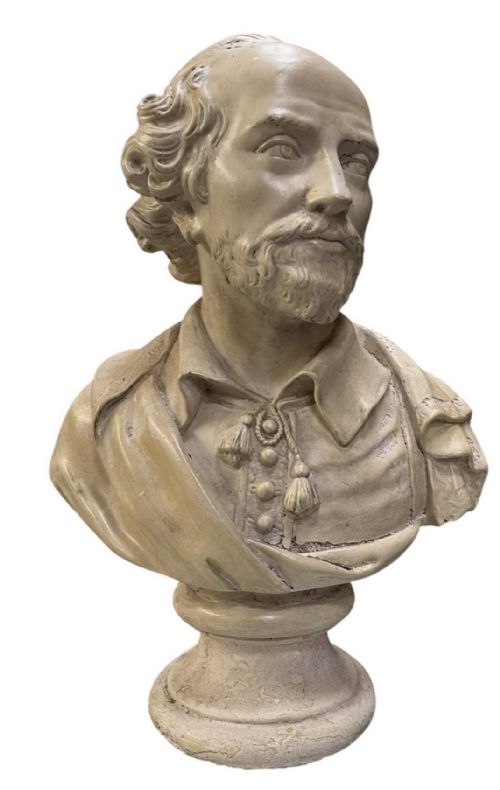
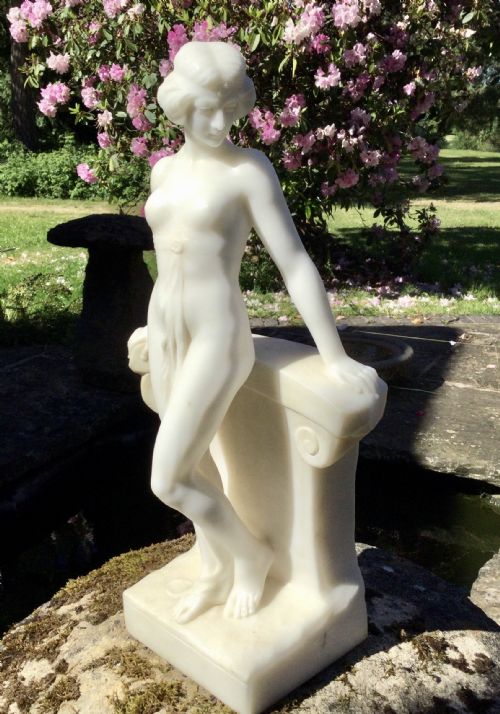
White Stone Statue
A white stone statue brings the gravitas of classical sculpture into a room, offering enduring portraiture and mythological figures carved from marble, alabaster, and cast stone.
White Stone Statue
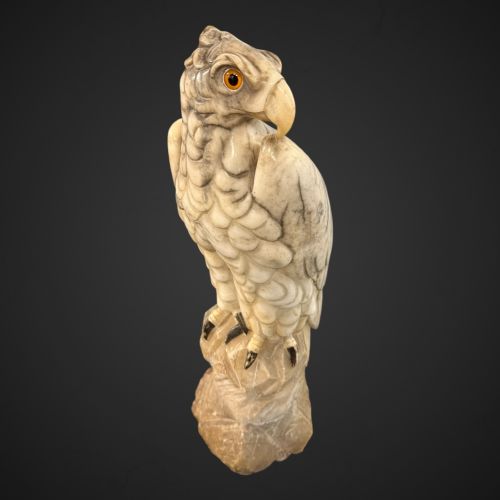
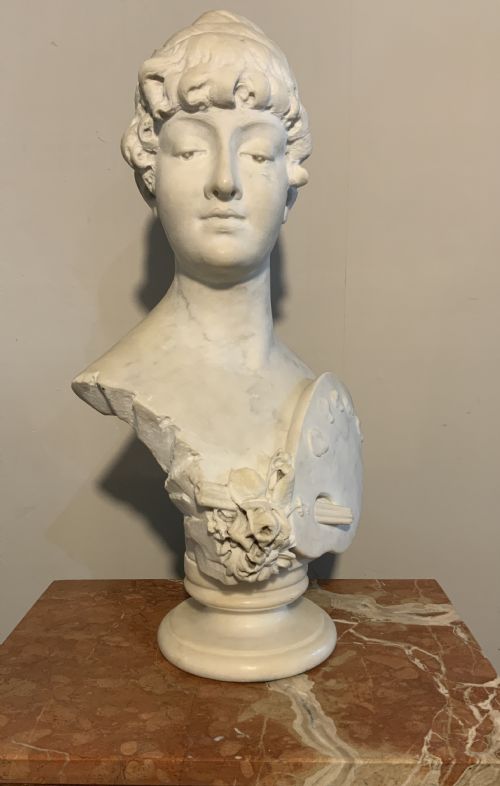
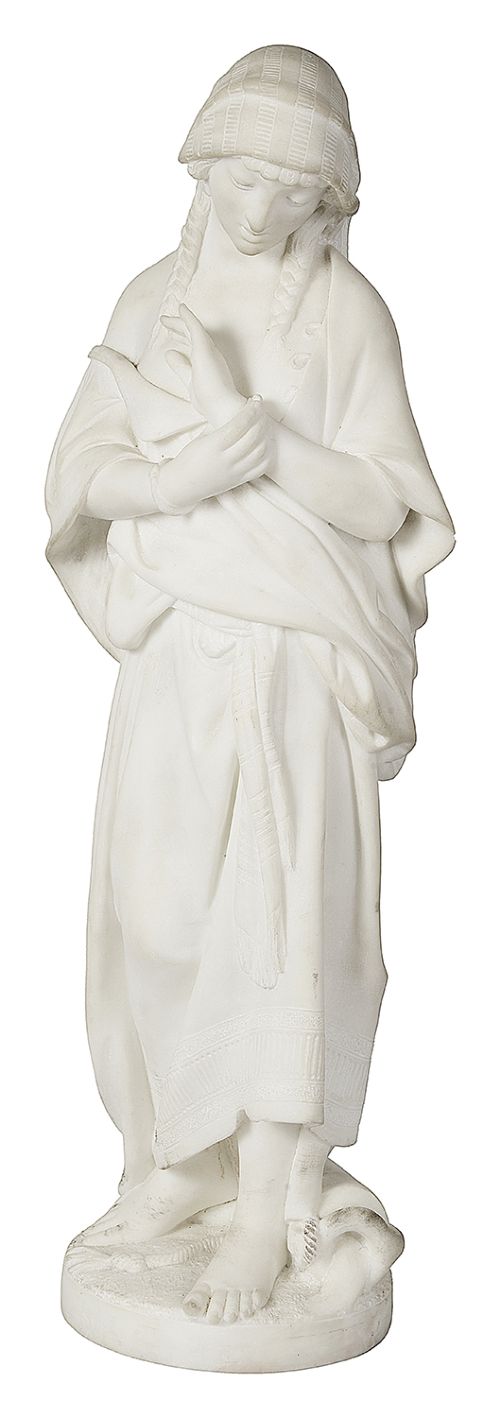
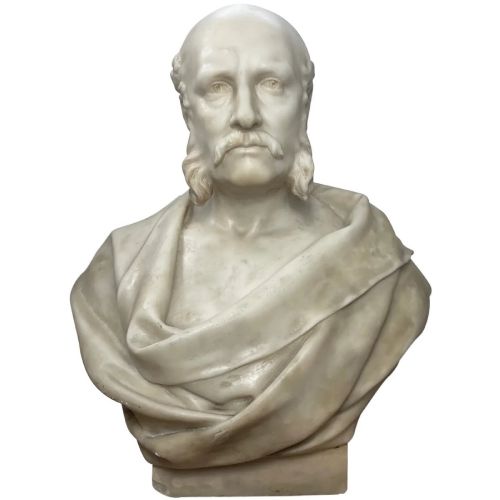
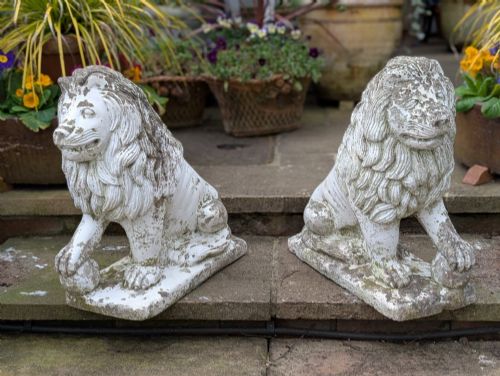
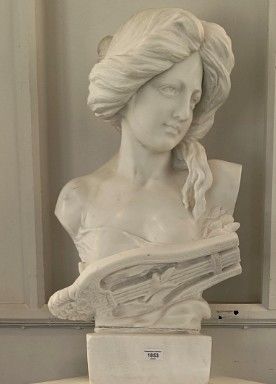
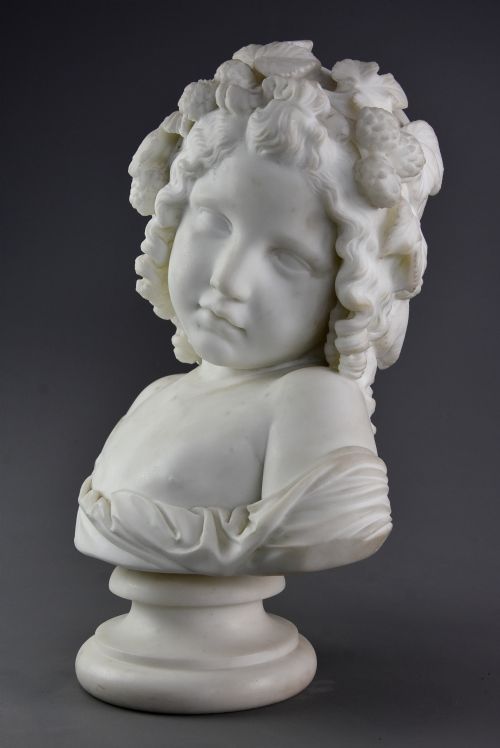
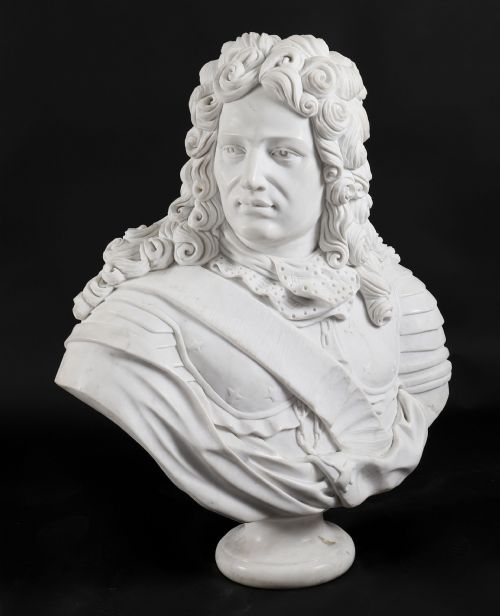
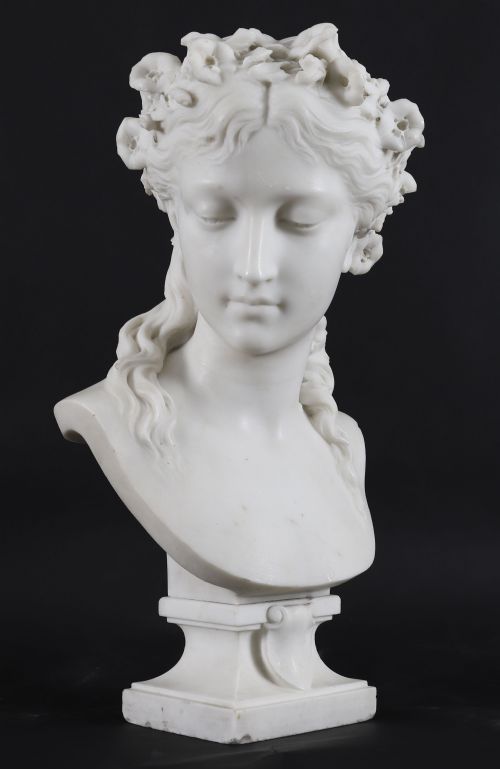
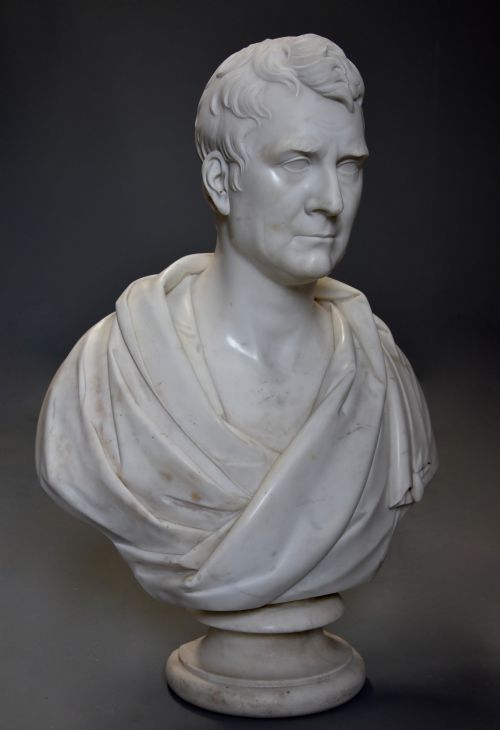
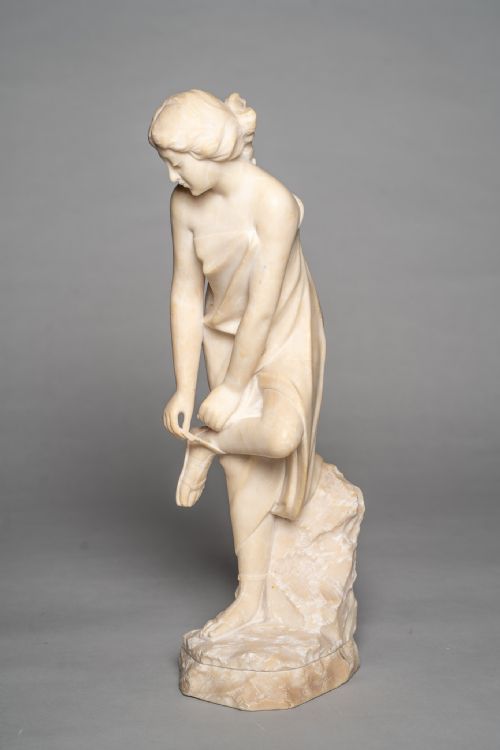
A white stone statue encompasses freestanding portrait busts, mythological figures, garden statues, and library figures spanning from the early 19th century through the mid 20th century. Buyers encounter neoclassical depictions of muses, portraits of noblemen and statesmen, and classical animal forms such as lions and eagles.
The objects originate predominantly from Italian and French workshops, utilising materials sourced from quarries like Carrara alongside refined alabaster. Portrait busts of historical figures and classical deities dominate the available selection, reflecting 19th-century revivalist tastes in interior decoration.
Materials and Techniques
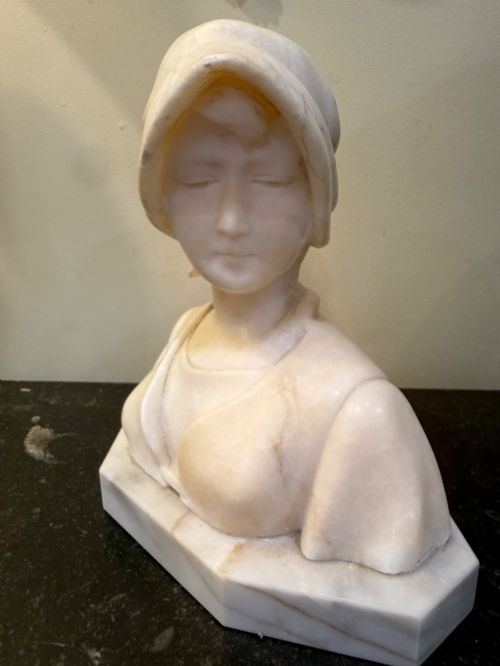
Sculptors utilised fine-grained Carrara marble and translucent alabaster, shaping the stone through meticulous hand carving and polishing. Details such as drapery, hair, and armour emerge from the raw material through chiselling and abrasive smoothing.
Makers also employed cast stone and plaster for specific sculptural forms, capturing intricate details of classical subjects. Signed pieces demonstrate the direct involvement of named artists who finished the carved surfaces by hand.
White Stone Statue Retail Price Guide 2026
Typical asking prices for white stone statue among the pieces listed under this phrase on Sellingantiques today, from the lower quarter to the upper quarter. They describe what is for sale here now, not the wider market.
Sculptors occasionally immortalised literary giants and Roman emperors alongside household pets and mythical beasts in solid stone.
Sculptural Execution
The presence of a recorded signature from a recognised sculptor elevates an individual piece. The integration of veining within Carrara marble enhances the visual weight of the sculpture.
Barranti Florence·Houdon·Eugene Aizelin·J Francis·Raffaelo Monti·Auguste Henri Carli·Antonio Canova·R Mattei·Carrier Belleuse·Fritz Kochendorfer·John Wenlock Rollins
The White Stone Statue Glossary
- Carrara marble
- A type of white or blue-grey marble quarried in the city of Carrara in Tuscany. It has been utilised for neoclassical sculpture since antiquity.
- Alabaster
- A fine-grained, translucent stone that is softer than marble, frequently utilised for 19th-century portrait busts and figurative sculptures.
- Neoclassical
- A style of art and architecture inspired by the classical arts of ancient Greece and Rome, prevalent in the 18th and 19th centuries.
- Bust
- A painted, sculpted, or cast representation of a person's upper chest, neck, and head.
- Cast stone
- A refined architectural concrete building product manufactured to imitate natural cut stone.
White Stone Statue: Frequently Asked Questions
How do I clean a marble bust?
Dust the surface regularly with a soft, dry cloth to prevent the accumulation of particles in the carved crevices of the stone.
Avoid using chemical cleaners or excessive water, which can penetrate porous alabaster or discolour older marble finishes.
Where should I place a heavy stone statue?
Support heavy marble and stone sculptures with sturdy furniture such as a dedicated pedestal, column, or low sideboard.
Ensure the weight is distributed evenly across stable flooring to prevent tipping or structural damage to domestic surfaces.
Are these statues intended for outdoor display?
While garden statues and cast stone pieces endure exterior environments, delicate alabaster and fine Carrara marble sculptures belong indoors.
Exposure to frost, moisture, and direct weathering damages the polished surface and fine details of indoor portrait busts.
How can I identify the period of a statue?
Examine the style of clothing, hair, and the treatment of the base, which often reflect 19th-century revival movements.
Signatures, foundry marks, and the specific type of veining in the marble also provide clues to the approximate date of creation.