






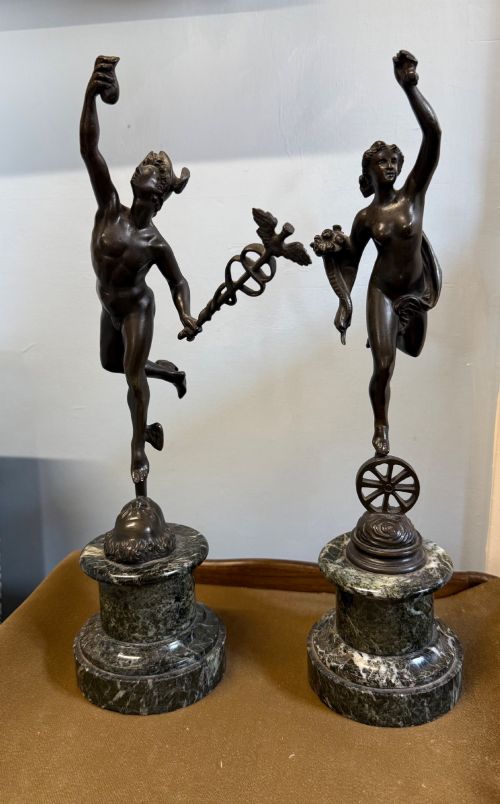

Grand Tour Marble Statue
A grand tour marble statue brings the classical heritage of Europe directly into your interior space through finely carved stone.
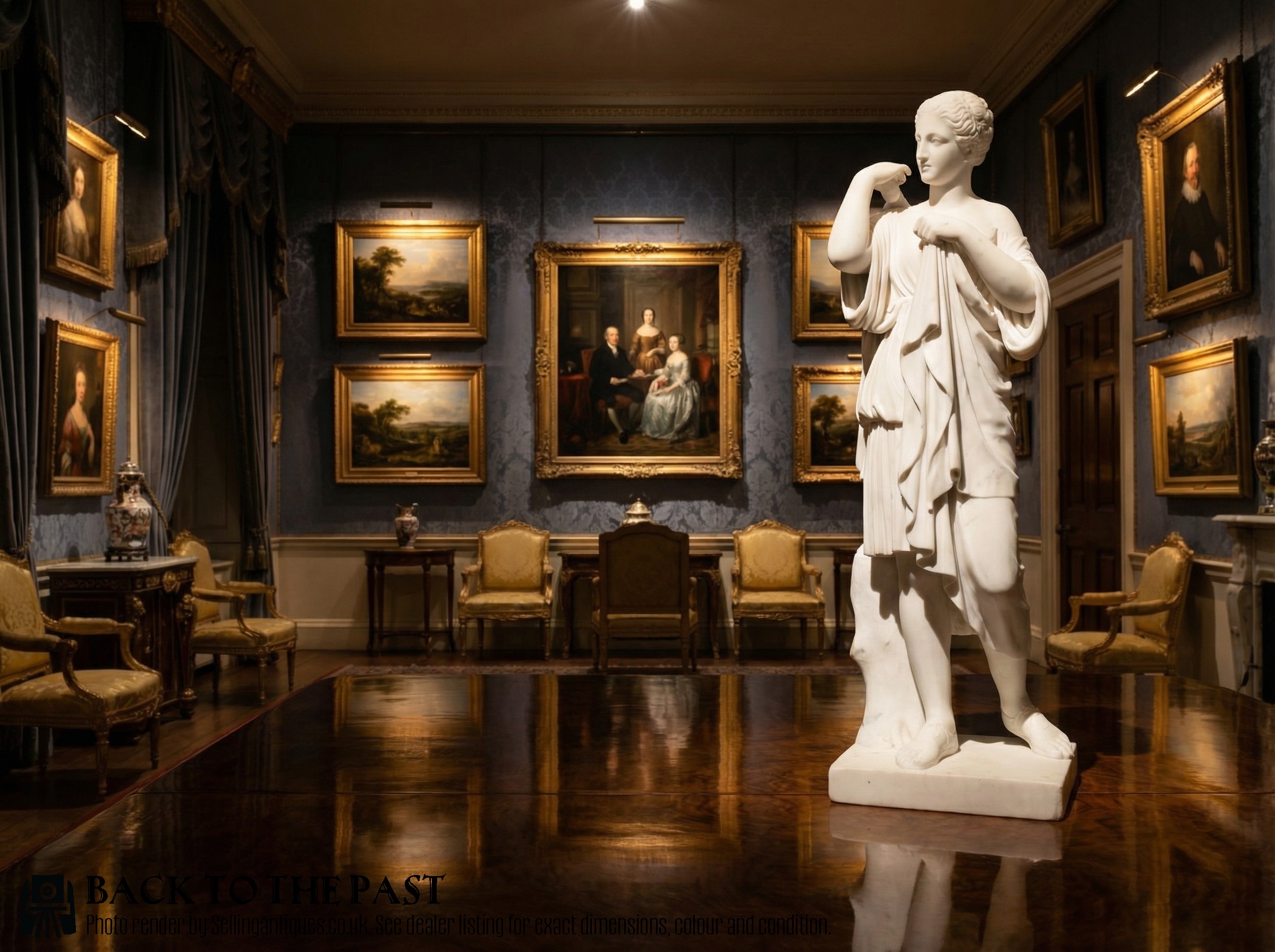
Grand Tour Marble Statue
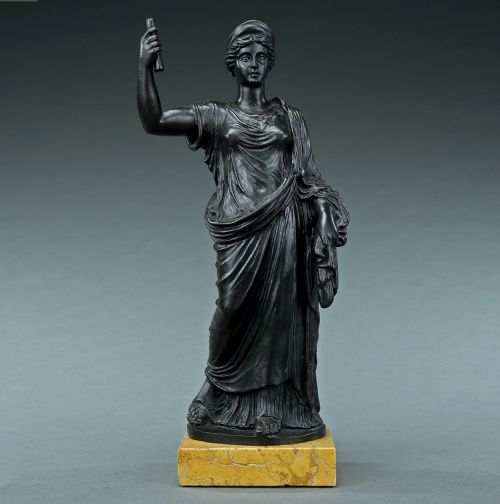
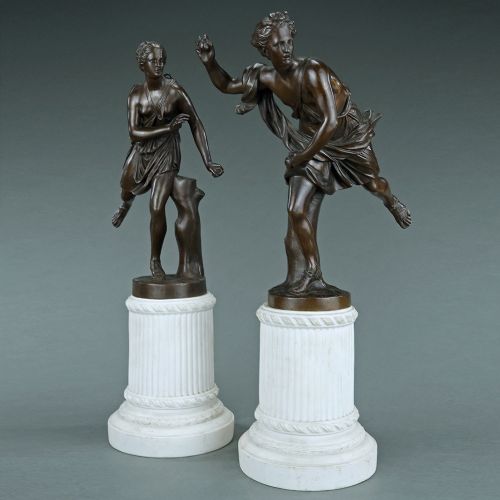
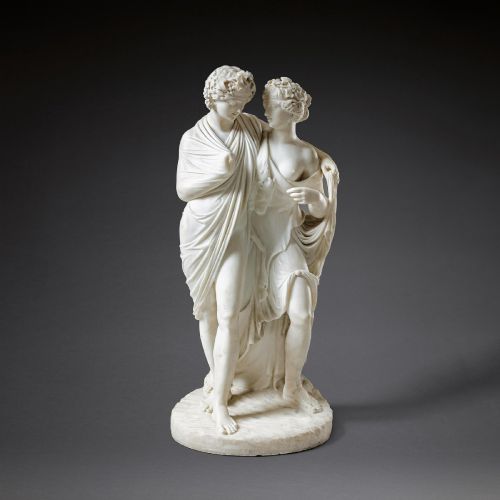
A grand tour marble statue represents souvenir sculptures and architectural models collected by travellers journeying through Italy and Europe during the nineteenth century. These pieces translate classical antiquity, mythology and Renaissance masterworks into portable or cabinet-scale carvings.
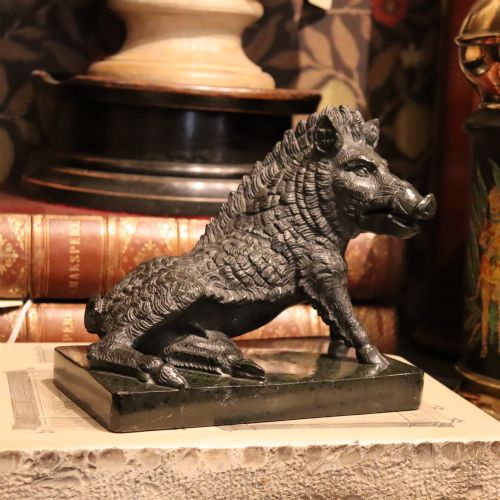
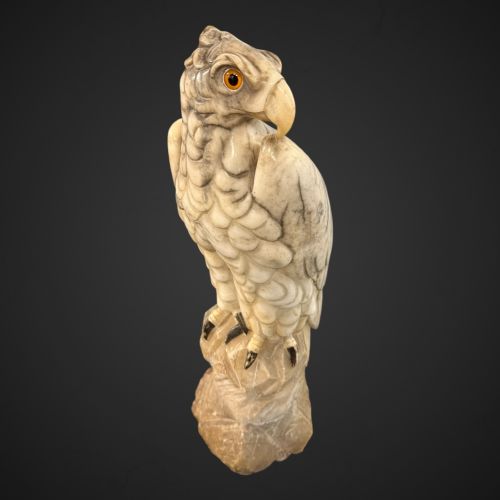
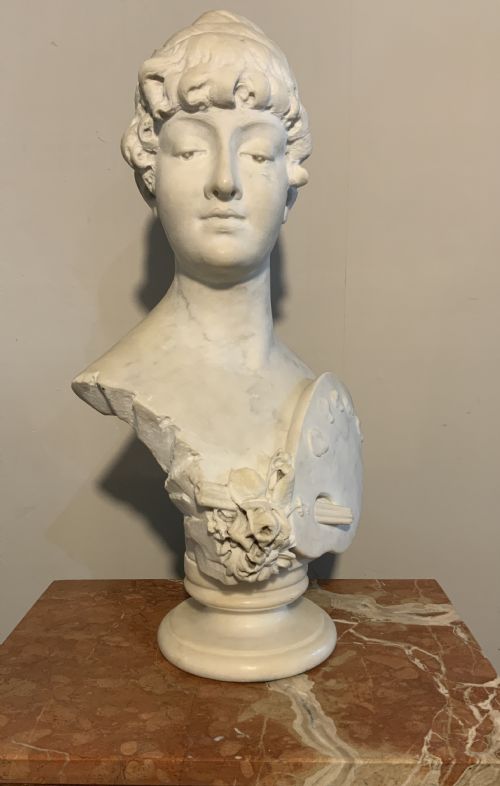
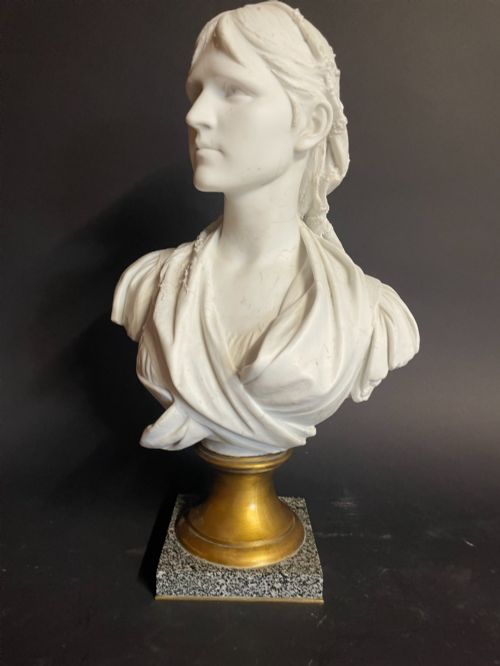
The selections available here predominantly feature nineteenth-century items, spanning white marble, veined Carrara marble, serpentine and alabaster. Formats range from library busts and animal figures like the Florentine boar to full figural groups after ancient originals.
Originating primarily from Italian and French workshops, these sculptures serve as tangible connections to classical scholarship and elite travel. Buyers acquire them for their historical resonance and the refined decorative presence they bring to a room.
Materials and carving techniques
Carvers shaped white marble, Carrara marble, alabaster and serpentine using traditional chisels, rasps and drills to replicate famous excavated antiquities. Fine-grained stones allowed artisans to render intricate drapery, musculature and facial expressions with high fidelity.
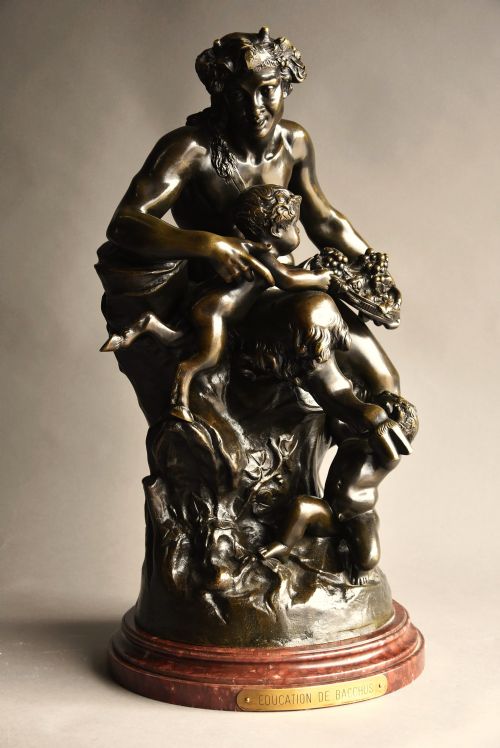
Many sculptures incorporate mixed media, pairing carved stone figures with fossil marble, grey marble or Siena marble bases. Bronze components occasionally complement the stone elements, fixed together via pins or threaded fixings.
Grand Tour Marble Statue Retail Price Guide 2026
Typical asking prices for grand tour marble statue among the pieces listed under this phrase on Sellingantiques today, from the lower quarter to the upper quarter. They describe what is for sale here now, not the wider market.
Several stone lions guard these listings, proving that even a nineteenth-century desk appreciates a fierce beast.
Markers of sculptural quality
The choice of stone further distinguishes the tier of a piece, with select veined Carrara or richly coloured serpentine commanding attention over uniform or softer alabaster. The integration between the main figure and its specific marble plinth demonstrates the forethought of the workshop.
Barbedienne·Carlo Albacini·R. Mattei
The Grand Tour Marble Statue Glossary
- Neoclassical
- A style originating in the mid-eighteenth century that drew direct inspiration from the art and culture of classical Greece and Rome. It prioritises solemnity, clear outlines and heroic subject matter.
- Carrara marble
- A type of white or blue-grey marble quarried in the city of Carrara in Tuscany, widely favored by sculptors for its fine texture and durability. It formed the material basis for many iconic Italian carvings.
- Serpentine
- A group of green silicate minerals often used as a decorative stone in sculpture and architecture. Its mottled green appearance mimics the look of ancient green antique stones.
- Alabaster
- A fine-grained, translucent stone utilised for intricate carvings and small-scale statuary. Its softness allows for delicate detail, though it remains vulnerable to moisture.
- Grand Tour
- A traditional trip of Europe undertaken by upper-class European young men of sufficient means. It focused on the classics and art appreciation, resulting in the acquisition of numerous souvenirs.
Grand Tour Marble Statue: Frequently Asked Questions
What is a grand tour marble statue?
These are nineteenth-century sculptural souvenirs carved in Italy or France, reproducing famous classical, Hellenistic or Renaissance statues for travellers.
They allowed collectors to bring the heritage of Rome and Florence back to their home libraries and drawing rooms.
How do I care for antique marble?
Dust the surface regularly with a soft, dry cloth and avoid using chemical cleaners, acidic substances or excessive water.
Place the heavy stone sculptures on stable, level surfaces that can adequately support their substantial weight.
Are these pieces direct copies of ancient art?
Most works replicate celebrated classical sculptures housed in European museums, such as the works of Canova or ancient Roman marbles.
Workshop artisans reinterpreted these masterworks at a smaller scale, often adapting them as cabinet bronzes or marble reductions.
How can I tell the period of a marble statue?
Examine the tooling marks, the patina of the stone and the construction methods used to attach figures to their bases. Nineteenth-century pieces typically display hand-finished surfaces characteristic of European studio production from that era.
Comparing the style of the base and the material specifics against documented workshop practices helps confirm the nineteenth-century origin.