

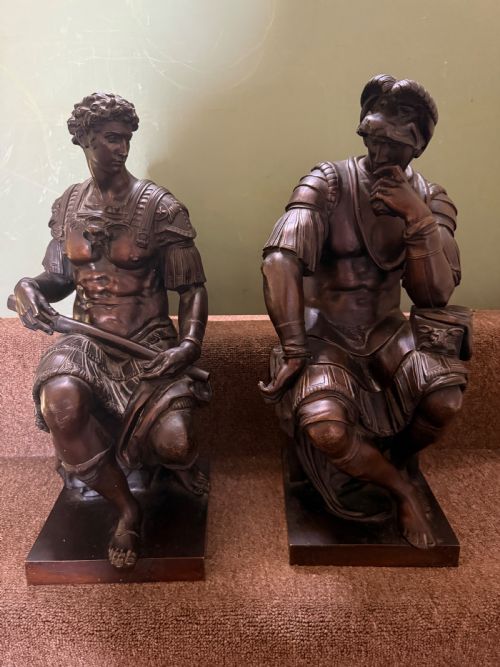
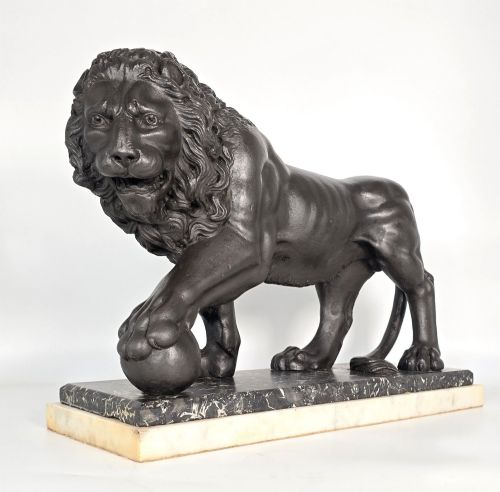
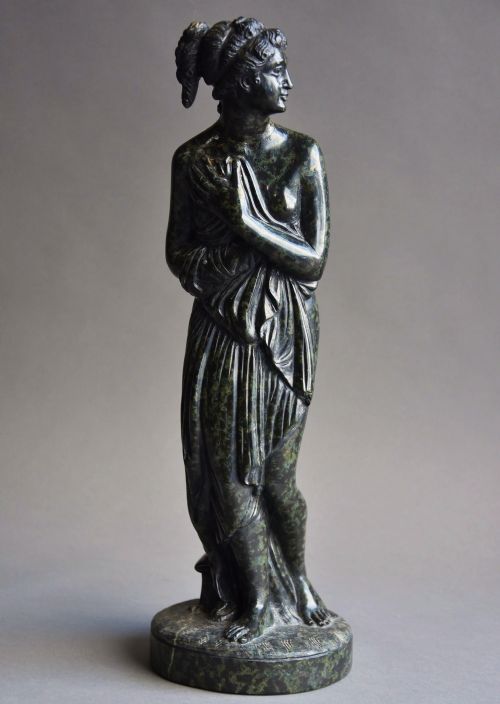
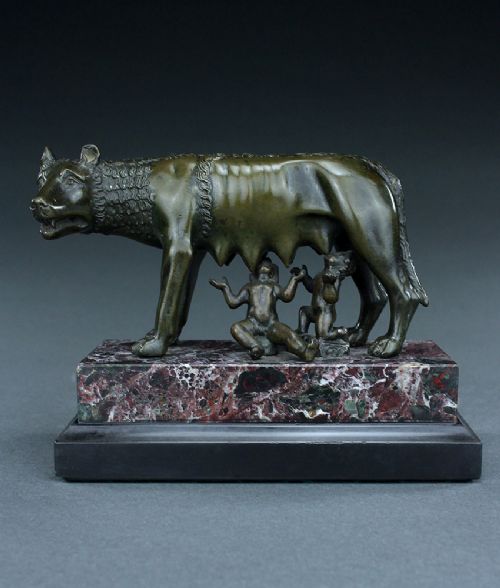
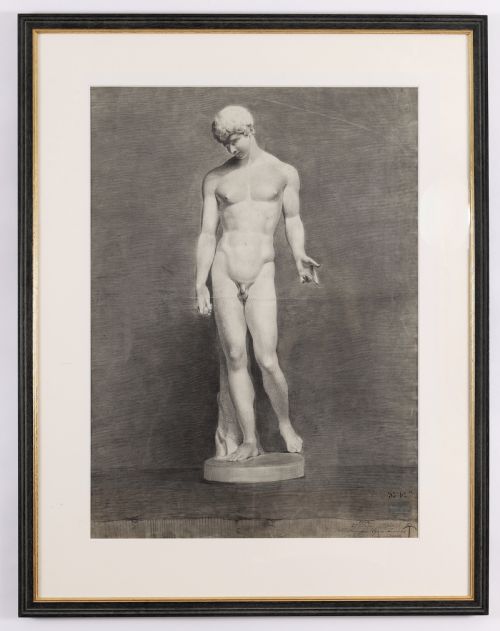
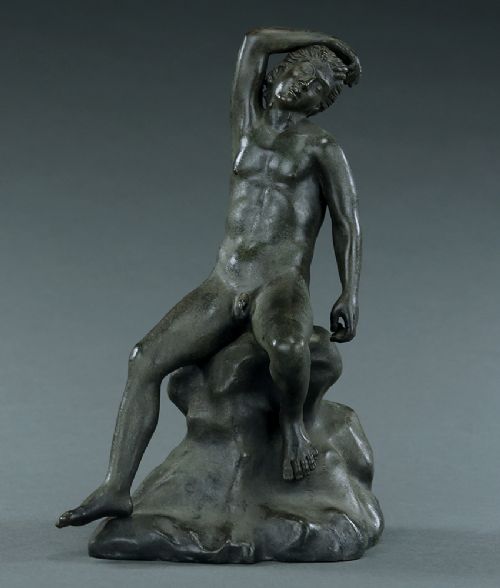
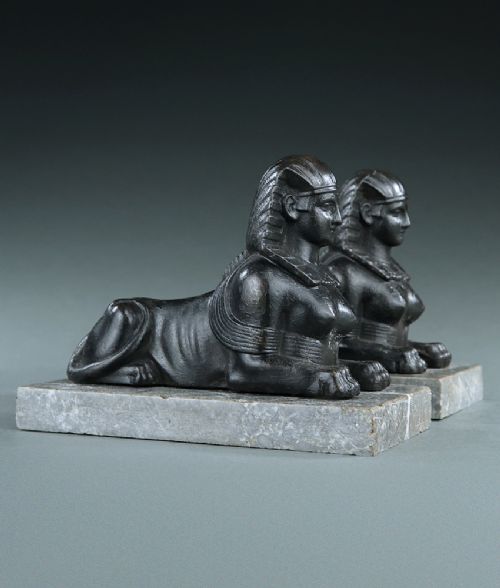
Grand Tour Souvenir Statue
A grand tour souvenir statue brings the sculpted masterpieces of classical antiquity straight into the nineteenth-century study.
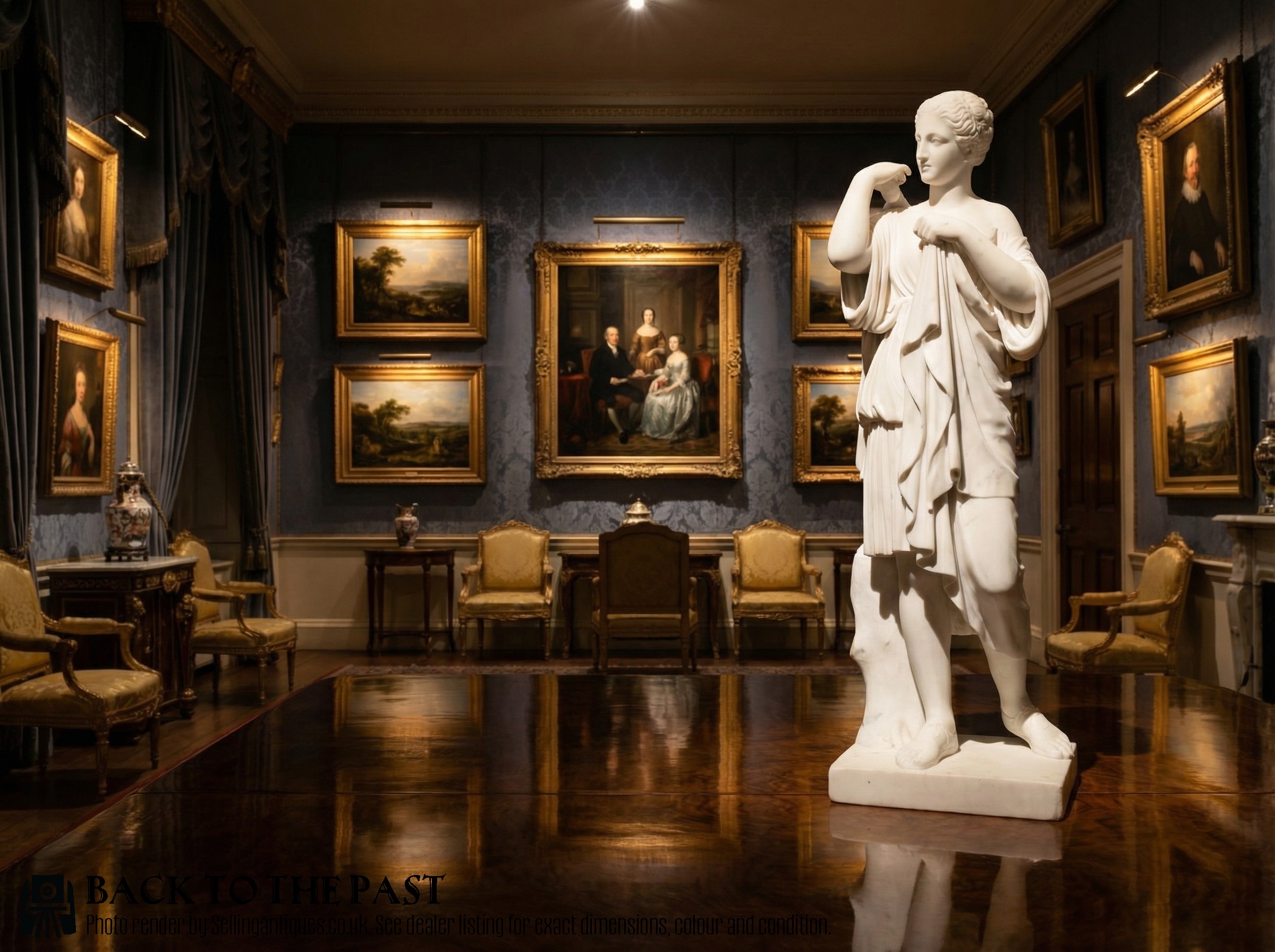
Understanding Grand Tour Souvenir Statues
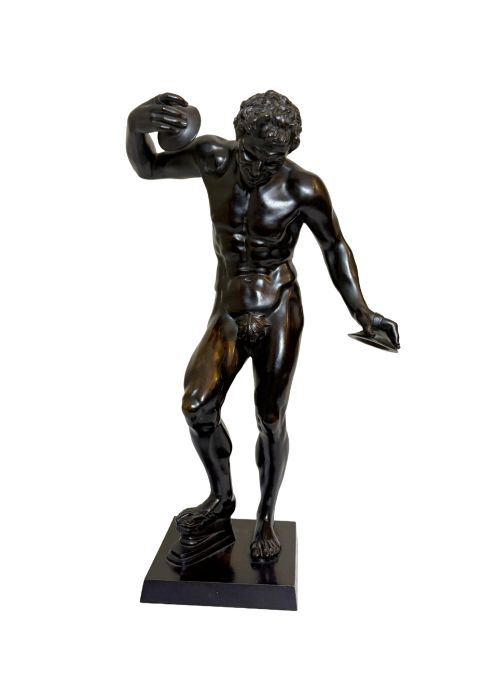
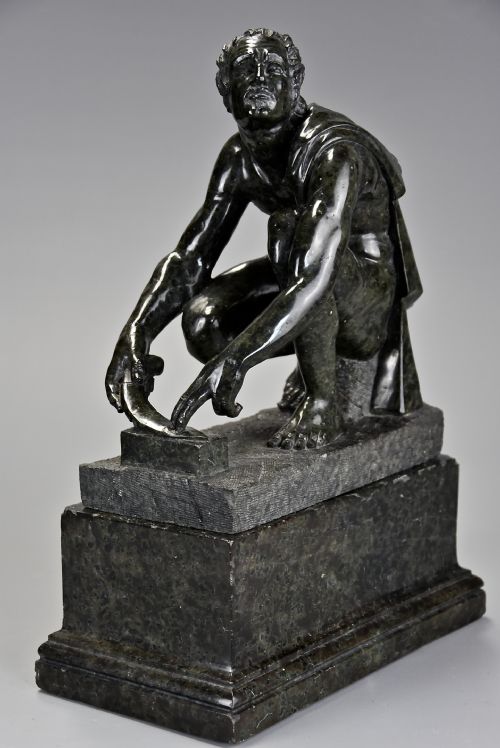
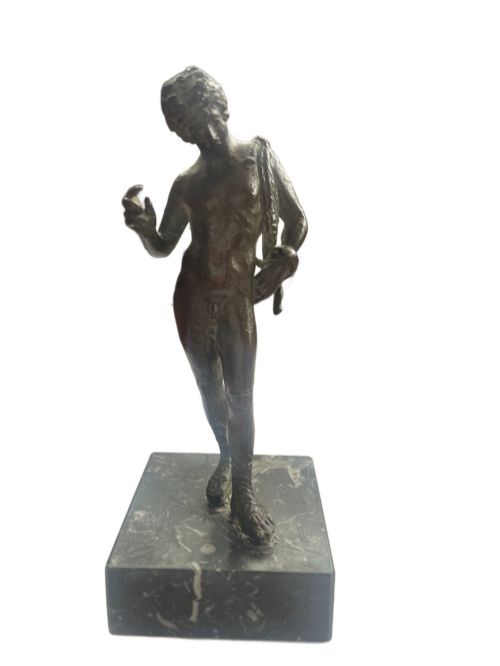
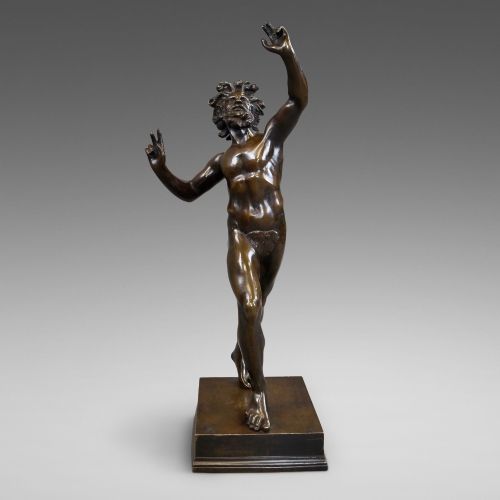
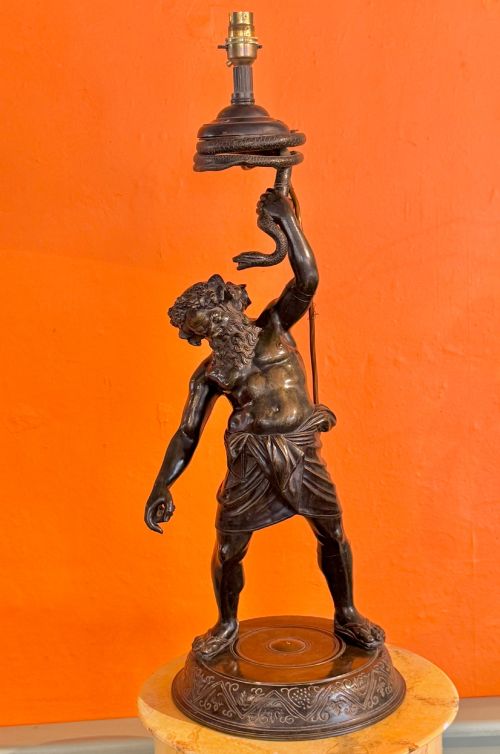
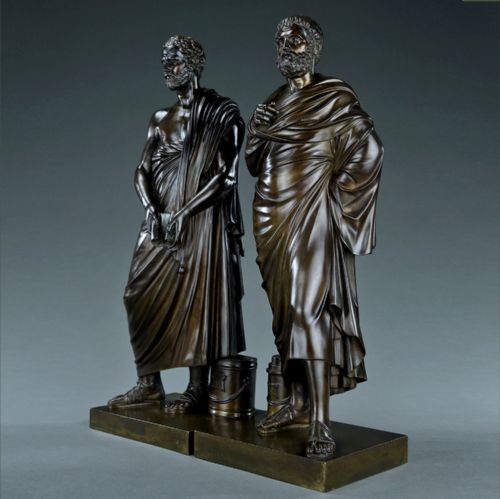
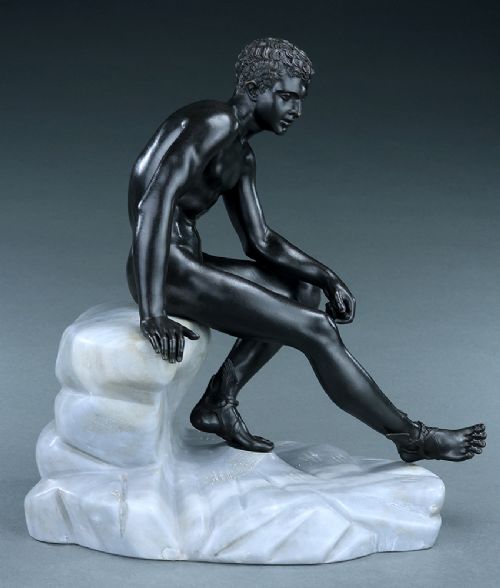
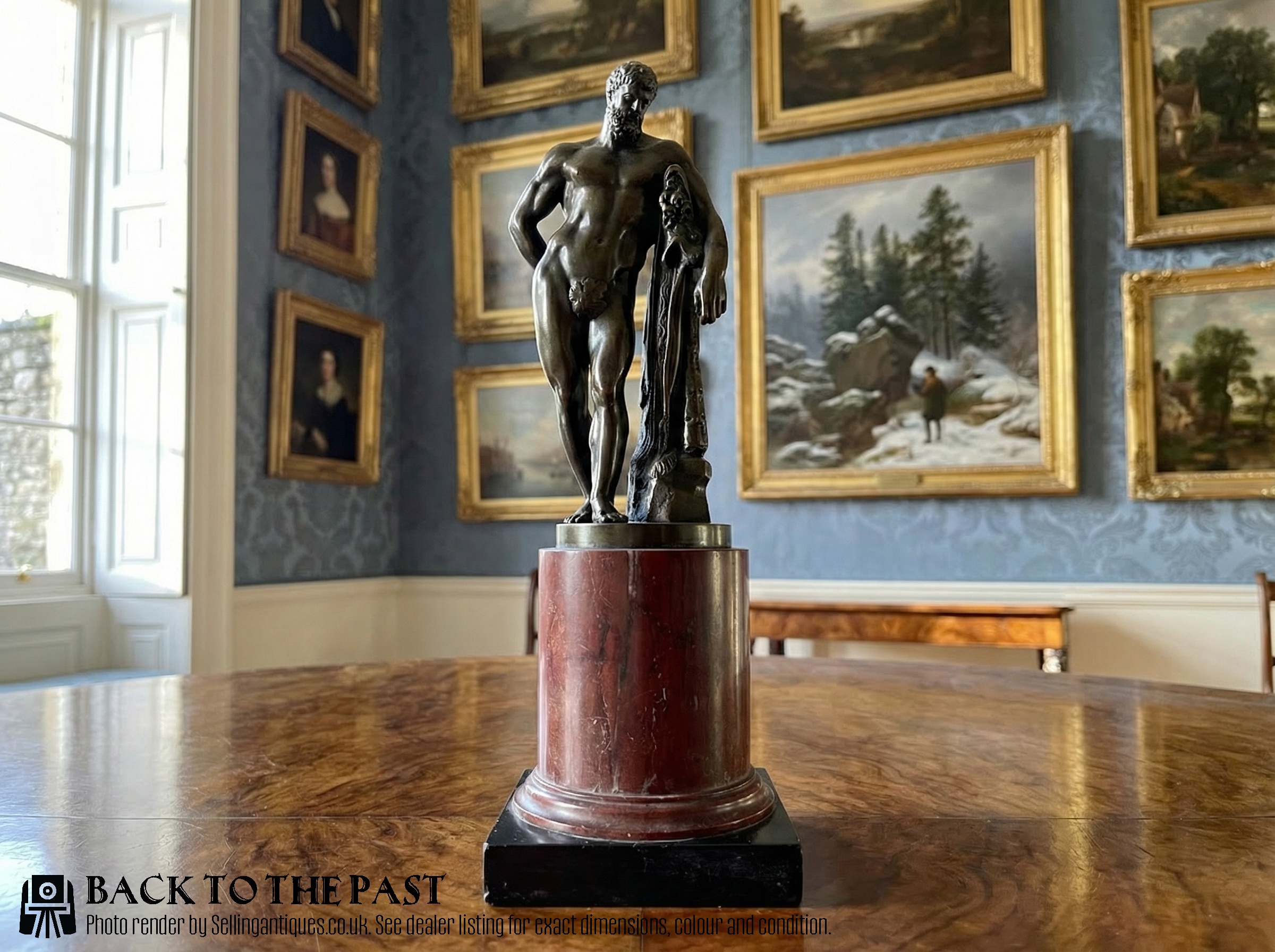
A grand tour souvenir statue captures the classical sculpture seen by travellers journeying through Italy during the nineteenth century. These reductions immortalise famous figures from antiquity, such as Mercury, the Danaide, and Venus, allowing collectors to display iconic museum pieces at home.
Most examples encountered here date from the nineteenth century, specifically spanning the decades between eighteen seventy and eighteen ninety. They take the form of freestanding bronze sculptures, patinated bronze studies, and white marble figures.
The subjects draw directly from celebrated ancient works, rendered in both monumental proportions and smaller scales suited for domestic display. Collectors find these pieces in neoclassical and grand tour styles, reflecting the prevailing aesthetic of the period.
Materials and Making
These statues utilise durable metals and stone, most notably bronze, patinated bronze, marble, white marble, and stone. Foundries cast the metals to capture intricate details of the human form, often applying dark patination to emulate excavated antiquities.
Marble figures require meticulous carving by hand to replicate the smooth drapery and soft contours of classical originals. Artisans finish the stone surfaces carefully, while metalcasters refine their bronzes through precise chasing and patination.
Retail Price Guide 2026
Typical UK retail prices for grand tour souvenir statue, calculated from the Sellingantiques database of over a million retail prices indexed since 2003. This retail price guide relies exclusively on Sellingantiques data; no external sources or auction records are used, so the figures do not describe the wider market.
Nineteenth-century tourists frequently packed heavy marble goddesses into their luggage just to prove they reached Rome.
Degrees of Quality
Foundry marks and signatures elevate certain pieces, distinguishing standard souvenir workshop output from superior artistic reductions. The choice of material also plays a role, with richly patinated bronzes and finely grained white marbles commanding greater attention.
Messina Roma·Barbedienne·Bardedienne Foundry
The Grand Tour Souvenir Statue Glossary
- Patinated bronze
- Bronze treated with chemical solutions to produce a specific surface colour and aged appearance. This finish protects the metal and mimics the look of buried antiquities.
- Neoclassical
- The revival of classical Greek and Roman styles in European art and architecture. It dominates the aesthetic of nineteenth-century decorative arts.
- Reduction
- A scaled-down copy of a large monumental sculpture. These permitted nineteenth-century travellers to transport heavy classical art back to Britain.
- White marble
- A bright, fine-grained metamorphic rock prized for its purity. Sculptors utilise it to achieve smooth skin textures and luminous drapery.
Frequently Asked Questions
How do I identify the subject?
Look for distinct attributes like winged sandals for Mercury, clappers for the dancing faun, or specific postures associated with ancient deities.
Inscriptions on the base or historical records of famous antiquities often confirm the exact classical prototype.
Where were these statues made?
Foundries and studios across Italy and France produced these pieces during the nineteenth century to satisfy traveller demand.
Italian workshops often focused on local bronze casting, while French foundries like Barbedienne produced highly refined commercial editions.
How should I display them?
Place bronze and marble statues on sturdy surfaces like wooden mantelpieces, library desks, or dedicated pedestals where lighting highlights their contours.
Keep them away from direct heat sources and clean them gently with a dry microfibre cloth to preserve the original surface.