


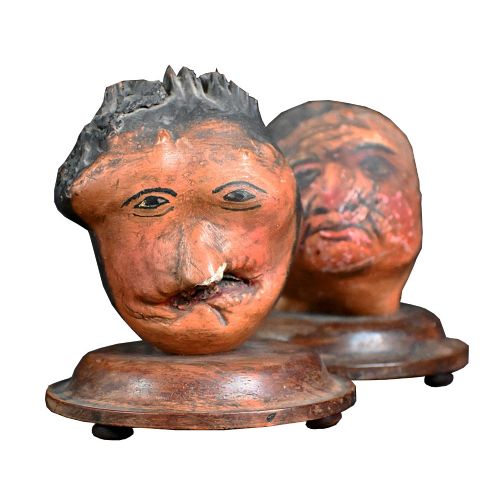

Vintage Terracotta Bust
A vintage terracotta bust brings the character of clay sculpture into a room, offering portraits, figures and wall masks from past centuries.
Vintage Terracotta Bust
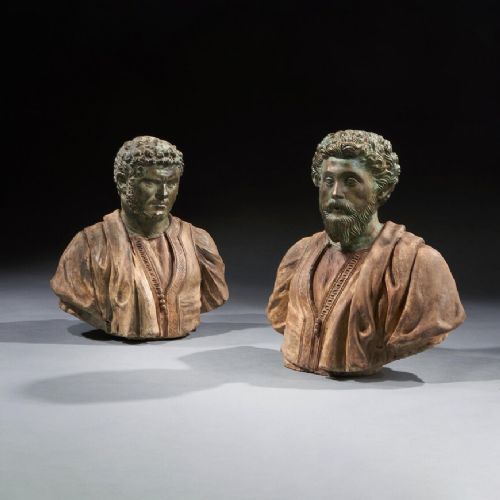
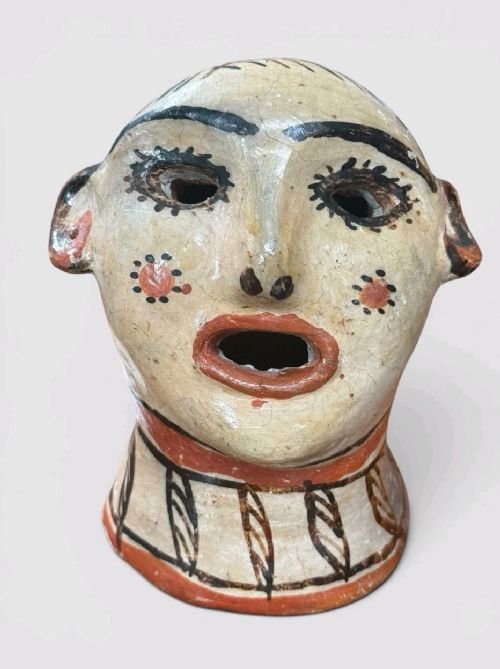
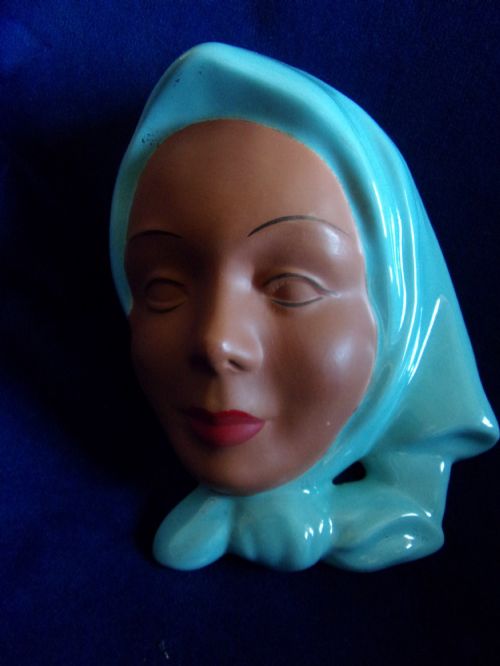
When you search for a vintage terracotta bust, you encounter sculpted representations of human and animal forms originating from the nineteenth and twentieth centuries. These pieces encompass classical subjects, folk art, and distinct period aesthetics like Art Deco and Art Nouveau.
Makers and sculptors represented include named artists such as Gilbert Privat, Ernst Wahliss, Georges Morin, Bohumil Rezl, and A.Gory, alongside unsigned regional folk art and studio pieces. Forms range from freestanding portrait busts on pedestals to architectural wall sculptures.
Materials and construction methods
The primary material is fired clay or terracotta, sometimes accompanied by plaster, ceramic, and earthenware variants. Sculptors shaped these mediums by hand or pressed them into moulds before firing in kilns to achieve durable rigidity.
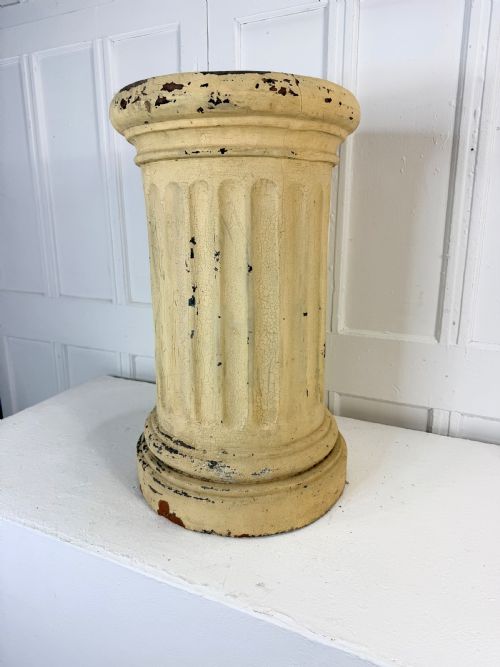
Surfaces frequently receive applied paint, verdigris patina, or bronze-effect finishes to alter the natural reddish-brown tone of the baked earth. Plaster additions and wooden supports or display columns occasionally accompany the sculptural bodies.
Among the solemn Caesars and classical maidens, nineteenth-century Spanish horses make an unexpected and spirited appearance in the clay.
Factors that define quality
The handling of the surface finish and patina also distinguishes the standard of a piece, with skilful application of paint or bronze coating enhancing the sculptural form rather than masking imperfections. Signed works by documented artists command particular attention for their recorded provenance.
Gilbert Privat·Ernst Wahliss·Georges Morin·Bohumil Rezl·A.Gory
The Vintage Terracotta Bust Glossary
- Terracotta
- Fired unglazed clay of a brownish-red colour. This material forms the durable foundation of most sculptures on this page.
- Patina
- The surface appearance accumulated through age, wear, or deliberate chemical treatment. Artists often apply verdigris or bronze finishes to simulate aged metal.
- Wall Masque
- A sculptural face or head designed to be hung directly on a wall. These decorative masks appear frequently in twentieth-century ceramics.
- Neoclassical
- A style drawing inspiration from the classical art and culture of ancient Greece and Rome. Many nineteenth-century portrait busts adopt this dignified visual language.
- Folk Art
- Artistic work created within a traditional culture by self-taught or regional makers. These pieces often display charmingly direct interpretations of human and animal subjects.
Vintage Terracotta Bust: Frequently Asked Questions
How do I identify a terracotta bust?
Terracotta is a hard, porous earthenware ceramic with a characteristic reddish-brown clay body. Look for the unglazed earthy texture, sometimes covered by a painted or patinated surface layer.
Heavier plaster alternatives or ceramic pieces also appear in listings, so examine the base or underside where the fired clay matrix remains visible.
Where were these busts made?
The pieces originate from various European countries, including France, Spain, Austria, and Italy, alongside Peruvian folk art traditions. Studios in major cities like Paris and Vienna produced many of the refined portrait sculptures.
Regional workshops and individual folk artists created the more vernacular items, reflecting local materials and cultural aesthetics of the nineteenth and twentieth centuries.
How should I display a bust?
Freestanding portrait busts suit placement on mantelpieces, sideboards, or dedicated display columns and pedestals. Wall masks require secure fixings to support their weight directly against a vertical surface.
Keep terracotta pieces away from areas of high moisture and direct impact, as the fired clay can chip or absorb dampness over time.
Are these busts signed?
Some sculptures feature artist signatures, foundry marks, or stamps inscribed into the clay before firing or added to the base afterwards. Pieces associated with named sculptors like Georges Morin or A.Gory often carry these identifying incisions.
Many period works, particularly folk art and decorative studio items, remain unsigned while still demonstrating distinct stylistic attributes and manufacturing eras.