


Late Nineteenth Century Sculpture
Late nineteenth century sculpture brings together bronze, marble and terracotta works spanning the Victorian era through to Art Nouveau.
Late Nineteenth Century Sculpture
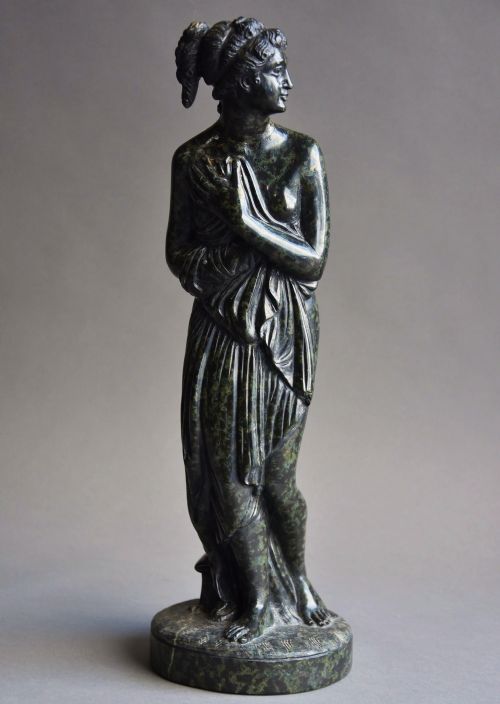
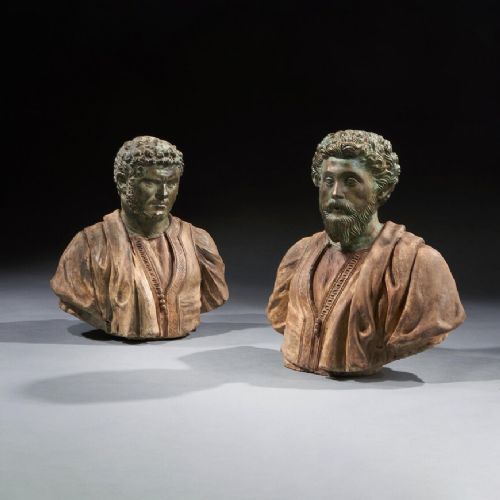
Late nineteenth century sculpture covers a diverse range of busts, figures, vases and architectural carvings produced across Europe and Asia. The selection includes Grand Tour pieces, Austrian terracotta, French bronze casts and carved wooden animals.
Buyers will encounter portrait busts of historical figures alongside mythological subjects, allegorical female models and animal studies. These works reflect the varied aesthetic movements of the period, from Neoclassical revival to early Art Nouveau designs.
Origin points span Britain, France, Austria, Germany, Japan and China, utilising traditional craftsmanship typical of the closing decades of the nineteenth century. Forms vary from small tabletop porcelain figurines to substantial bronze bear statues and marble-based putti groups.
Materials and methods of production
Metals such as bronze and spelter were cast using traditional methods, often finished with gilt or silvering and mounted on marble bases. Foundries utilised foundry stamps to mark quality output, whilst some figures combined cast metal with carved stone elements.
Carved pieces utilised woods like linden and pine, alongside alabaster, serpentine and stone. Ceramics and terracotta required skilled modelling and kiln firing, followed by hand-glazing or the production of Parian ware and bisque porcelain.
Makers employed detailed hand-finishing for facial expressions, drapery and surface textures across both metalwork and carved organics. Parian ware was cast in moulds to achieve the smooth, marble-like matte surface popular for classical figures.
Late Nineteenth Century Sculpture Retail Price Guide 2026
Typical asking prices for late nineteenth century sculpture among the pieces listed under this phrase on Sellingantiques today, from the lower quarter to the upper quarter. They describe what is for sale here now, not the wider market.
The selection includes works attributed to the Victorian period, Art Nouveau styles, Neoclassical revivals and Grand Tour traditions.
Distinctions in execution and detail
Quality rests primarily in the crispness of the casting or the depth of the carving, where sharper anatomical details and refined surface textures distinguish superior output. Casts taken from worn secondary moulds lose the fine linear definition seen in primary editions.
Material selection and foundation work indicate the tier of a piece, such as heavy bronze versus lighter cast metal or spelter, and solid marble mounts versus simpler supports. Artist signatures and foundry stamps provide tangible evidence of workshop provenance.
Barbedienne·Bernard Bloch·Ernst Whaliss·Triebner Ens And Co·Royal Worcester
The Late Nineteenth Century Sculpture Glossary
- Bronze
- An alloy of copper and tin widely used for casting figures and animals. It takes patination well and holds fine sculptural detail.
- Spelter
- A zinc alloy frequently utilised as a less expensive alternative to bronze during the period. It is often painted or bronze-finished to mimic heavier metal.
- Parian ware
- A type of fine biscuit porcelain developed to imitate carved marble. It is prized for its smooth, unglazed, off-white surface finish.
- Terracotta
- Fired unglazed clay used extensively for portrait busts and figurative sculpture. It allows for expressive modelling before the drying and firing process.
- Grand Tour
- A term describing souvenir works purchased by travellers touring cultural sites in Europe. These pieces often reproduce classical antiquities in miniature.
Late Nineteenth Century Sculpture: Frequently Asked Questions
What materials were used for late nineteenth century sculpture?
Makers worked in bronze, spelter, terracotta, Parian ware, porcelain, marble, alabaster and various woods. Each material brought different qualities to figures, busts and decorative vases.
Foundries and studios selected materials based on the desired finish, ranging from heavy cast metals to smooth carved stone and fired ceramic.
How do I identify Art Nouveau pieces?
Art Nouveau works display characteristic flowing lines, organic plant motifs and stylized female forms. These designs broke away from strict historical revivalism.
Ceramic busts and metal models from this movement often feature curving hair arrangements and naturalistic drapery.
Where were these sculptures made?
Origin locations span across Europe, including France, Austria, Germany and Britain, alongside items from China and Japan. European foundries and potteries produced the majority of the western items.
Asian carvings and glazed figures from the same decades also appear within this sculptural category.
How should I care for bronze and metal sculptures?
Metal figures require gentle dusting with a soft, dry cloth to prevent dust accumulation. Avoid using chemical polishes that can damage the original patination.
Keeping pieces away from direct heat sources and high humidity helps preserve the surface finish of both the metal and any attached stone bases.