



Female Portrait Bust
A female portrait bust captures elegance in carved stone and metal, offering a classic focal point for any room.
Understanding female portrait bust pieces
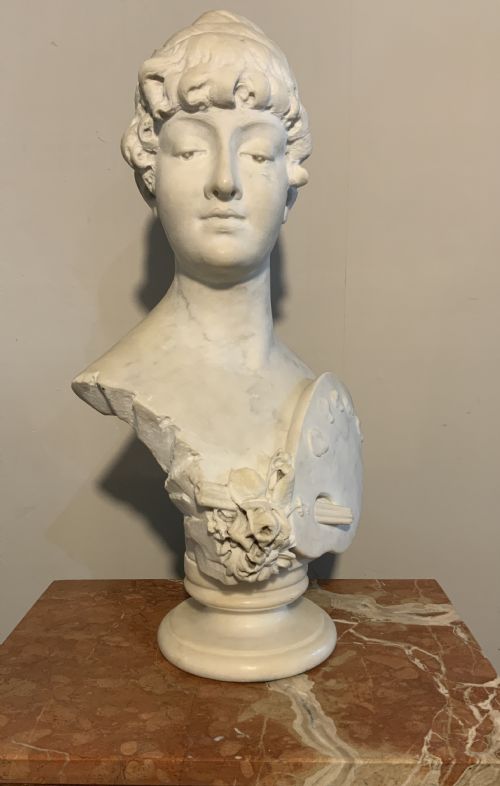
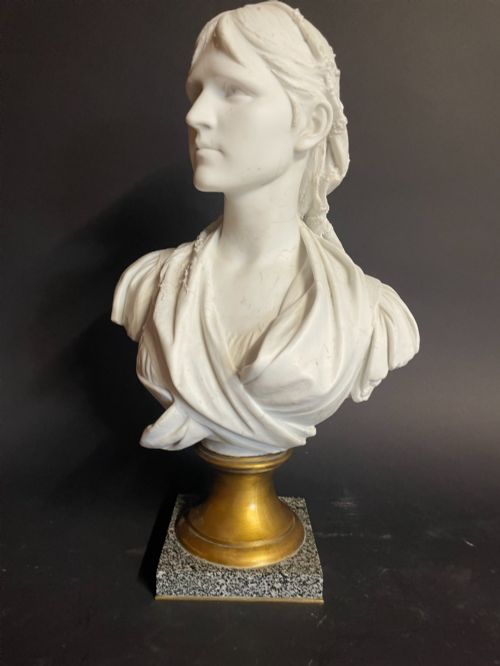
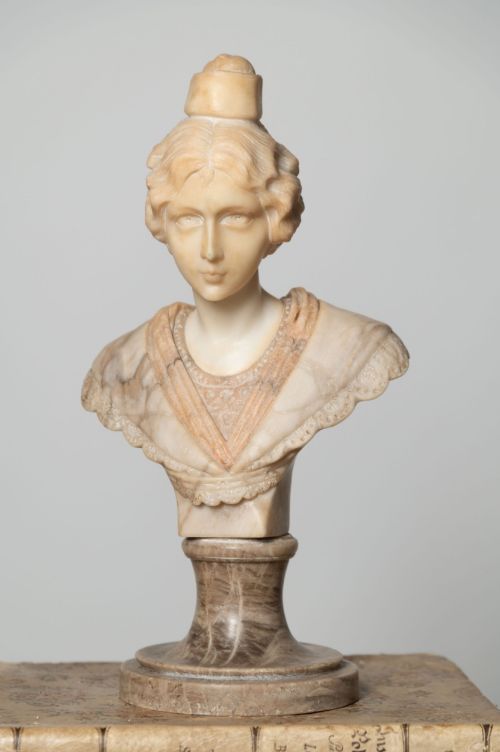
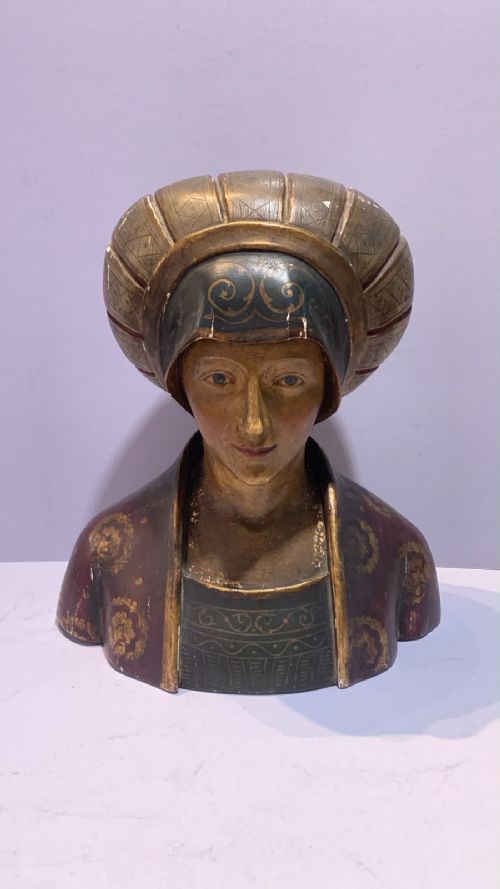
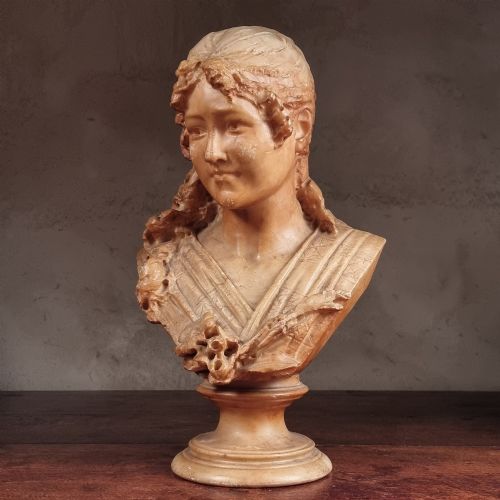
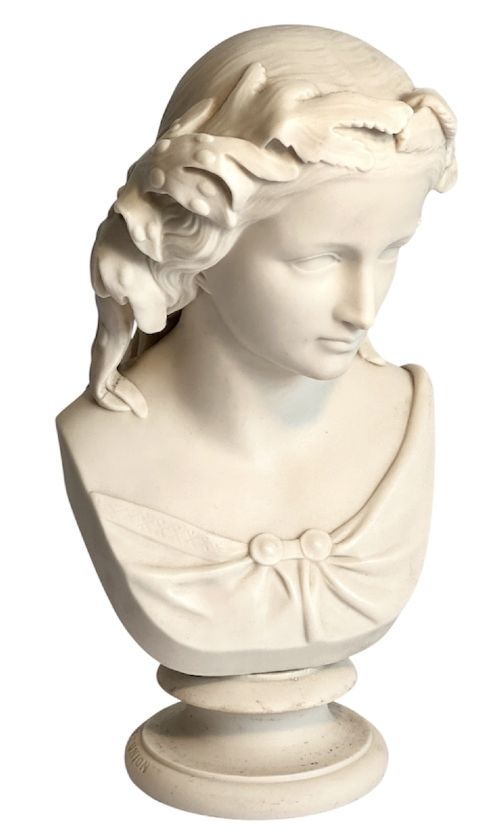
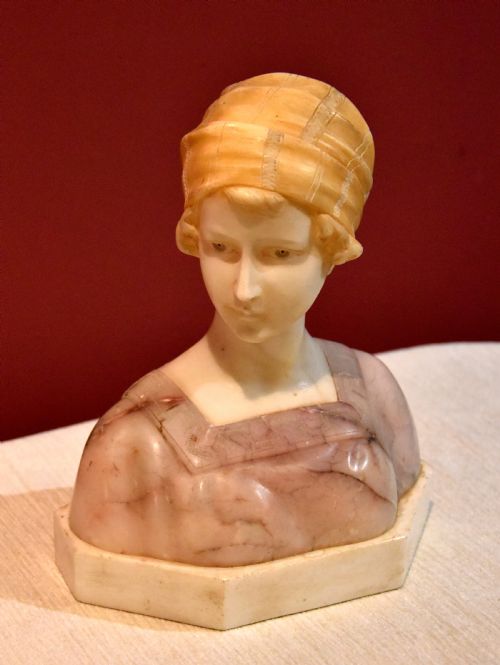
A female portrait bust represents women through sculptural art, spanning periods from the mid-nineteenth century to nineteen hundred. These works appear in forms such as sculptures and dedicated busts, often depicting historical, mythological, or youthful subjects.
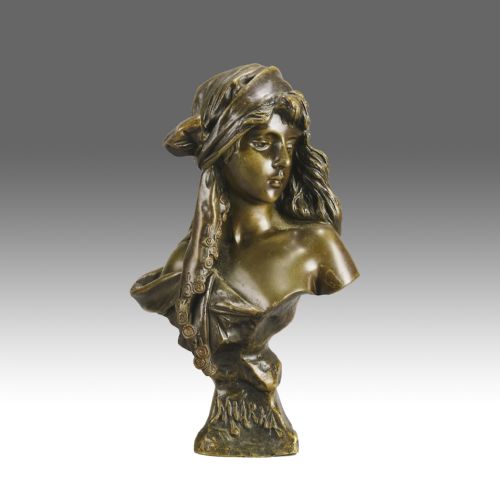
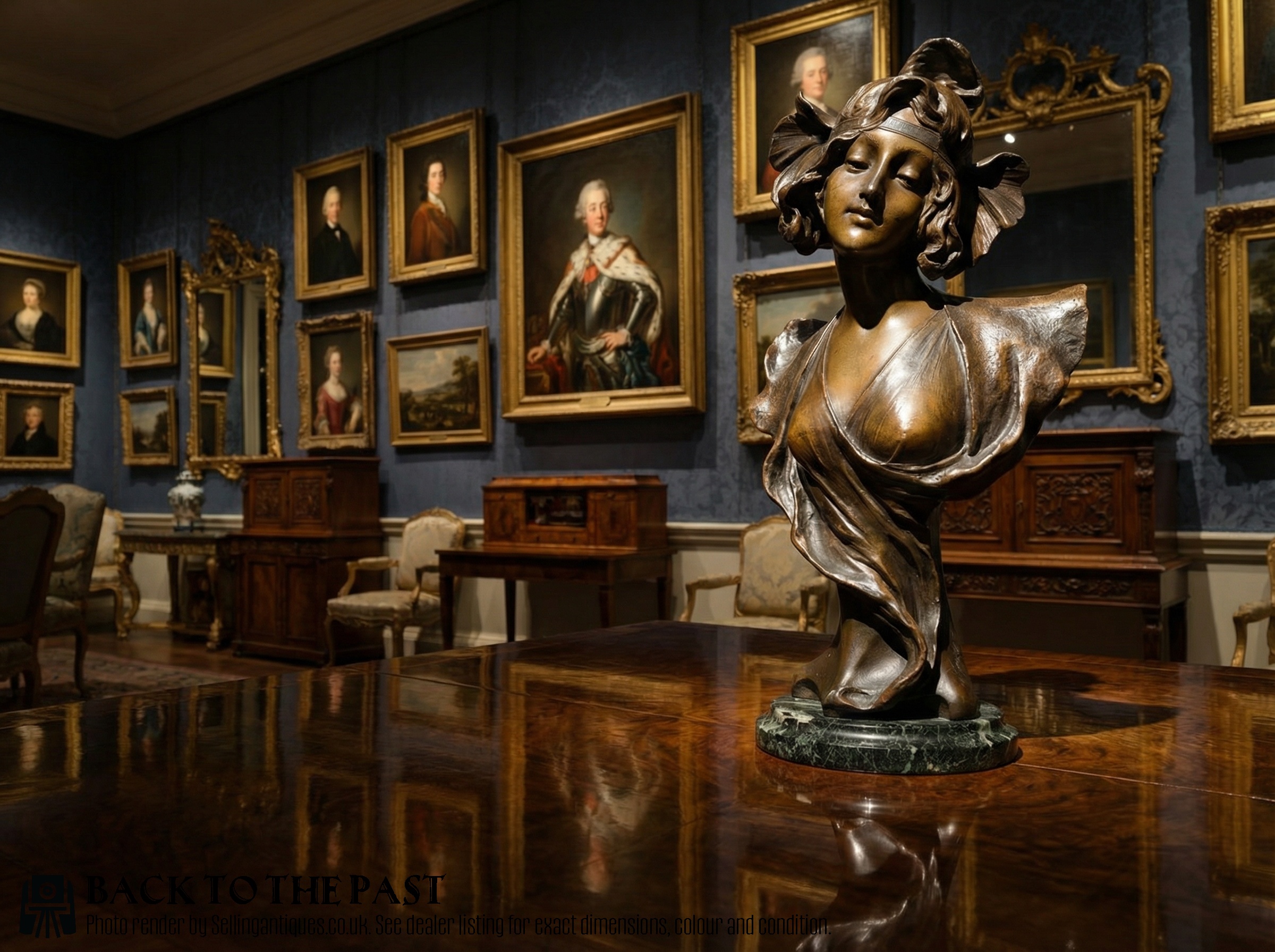
Buyers encounter French classical pieces alongside Victorian neoclassical and Art Nouveau examples. The nineteenth-century selections range from representations of mythological figures like Erato to studies of young women.
Materials and construction methods
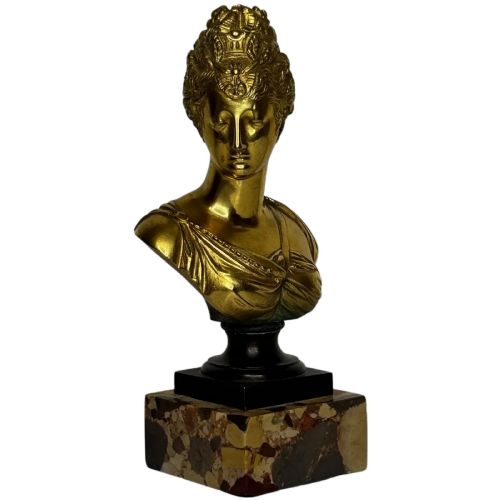
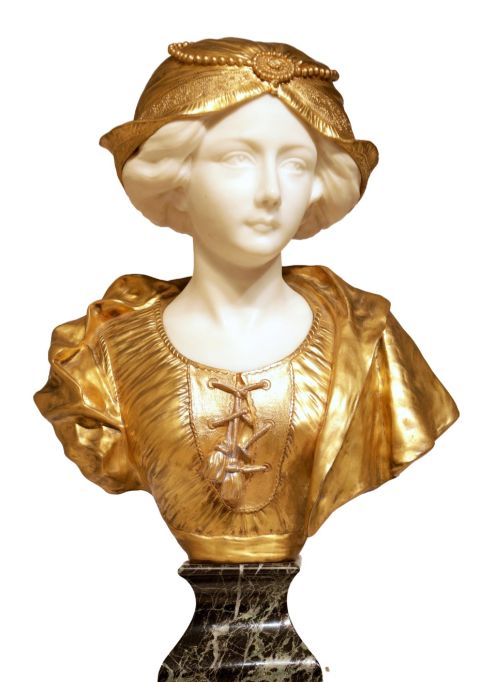
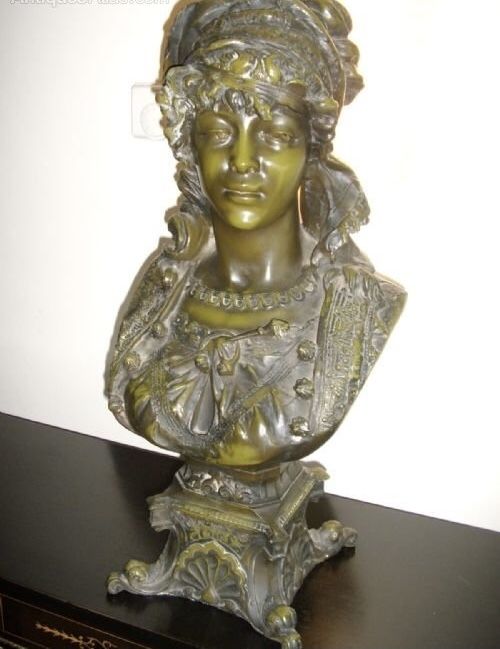
Makers integrated ormolu and spelter elements into the works, occasionally mounting figures upon green marble bases. This combination of stone and metal highlights the decorative shift toward Art Nouveau and classical styling.
Retail Price Guide 2026
Typical UK retail prices for female portrait bust, calculated from the Sellingantiques database of over a million retail prices indexed since 2003. This retail price guide relies exclusively on Sellingantiques data; no external sources or auction records are used, so the figures do not describe the wider market.
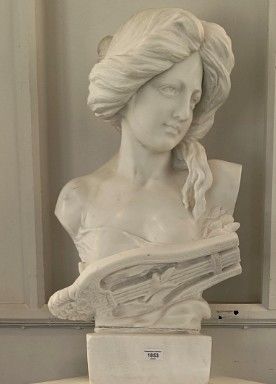
One young girl managed to secure a spot alongside a Greek muse.
Distinctions in quality and execution
The integration of secondary materials like ormolu mounts and specialised bases influences the overall refinement. Superior pieces demonstrate careful balance between the main sculptural medium and its supporting elements.
G.V. Vaerenbergh
The Female Portrait Bust Glossary
- Ormolu
- Gilt bronze applied as a decorative mount or detail. It adds metallic contrast to stone sculptures.
- Spelter
- A zinc alloy frequently used as a substitute for bronze in decorative figures. It appears in French Art Nouveau works.
- Neoclassical
- A style inspired by the classical art and culture of ancient Greece and Rome. It emphasises symmetry, dignity, and classical subjects.
Frequently Asked Questions
What is a female portrait bust?
A female portrait bust is a three-dimensional sculpture depicting a woman from the shoulders or chest upwards. These works focus on facial expression and upper details.
They serve as decorative art pieces originating from various historical periods, including the nineteenth and early twentieth centuries.
What materials are used?
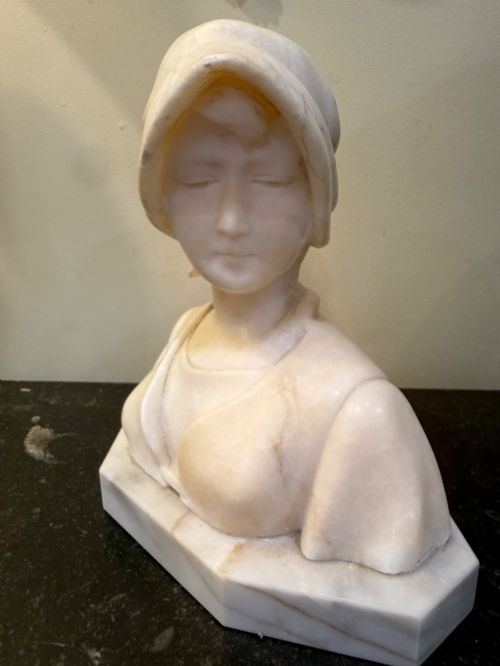
These sculptures utilise materials such as marble, carved marble, and alabaster for the primary figure. Stone provides a traditional medium for classical forms.
Additional elements include ormolu mounts and spelter, often combined with specialised marble bases to complete the piece.
How do I identify periods?
Dating relies on stylistic markers and material combinations associated with specific eras like the Victorian and Art Nouveau movements. Neoclassical pieces often reference classical mythology.
Examining the base type and metal components helps place the work within nineteenth-century or nineteen-hundred production periods.
Where should I display one?
These busts suit prominent display locations such as mantelpieces, entryways, or dedicated pedestals. Their compact format allows placement on sturdy furniture.
Ensure the surface can support the weight of stone and metal sculptures safely.