
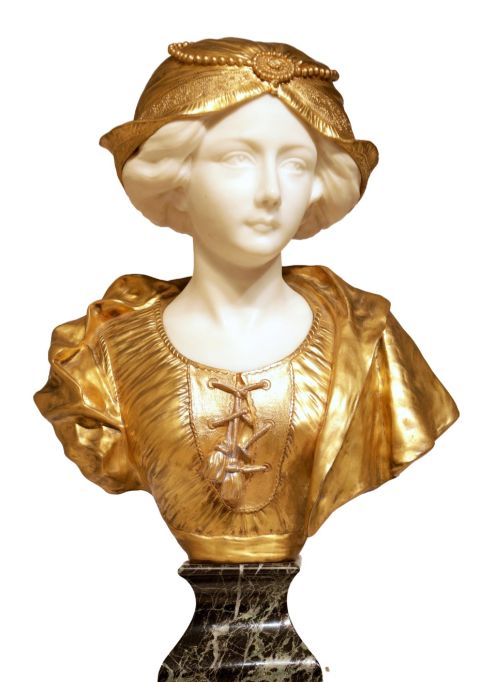
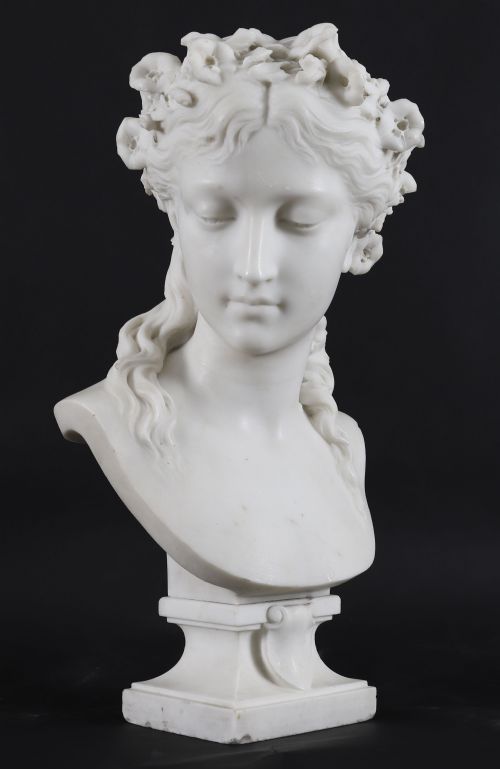
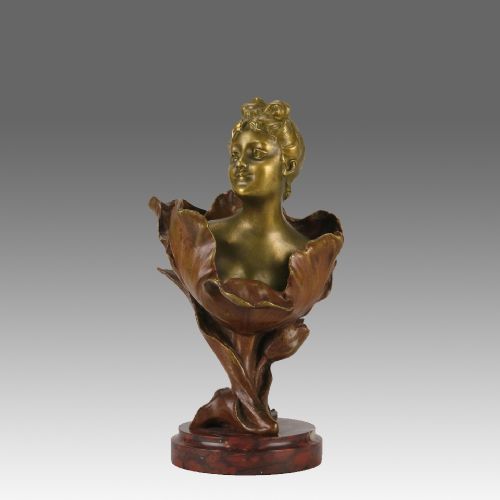
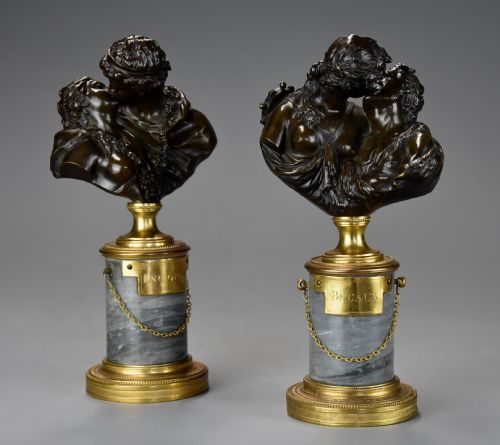



French Marble Bust
A french marble bust brings the measured poise of nineteenth-century sculpture into domestic rooms through carved stone and cast metal.
French Marble Bust
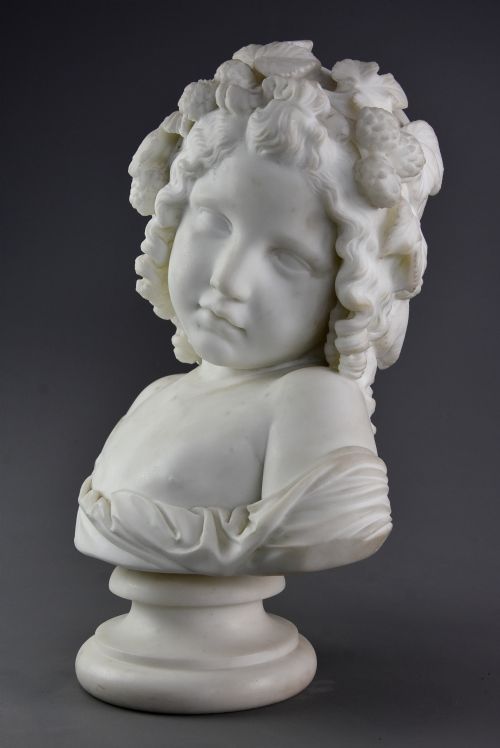
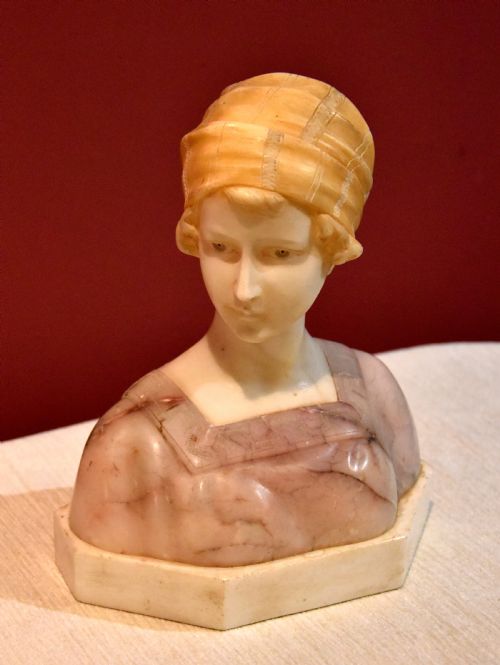
A french marble bust typically portrays historical figures, mythological subjects, or idealized female studies created across the nineteenth and early twentieth centuries. These works emerge from academic traditions that favoured classical poise, often combining white stone with contrasting metal or coloured mineral bases.
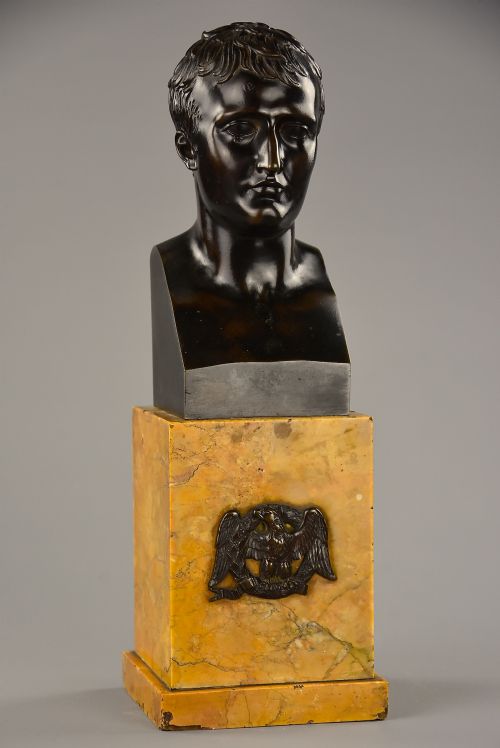
Buyers encounter subjects ranging from classical Grecian ladies and literary heroines to historical rulers like Napoleon Bonaparte. Many examples originate from workshops working within neoclassical, art nouveau, or empire styles during the eighteen-eighties and eighteen-nineties.
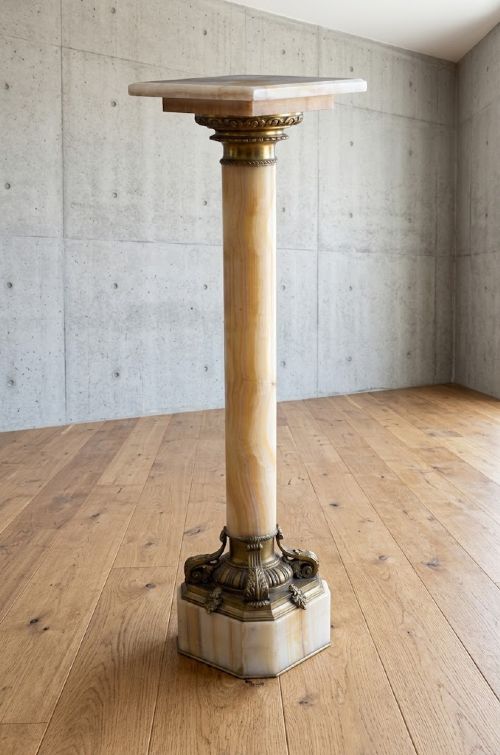
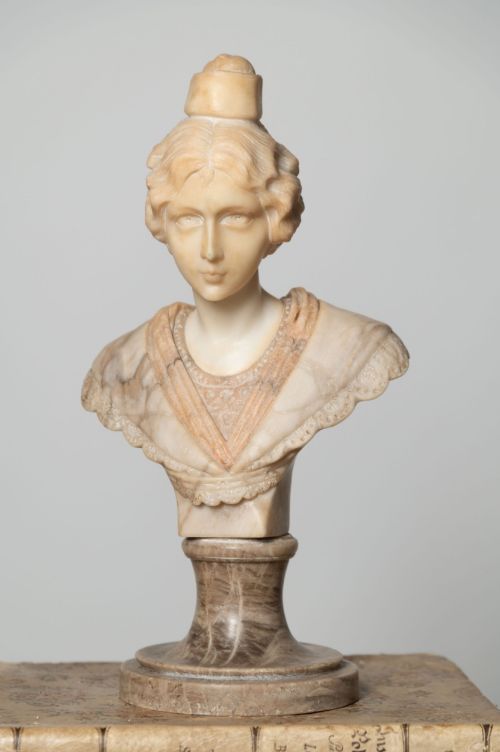
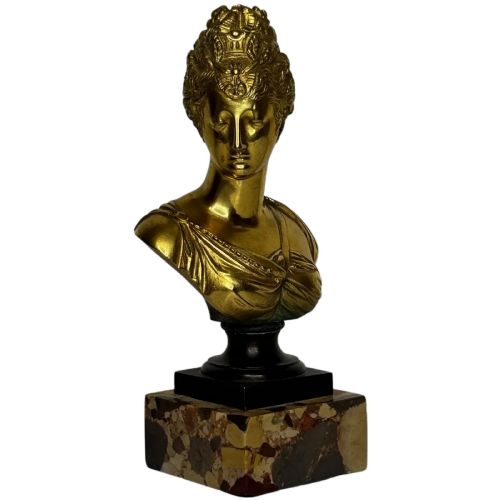
The phrase also encompasses mixed-media pieces where carved stone integrates with gilt bronze, ormolu, and alabaster elements. These sculptural portraits frequently rest upon dedicated pedestals, columns, or marble plinths designed to elevate the display.
Judging the work
Quality rests upon the crispness of the stone carving and the sensitivity with which the sculptor rendered facial expressions and flowing hair. Superior pieces display intricate detail in the undercut drapery and smooth, polished surfaces free from distracting natural fissures.
The caliber of the cast bronze or ormolu mounts also distinguishes finer examples from simpler production pieces. Well-chiselled metalwork with deep relief and secure seating onto the stone base indicates a higher standard of workshop execution.
Several ladies immortalized in stone spent centuries watching over French drawing rooms before travelling to modern homes.
Houdon·Eugene Aizelin·Henri Godet·Georges-Charles Coudray·Emmanuel Villanis·Eutrope Bouret·Auguste Moreau
The French Marble Bust Glossary
- Carrara marble
- A white or blue-grey stone quarried in Italy, prized by sculptors for its fine uniform grain.
- Ormolu
- Gilt bronze created by applying a mercury and gold amalgam to cast metal before heating.
- Alabaster
- A soft mineral stone that is easily carved and possesses a translucent quality when worked thin.
- Neoclassical
- A revival style drawing inspiration from the classical art and architecture of ancient Greece and Rome.
- Patina
- The surface sheen and colour developed on bronze through age and handling.
French Marble Bust: Frequently Asked Questions
Where do these busts look best?
These sculptures suit entrance halls, libraries, and drawing rooms where they can anchor a room's decorative scheme. Placing them at eye level on a sturdy column or console table allows proper appreciation of the facial modeling.
Keep pieces away from direct heat sources and strong sunlight to protect the stone finish and any gilt bronze surfaces.
How do I spot a signature?
Sculptors typically incised their signatures directly into the reverse edge of the marble shoulder or onto the cast bronze base. Look closely near the lower truncation of the bust where the stone meets its mount.
Some works also bear foundry stamps or contemporary titles cast into the metal elements alongside the artist's name.
What distinguishes art nouveau pieces?
Art nouveau examples from the late nineteenth century feature flowing organic lines, naturalistic floral motifs, and hair styled in sweeping asymmetrical waves. The subjects often represent poetic figures or ethereal female ideals rather than strict historical portraits.
These pieces frequently incorporate mixed media such as tinted alabaster, spelter, and carved onyx to enhance the decorative effect.