



Vintage Silver Animal Sculpture
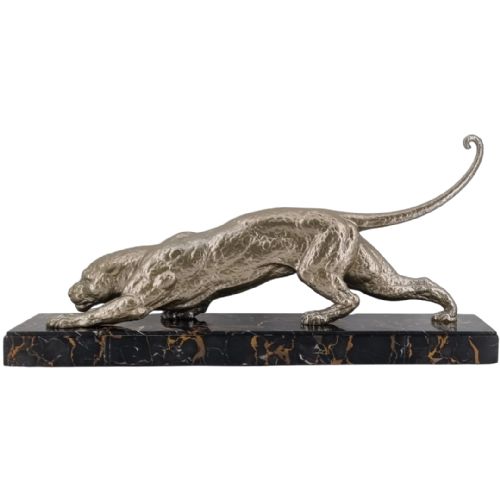
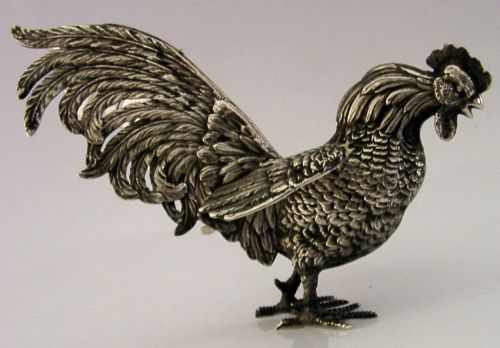
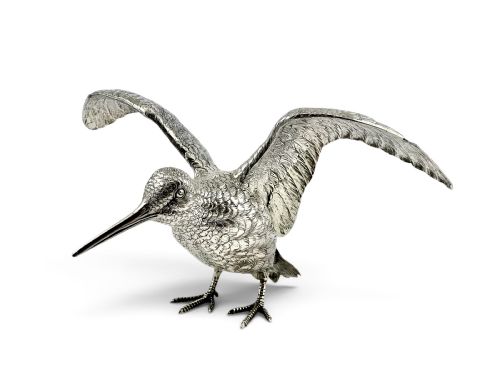
These vintage silver animal sculpture pieces capture birds, hounds and large beasts in solid metal, bringing character and form to a room.
Vintage Silver Animal Sculpture
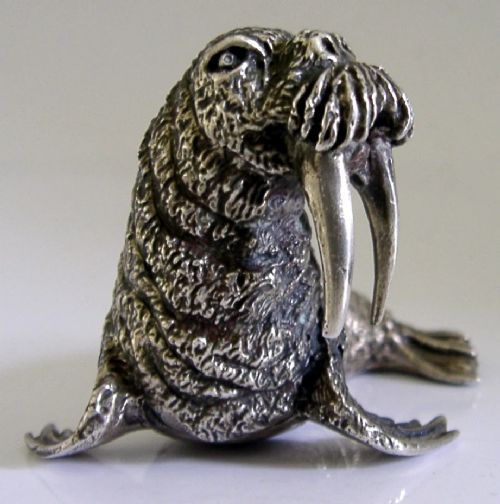
When you search for vintage silver animal sculpture, you find figures ranging from small table ornaments to substantial decorative sculptures depicting birds, hounds, and marine creatures. These objects serve primarily as decorative accents, often capturing wildlife or domestic animals in characteristic poses.
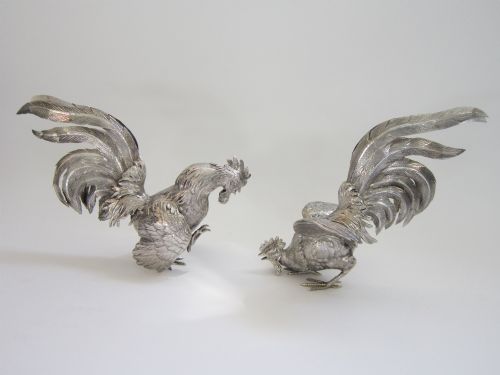
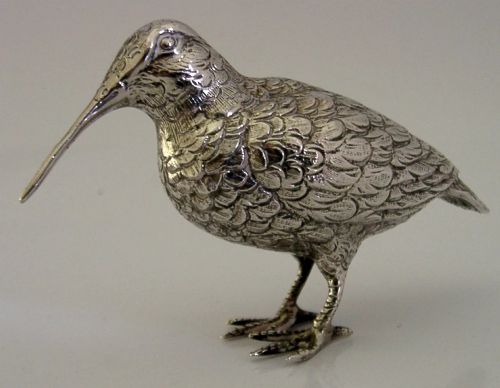
The pieces on this page span several decades and styles, from Edwardian and Victorian works to mid-century British and continental examples. You are most likely to meet solid silver and silvered bronze models of birds like cockerels and woodcocks, alongside running foxes and hounds.
Object types include freestanding table ornaments, mounted figures on marble or ebony plinths, and paired groupings. Makers and studios across Britain and Europe produced these works using diverse purities of silver and mixed metals.
How they were made
Many of these figures utilise solid sterling silver or continental grades such as 833 and 830 silver, shaped through casting and detailed hand-chasing. Silversmiths worked the metal to render feather texture, fur, and muscle definition.
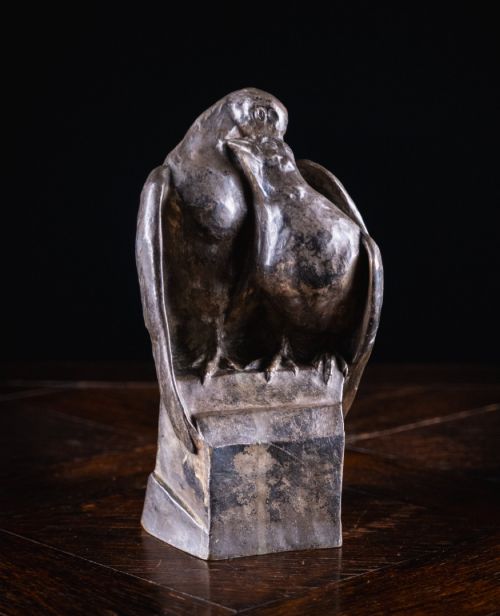
Alternative materials include silvered bronze and nickel bronze, often combined with heavy stone bases made of marble or black ebony. Some pieces employ silver plating over base metal or delicate silver gilt finishes to achieve their distinctive surface appearance.
A pair of fighting cockerels brings a surprising amount of feathered attitude to a quiet bookshelf.
What varies in quality
The standard of a vintage silver animal sculpture rests on the precision of the casting and the depth of the hand-chased surface detail. Finer pieces display realistic anatomical proportions and carefully rendered textures in the feathers or fur.
Quality also shows in the integration of secondary materials, such as heavy marble or ebony plinths that anchor the metal figures securely. Maker signatures, hallmarks, and substantial weight signal higher craftsmanship across both British and continental workshops.
Frederique Cederlund-Ozanne·Karl Hagenaur·Mario Bucellati·Michel Decoux
The Vintage Silver Animal Sculpture Glossary
- Sterling Silver
- A standard alloy consisting of ninety-two point five percent silver and seven point five percent other metals, usually copper. This composition ensures durability while maintaining a bright metallic lustre.
- Silvered Bronze
- A bronze base metal treated with a thin layer of silver or silver solution to give the appearance of solid silver. This technique was common in art deco and mid-century decorative sculptures.
- Hallmark
- An official stamp or series of stamps applied to precious metals in Britain and other countries. It indicates the purity of the silver, the maker, and the year or assay office of testing.
- Chasing
- A metalsmithing technique where the artisan pushes and displaces metal from the front using hammers and punches. This process creates raised surface details like bird feathers and animal fur.
- Plinth
- A heavy base or block supporting a statue or sculpture. In these listings, plinths are frequently fashioned from black ebony or polished marble.
Vintage Silver Animal Sculpture: Frequently Asked Questions
What animals appear most often?
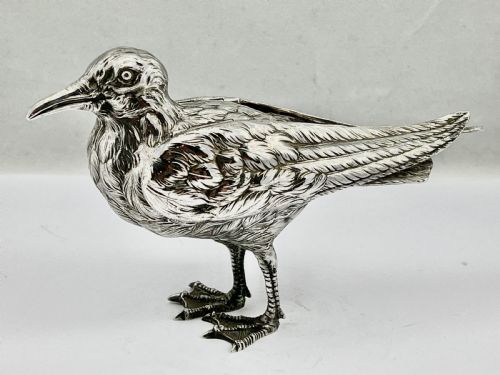
Birds such as cockerels, woodcocks, and wading birds appear frequently alongside foxes, hounds, and race horses. Marine life and large cats also feature in the selection.
These subjects reflect popular themes from country pursuits and continental artistic traditions across the twentieth century.
How do I clean my silver sculpture?
Dust the piece gently with a soft, dry cloth to remove surface particles. Avoid harsh chemical dips that can strip away intentional patina or damage delicate metal finishes.
For stubborn tarnish on solid silver, consult a professional conservator or use a mild silver polish specifically formulated for detailed antiques.
Are these pieces solid silver?
Materials vary across the selection, encompassing solid sterling silver, continental silver grades like 833 and 830, and silvered bronze. Each listing specifies the exact metal composition used by the maker.
Some sculptures incorporate non-metal elements such as marble or ebony plinths for stability and display.
How can I tell the age of a sculpture?
Age is often determined by official hallmarks, maker signatures, and stylistic traits associated with periods like Art Deco or mid-century design. Documentation or engraving on the piece can also provide clues to its origin.
British pieces frequently carry date letters within their hallmarks, while continental items rely on style and regional purity standards.