


Antique Cupid Statue
An antique cupid statue brings neoclassical grace and mythological romance to a room, cast in bronze or carved from fine marble.
Antique Cupid Statue
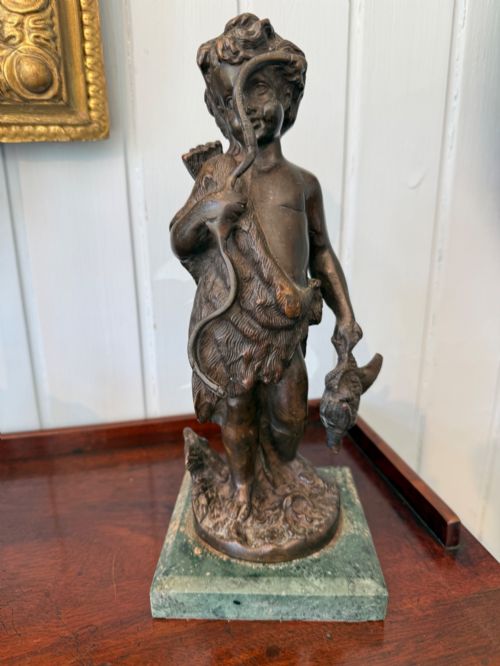
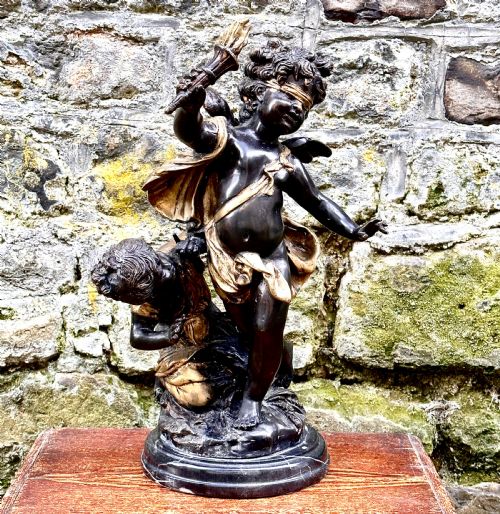
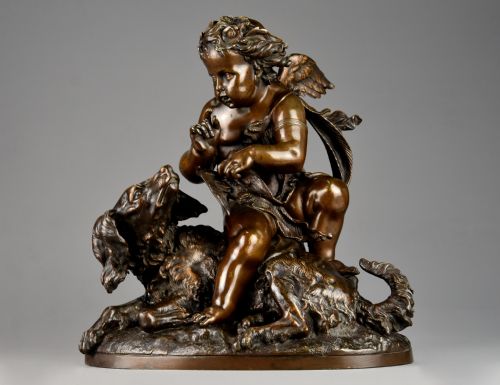
When you search for an antique cupid statue, you are looking at figural sculptures that depict the winged god of love, often shown holding a bow or arrow, or appearing alongside figures like Psyche and spaniel dogs. These pieces span from the eighteenth century to the twentieth century, with nineteenth-century bronze casts and white marble carvings appearing most frequently.
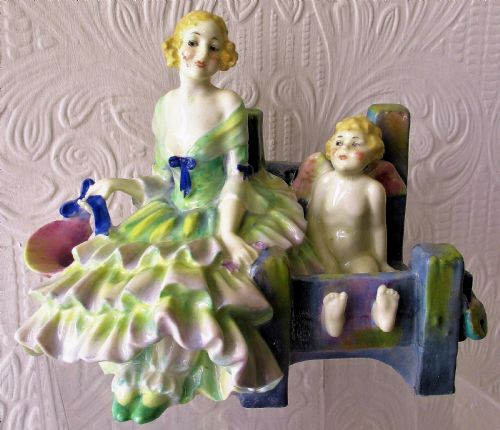
The sculptural forms range from decorative porcelain figurines and glazed ceramic pieces to substantial grand tour bronzes and terracotta works. You will encounter classical representations rooted in mythological narratives, alongside works depicting putti and cherubs linked to French neoclassical and nineteenth-century classical traditions.
Origins vary across European workshops, with French foundries, English potteries, and German porcelain manufacturers contributing distinct regional expressions to the selection. These sculptures served primarily as decorative ornaments for interiors, reflecting changing tastes from Georgian classicism through to Art Deco styling.
Materials and methods
Bronze is utilised extensively, shaped through traditional casting methods and finished with patinated or gilt treatments to accentuate anatomical details and drapery. Marble provides a contrasting medium, carved meticulously to capture the smooth contours of flesh and the intricate texture of wings or hair.
Ceramic and porcelain works involve skilled moulding and high-temperature firing, often enhanced by hand-painted polychrome decoration or left in a pure blanc de chine glaze. Terracotta pieces offer another dimension, shaped from fired clay to retain the immediate touch of the modeller's hand before finishing.
Materials span from bronze and marble to porcelain and terracotta, reflecting both grand sculptural traditions and domestic ceramic artistry.
Evaluating the craftsmanship
Quality rests primarily on the sharpness of the casting and the sensitivity of the carving, where finer examples preserve delicate facial expressions, feather definition in wings, and musculature. In bronze pieces, the depth and nuance of the patina contribute significantly to the visual presence of the sculpture.
The distinction between ordinary production and superior work lies in the hand-finishing applied after the initial casting or moulding process. Signed bases and attributions to known sculptors or porcelain manufactories elevate a piece by confirming the authority of its execution.
Antonio Canova·Paul Scheurich·Richard Avrilli·Louis Auguste Moreau·Aug. Moreau·Denise Delavigne·Clodion·B. Rezl
The Antique Cupid Statue Glossary
- Putto
- A plump, naked child figure, often winged, frequently depicted in classical and Renaissance art. They appear often in sculptural groups alongside cupid.
- Patinated bronze
- A metal sculpture treated with chemical solutions to produce a rich surface colour and finish. This layer protects the bronze and adds depth to the contours.
- Blanc de chine
- A white porcelain glaze originating from China and later adopted by European potteries. It creates a smooth, milky surface that highlights sculptural forms without colour.
- Grand tour
- A cultural journey undertaken by wealthy young Europeans visiting historical sites. Souvenirs collected included small bronze statues cast after classical antiquities.
- Neoclassical
- An artistic movement drawing inspiration from the art and culture of classical antiquity. It values restraint, proportion, and mythological subject matter.
Antique Cupid Statue: Frequently Asked Questions
What is an antique cupid statue made of?
These sculptures are constructed from materials such as cast bronze, carved white marble, and fired terracotta. Other examples utilise glazed porcelain and ceramic.
Each medium imparts a different weight and surface texture to the figure. Bronze allows for dark patination or gilt finishes, while marble offers a smooth, luminous quality.
How do I style a cupid statue at home?
Place a bronze or marble sculpture on a mantelpiece, pedestal, or sturdy wooden side table where the details can be viewed from multiple angles. Smaller porcelain figures sit well within glass-fronted cabinets or on desks.
Pair these pieces with neutral backgrounds to let the metallic patinas or white marble stand out. They complement traditional period interiors as well as eclectic, art-filled rooms.
What is the difference between a cupid and a putto?
Cupid is the specific mythological god of love, often identifiable by attributes such as a bow, quiver of arrows, or romantic narratives involving Psyche. Putti are generic infant spirit figures, frequently winged, that populate decorative scenes.
While cupid is a named character with a specific identity, putti often appear in pairs or groups as decorative attendants. Both types share a visual language of childhood innocence combined with classical form.
How can I tell the age of a bronze cupid?
Examine the quality of the chasing and the characteristics of the surface patination. Nineteenth-century bronzes often display specific casting seams, hand-chased surface details, and rich patinas built up over decades.
Signatures or foundry marks stamped onto the base provide further chronological clues. Comparing the styling of the hair, wings, and pedestal base to known period works helps confirm the date.