



Winged Putto Sculpture
These winged putto sculpture pieces bring the classical warmth of carved wood and patinated bronze into a room.
Winged Putto Sculpture
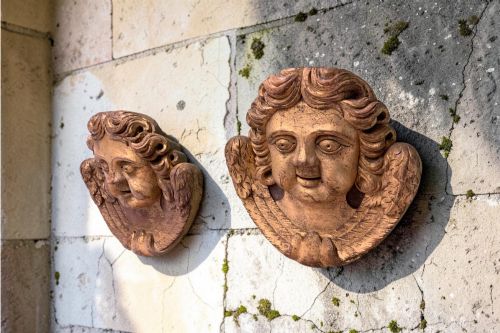
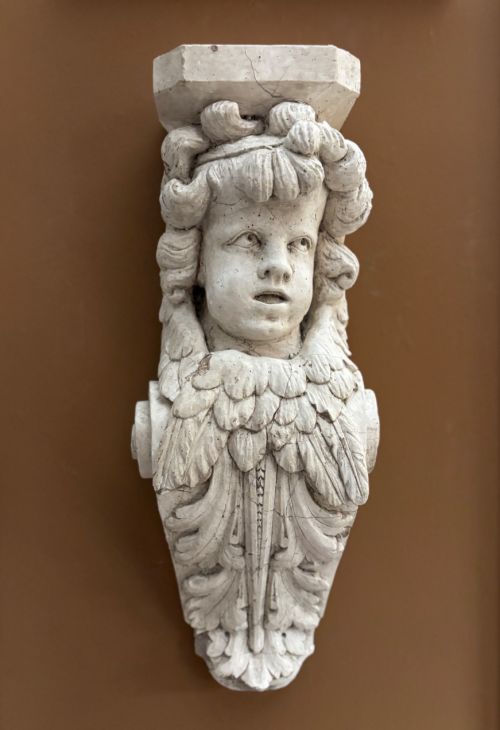
When you search for a winged putto sculpture, you encounter figures drawn from Baroque and Neoclassical traditions. These pieces appear as wall brackets, corbels, and free-standing figures in bronze and oak.
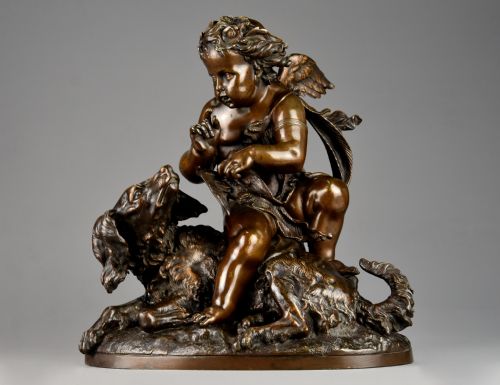
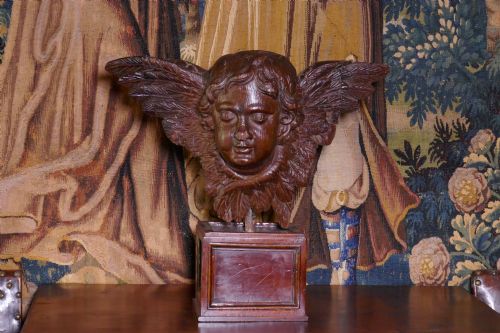
The versions most commonly met on this page date from the nineteenth century, including French and Italian interpretations of cherubs and cupids. They range from single wall carvings to figures paired with animals or seated on inlaid wood bases.
How they were made
Bronze sculptures utilise casting methods that capture fine detail, often finished with patination or gilding. Signatures from founders or artists occasionally appear on the metal surface.
Carved wood pieces utilise oak, shaped with hand gouges and chisels to form detailed cherub heads and figures. Plaster and composition also serve as materials for moulded decorative elements.
Periods represented on this page range from the seventeenth century through the Victorian era and into nineteen hundred.
What varies in quality
The definition in the carving separates workshop output, where oak cherub heads show crisp feather and hair detail against softer passages. In metalwork, the clarity of the cast and the depth of the patinated bronze determine the success of the piece.
Proportion and stance distinguish standard decorative pieces from more ambitious sculptural groups, such as figures paired with dogs or arranged as altar angels. The integration of secondary materials, like inlaid wood bases, alters the character of the object.
Louis Auguste Moreau·Charles Cumberworth·Ferrand
The Winged Putto Sculpture Glossary
- Putto
- A figure of a small winged infant, frequently used in Baroque and Neoclassical art. They appear in both religious and secular contexts as winged attendants.
- Corbel
- A structural piece of stone, wood, or metal projecting from a wall to carry a weight. In these listings, they take the form of carved wooden cherubs.
- Patinated bronze
- Bronze that has been treated chemically or naturally to produce a coloured surface film. This finish accentuates the contours of the sculpture.
- Baroque
- An artistic style prevalent in the seventeenth and eighteenth centuries characterised by dynamic movement and exuberant ornamentation. Italian and French makers revived these motifs in later periods.
Winged Putto Sculpture: Frequently Asked Questions
What is the difference between a putto and a cherub?
A putto represents a winged infant of classical mythology, often associated with Cupid or secular love. A cherub derives from biblical tradition, though the terms are frequently used interchangeably in nineteenth-century sculpture.
Craftsmakers of the period applied both labels to carved oak heads and bronze figures alike, making form and context the primary guides to their origin.
How do I identify a nineteenth-century bronze?
Nineteenth-century bronzes often display specific casting techniques, rich patination, and occasional artist signatures on the base. The weight and colour of the metal indicate the period of production.
French and Italian foundries of this era produced numerous variations of cupids and putti, utilising traditional lost-wax or sand-casting methods.
Where were wall corbels placed in a historic interior?
Wall corbels and brackets served primarily as architectural supports for shelves, cornices, or beams. Carved wooden cherubs functioned as decorative consoles within domestic or ecclesiastical spaces.
Their projection from the wall allowed the carved wings and drapery to catch directional light in a room.
How should I clean patinated bronze?
Patinated bronze requires only gentle dusting with a soft cloth to preserve the chemical finish. Oils from the skin can affect the surface over time, so handling should be kept minimal.
Harsh cleaning agents and water must be avoided, as they strip the historical patination from the metal.