


Bronze Figural Group
These bronze figural group pieces capture complex narratives in metal, offering collectors characterful multi-figure compositions rendered with exceptional sculptural depth.
What these pieces are
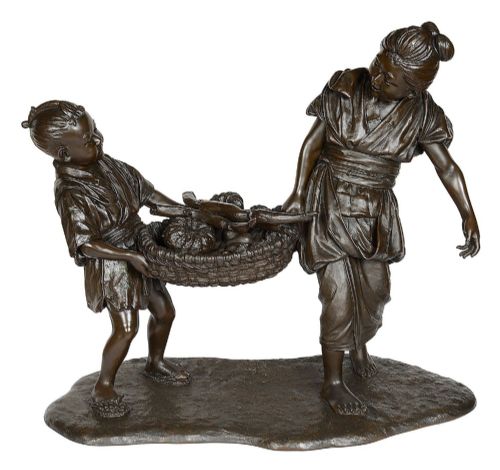
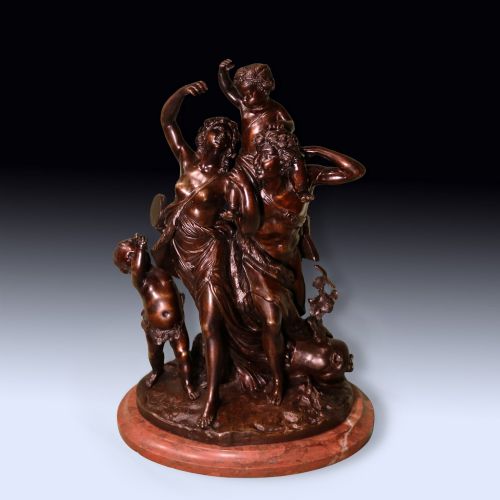
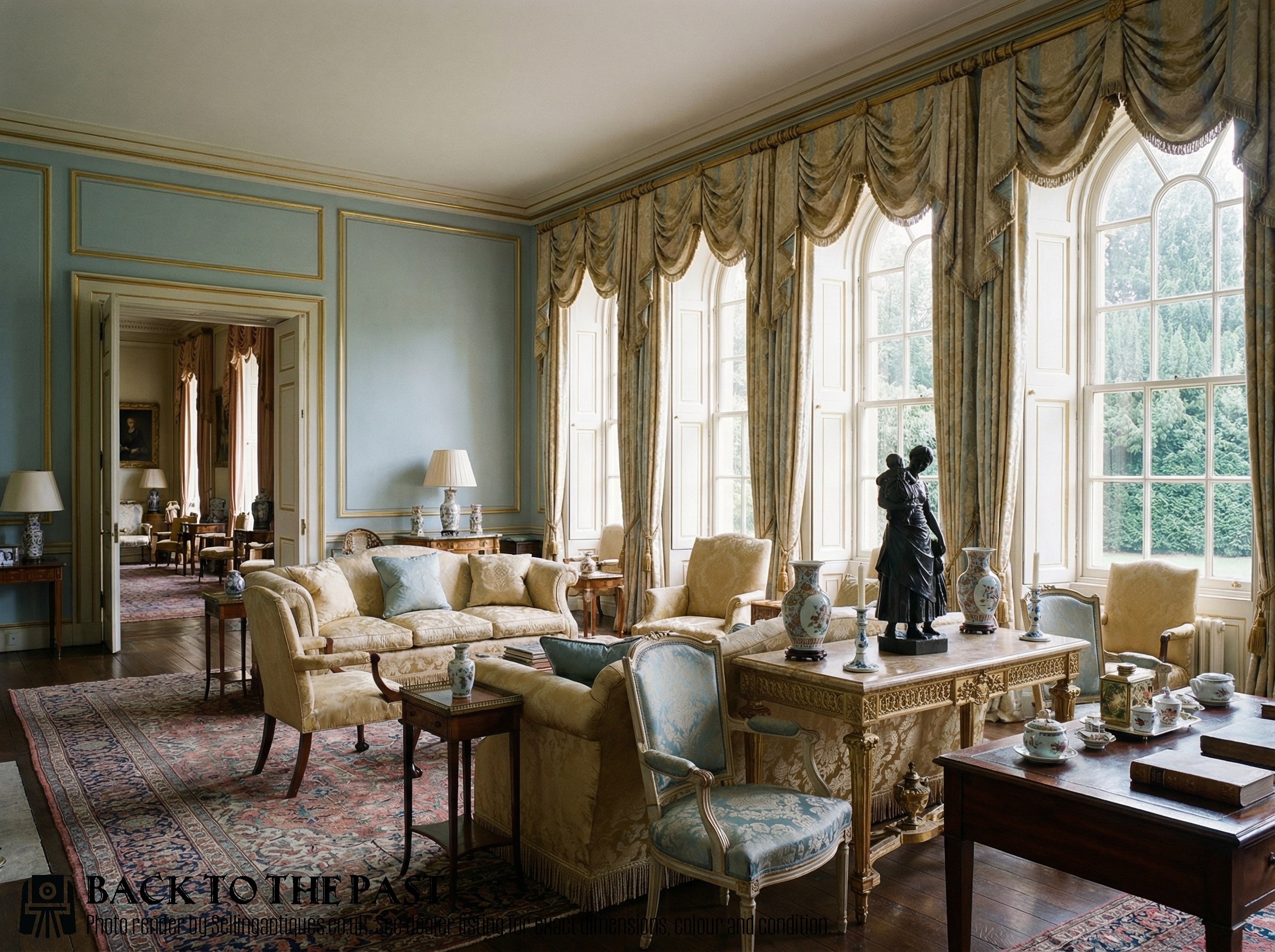
A bronze figural group brings together multiple figures within a single composition, capturing narrative scenes, mythological subjects, or domestic moments. The examples found here span the nineteenth century, including Japanese Meiji period works, French neoclassical and realist interpretations, and Art Nouveau designs.
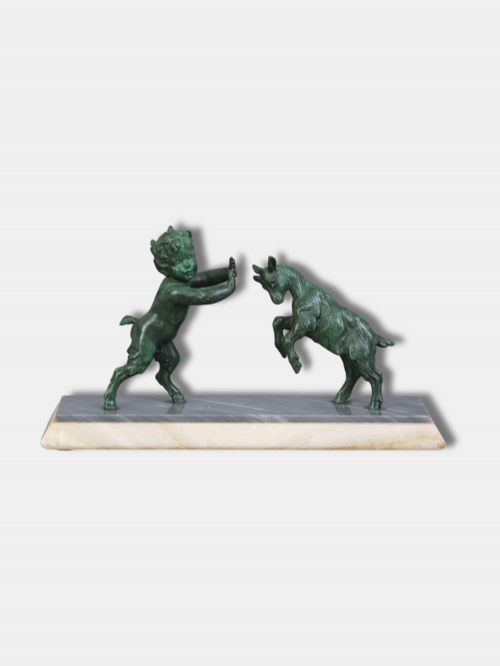
The most common formats on this page feature sculptural groups of figures, such as mothers with children, musical putti, or animals like goats paired together. These pieces often incorporate wooden or marble plinths to support the weight and complete the presentation of the cast metal.
Origins vary across European and Asian workshops, with French nineteenth-century castings appearing alongside Austrian cold-painted works and Japanese bronze creations. Each object presents a distinct theatricality or quiet intimacy depending on the regional style and period of its creation.
How they were made
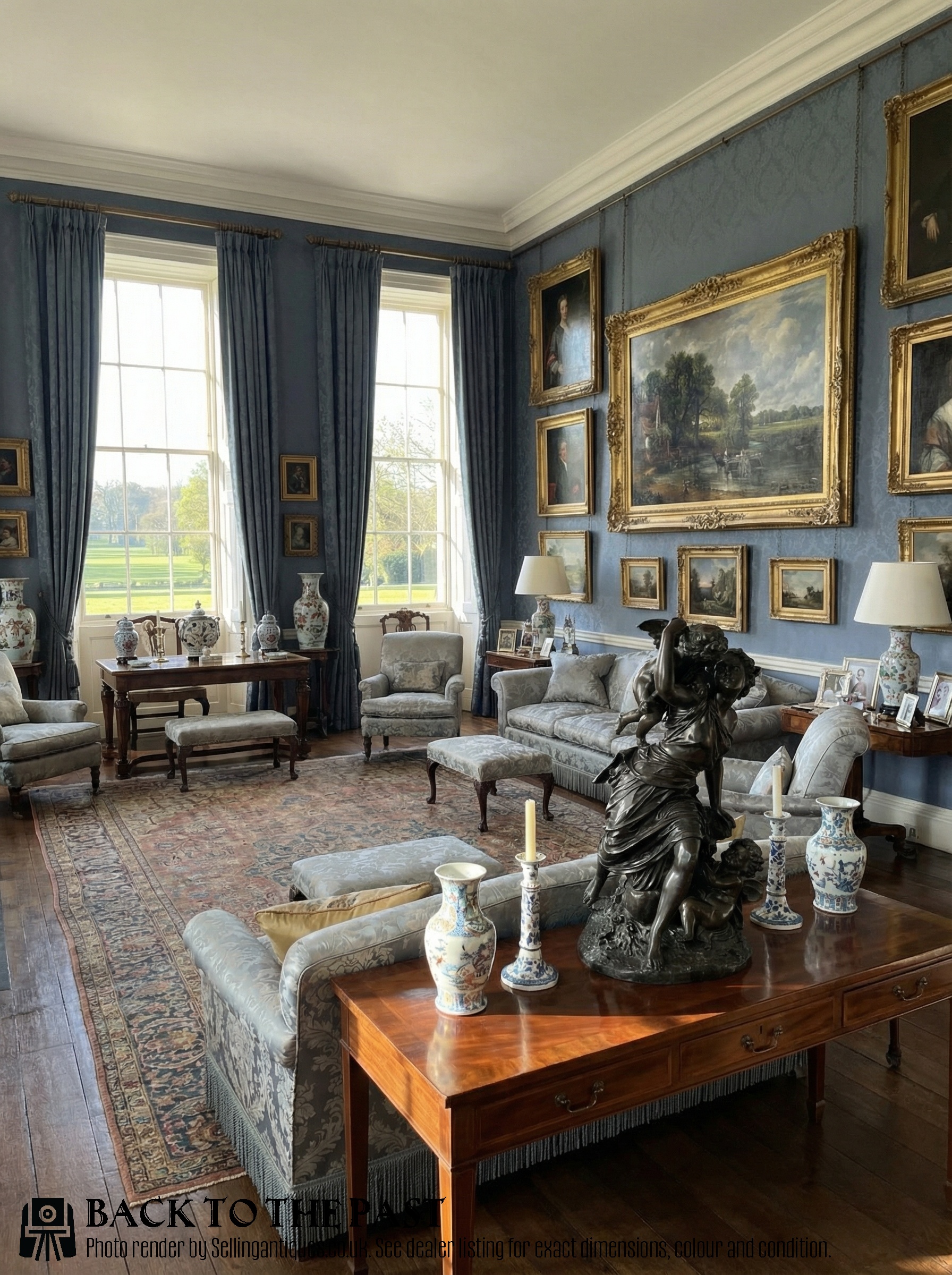
These works rely on traditional metal casting techniques, primarily utilising bronze to achieve durable and expressive three-dimensional forms. Molten metal is poured into moulds to capture fine anatomical details and complex drapery across multi-figure arrangements.
Surface treatments play a crucial role in the finishing process, with dark patina, silvering, and gilt bronze applied to enhance visual depth. Cold painting techniques also appear on specific Austrian pieces, adding polychrome details directly onto the metallic surface.
Retail Price Guide 2026
Typical UK retail prices for bronze figural group, calculated from the Sellingantiques database of over a million retail prices indexed since 2003. This retail price guide relies exclusively on Sellingantiques data; no external sources or auction records are used, so the figures do not describe the wider market.
Styles recorded in the archive range from French Neoclassical and Art Nouveau to Meiji period Japanese craftsmanship and nineteenth-century realism.
What varies in quality
The sophistication of the chasing and finishing work distinguishes superior castings from simpler productions. Master sculptors and skilled foundries ensured that facial expressions, hair texture, and clothing folds remained sharp and distinct after the metal cooled.
The treatment of the surface patina dictates much of the visual impact. Deep, nuanced patination or well-preserved gilding demonstrates careful historical upkeep and high-grade initial metal preparation.
Auguste Moreau·Antoine Bofill·Franz Bergmann·Claude Michel Clodion
The Bronze Figural Group Glossary
- Patina
- A chemical or natural film on the surface of the bronze resulting from age or deliberate treatment. This layer changes the colour and tone of the metal.
- Gilt Bronze
- Bronze that has been coated with a thin layer of gold or gold leaf. It creates a bright, reflective finish often seen in French neoclassical works.
- Putti
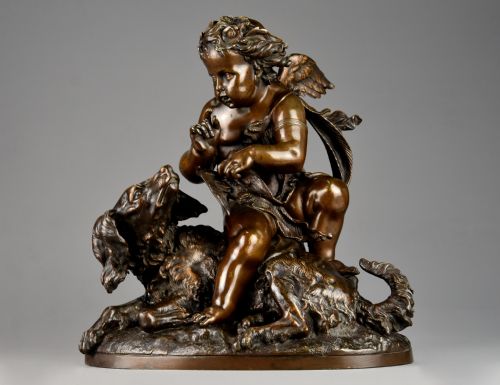
- Representations of chubby, winged infants derived from classical art. They frequently appear in musical or playful groupings throughout nineteenth-century sculpture.
- Cold Painted
- A method where paint is applied to a cold bronze object rather than fired on at high temperatures. This technique is typical of specific Austrian figural works.
Frequently Asked Questions
What is a bronze figural group?
A bronze figural group is a sculpture composed of two or more figures cast together in bronze. These pieces tell a story or depict a shared moment between humans, animals, or mythological beings.
Such works range from classical putti and allegorical scenes to Japanese mother and child compositions and realist animal studies.
How do I care for a bronze sculpture?
Bronze requires minimal intervention, needing only gentle dusting with a soft, dry cloth to prevent particulate build-up. Avoid using harsh chemical cleaners or polishes that can strip away the original patina.
Keep the piece away from direct heat sources and high humidity to protect any wooden or marble bases attached to the sculpture.
How can I tell the period of a bronze?
Dating relies on examining the style, the casting technique, and the character of the surface patina. Nineteenth-century works often reflect specific movements like Art Nouveau, French Neoclassical, or Realism.
Signatures or foundry marks stamped into the metal can also provide concrete clues to the date and origin of the cast.
Are these sculptures solid bronze?
Many figural bronzes are hollow-cast to reduce weight and material costs, using the lost-wax or sand-casting method. This technique allows for complex multi-figure compositions without making the object excessively heavy.
Heavier elements or bases may incorporate wood, marble, or solid internal supports to ensure stability.