
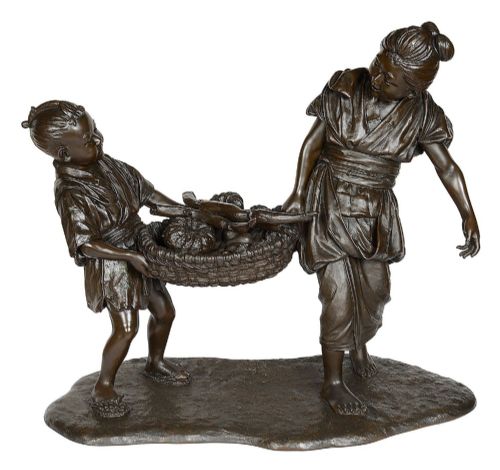
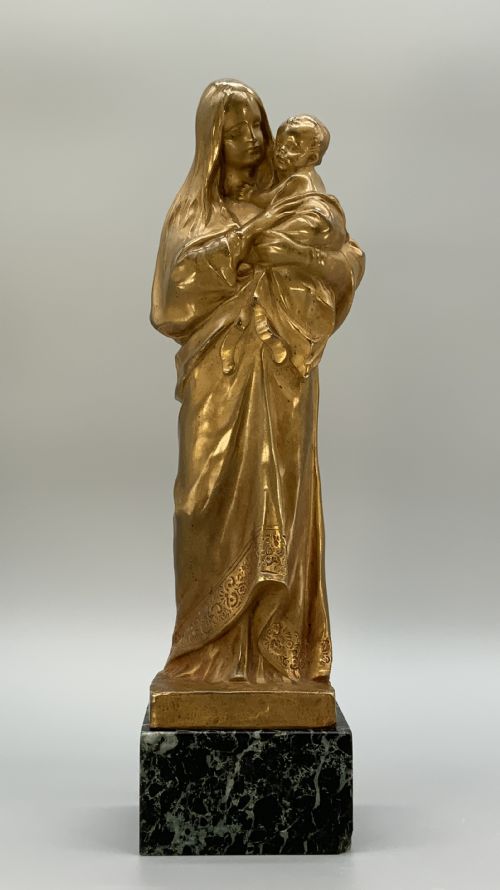



Bronze Mother and Child
These bronze mother and child figures capture enduring affection across global traditions, offering tangible warmth and artistic heritage for your home.
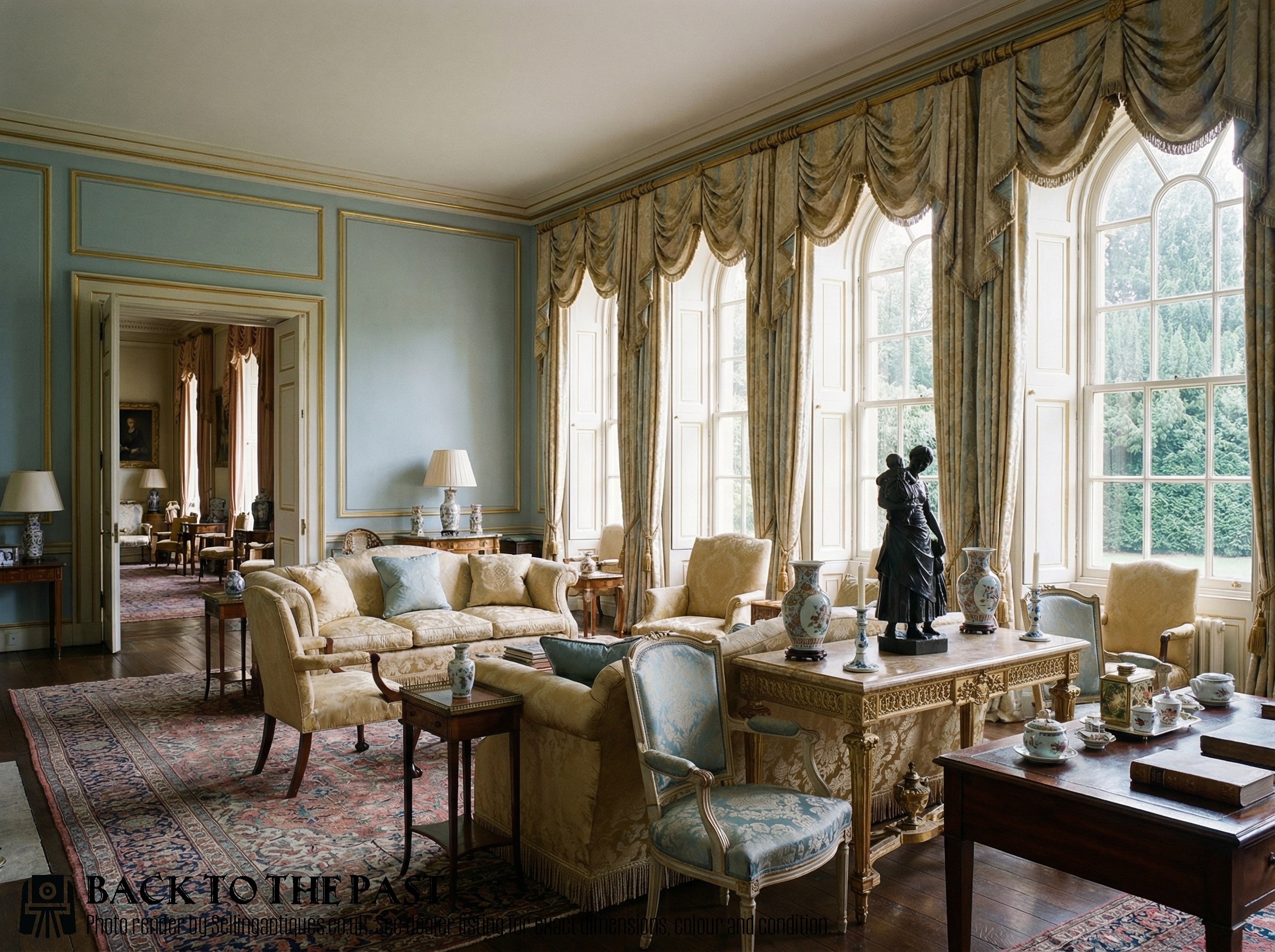
Bronze Mother and Child
A bronze mother and child brings together sculptural figures spanning Victorian Grand Tour items, Art Deco stylings, and 19th-century French realism. Collectors seek these pieces for their expressive depictions of maternity, rendered through diverse cultural lenses from Japanese Meiji works to African tribal art.
You will encounter various interpretations under this search phrase, ranging from classical Greco-Roman revivals and religious Madonna motifs to secular family studies. The forms vary from intimate tabletop statues and large-scale groups to wall plaques and cast metal objects.
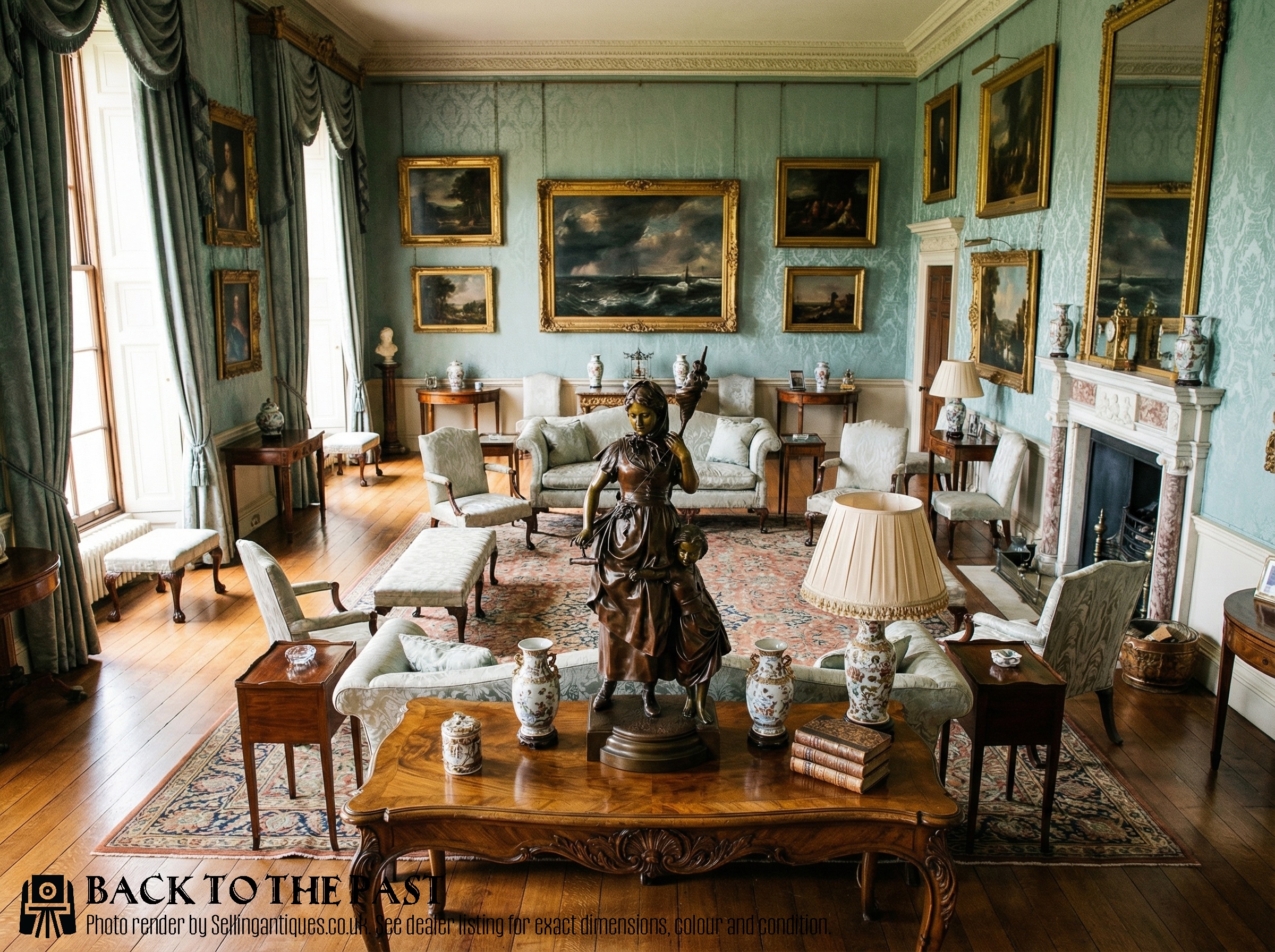
Materials and Construction
Foundry work relies heavily on traditional casting methods, utilising bronze alloys alongside alternative metals like spelter. Artisans enhance these surfaces with dark patinas, gilt bronze applications, silvered finishes, and brown patinated treatments.
Many sculptures incorporate mixed media bases, pairing cast metal figures with contrasting plinths made from marble or onyx to support the weight and elevate the presentation.
Listings feature periods ranging from the Victorian era and 19th-century French schools to 1930s Art Deco and mid-century modern works.
Evaluating Quality and Detail
Quality rests in the crispness of the casting and the sensitivity of the chisel work applied after the metal leaves the mould. Finer pieces retain sharp facial expressions, delicate drapery folds, and careful hand-finishing on hair and fingers.
The sophistication of the patina distinguishes standard production from superior examples, with nuanced colouration and depth adding visual weight to the composition. Base materials also play a role, as genuine heavy bronze and carefully fitted marble or onyx mounts signal higher production values than lighter alloys.
Hans Müller·Antonio Merente·P. Sega·Auguste Moreau·Lucien Madrassi·Xavier Raphanel·Carrier
The Bronze Mother and Child Glossary
- Patina
- The surface sheen and chemical coloration developed naturally over time or applied chemically by the foundry. This finish protects the metal and defines the sculptural contours.
- Spelter
- A zinc-based alloy commonly utilised as a cost-effective alternative to bronze. It often receives a bronze-coloured coating to mimic heavier metal.
- Grand Tour
- A cultural journey undertaken by 19th-century Europeans who acquired small bronzes and classical replicas as mementos. These figures frequently replicate ancient statuary.
- Lost-wax casting
- A historic method where a model is encased in wax, melted out, and replaced with molten bronze. This technique allows for intricate details and undercut forms.
- Gilt bronze
- Metal coated with a thin layer of gold or gold-coloured alloy to impart a bright, reflective finish. It appears frequently in decorative European pieces.
Bronze Mother and Child: Frequently Asked Questions
How do I clean a bronze sculpture?
Dust the surface regularly with a soft, dry cloth to prevent grime accumulation.
Avoid using water, soap, or chemical polishes, as these can strip the original patina and damage the metal.
Are all these pieces solid bronze?
The selection includes solid cast bronze alongside alternative materials such as spelter and mixed-metal compositions.
Checking the weight, magnetism, and underside can help clarify the specific metal used in each sculpture.
What is the difference between Art Deco and Victorian pieces?
Victorian examples lean towards classical realism, religious iconography, and ornate detailing inspired by earlier epochs.
Art Deco works favour streamlined geometries, stylised figures, and simplified forms characteristic of the interwar period.
Can these sculptures be displayed outdoors?
Most antique bronze and cast metal figures are intended for indoor display where humidity and temperature remain stable.
Outdoor placement exposes the metal and marble bases to moisture, which can accelerate corrosion and degrade patinas.