
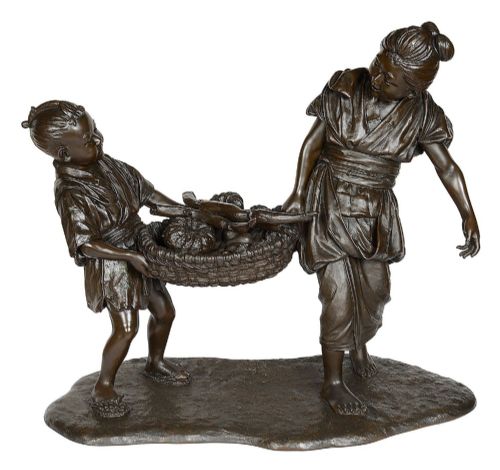
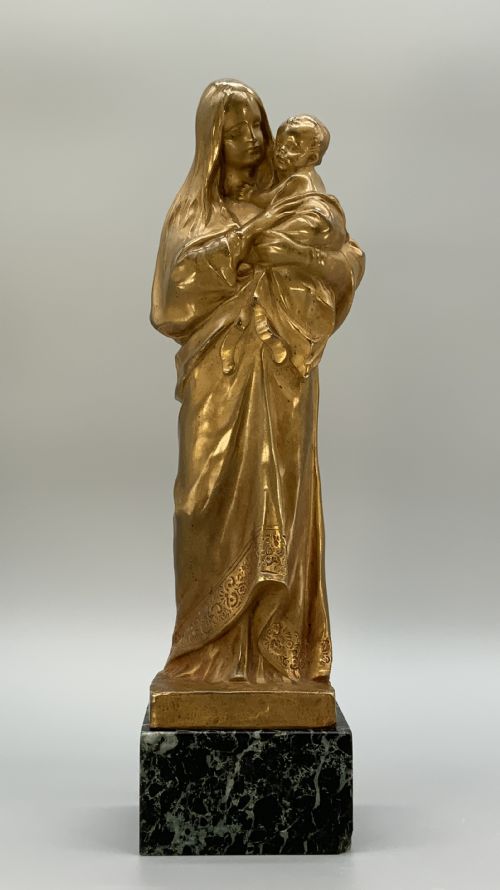
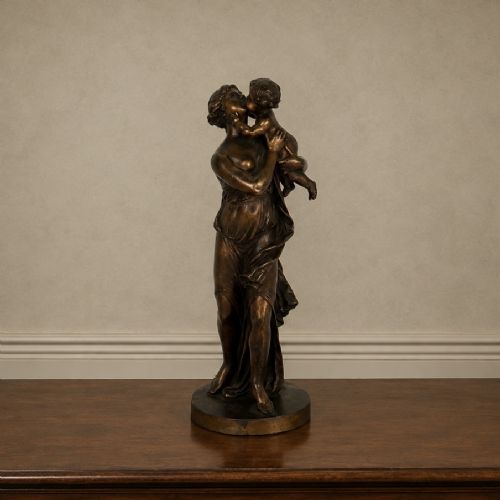


Bronze Mother Child Sculpture
These bronze mother child sculpture pieces capture tender domestic moments across diverse global traditions, offering enduring warmth to any room.
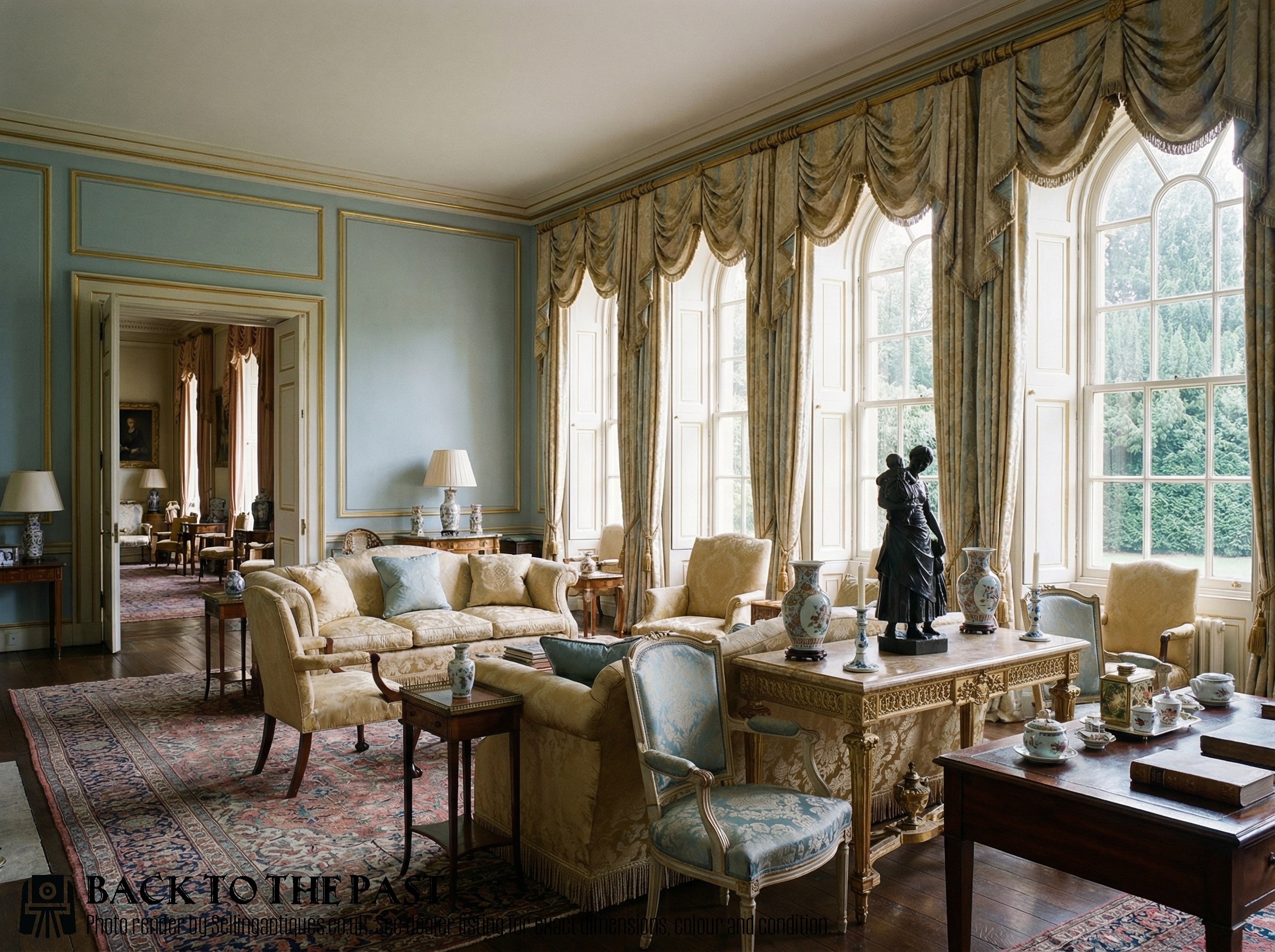
Bronze Mother Child Sculpture
A bronze mother child sculpture represents familial affection through figurative metalwork, spanning neoclassical interpretations, Art Deco designs, and traditional African or Asian forms. Buyers searching this phrase encounter everything from classical Grand Tour figures to mid-century studies.
The selection ranges widely in scale and cultural origin, featuring Japanese nineteenth-century casts alongside European salon bronzes and French mantle pieces. Wall plaques and freestanding statues alike capture the universal theme of maternity in cast metal.
How they were made
Most pieces utilise traditional metal casting techniques, primarily working in bronze, gilt bronze, and silvered bronze, occasionally complemented by spelter or cast metal alternatives. Surface finishes vary from dark patina to polished highlights that accentuate the figures.
Many sculptures incorporate integral bases of marble or onyx, anchoring the heavier metal compositions and providing a stable display plinth. These mixed materials reflect the decorative priorities of their respective periods.
Listings feature works spanning the nineteenth century through to the mid-twentieth century, utilising bronze, marble, onyx, and spelter across various global art styles.
What varies in quality
The nuance of facial expression and the fluidity of drapery distinguish superior casts from simpler commercial productions. Artisanal skill is evident in the crispness of the chasing and the depth of the patination.
The integrity of the material base and the weight of the cast indicate the standard of production, separating heavier monumental works from lighter decorative items.
Hans Müller·Antonio Merente·P. Sega·Auguste Moreau·Lucien Madrassi·Xavier Raphanel·Coalbrookdale·Carrier
The Bronze Mother Child Sculpture Glossary
- Patina
- The surface coloration and sheen developed naturally over time or applied chemically by the foundry. This chemical treatment protects the metal and defines the aesthetic depth of the sculpture.
- Spelter
- A zinc alloy frequently utilised as a cost-effective substitute for bronze during the nineteenth and twentieth centuries. It often receives a bronze-like coating to mimic more expensive metalwork.
- Grand Tour
- A cultural journey undertaken by nineteenth-century Europeans collecting classical art and souvenirs. Figures acquired on these trips often referenced ancient Greek and Roman motifs.
- Gilt Bronze
- Bronze metal coated with a thin layer of gold or gold-coloured alloy for decorative brilliance. This technique highlights specific details of the sculptural group.
Bronze Mother Child Sculpture: Frequently Asked Questions
How do I clean my bronze sculpture?
Dust the surface gently with a soft, dry cloth to remove everyday particles. Avoid chemical polishes that can strip the original patina.
Apply a microcrystalline wax very sparingly if protection against atmospheric moisture is necessary. Buff the surface lightly afterwards with a clean flannel cloth.
What is the difference between bronze and spelter?
Bronze is a durable copper alloy valued for its strength and ability to hold fine casting detail. Spelter uses a softer zinc base that is lighter and more vulnerable to bending.
Inspect the underside or unpainted areas to determine the base metal. Spelter often shows a greyish metal beneath chips in the finish.
Are these sculptures signed by the artist?
Many nineteenth and twentieth-century salon pieces bear foundry marks or cast signatures near the base. These inscriptions help identify the creator or production house.
Unsigned works remain common, particularly in regional, tribal, or outsider art categories where individual attribution is secondary to the form.
Where should I display a heavy bronze figure?
Select a sturdy piece of furniture capable of supporting considerable weight, especially for marble-based sculptures. Ensure the display area remains away from excessive moisture and direct sunlight.
Position the sculpture at eye level or slightly below to fully appreciate the interaction between the figures. Adequate clearance protects protruding limbs from accidental knocks.