


Victorian Bronze Group Statue
A victorian bronze group statue brings together classical subjects, animals, and mythological figures cast in metal during the nineteenth century.
Victorian Bronze Group Statue
When you search for a victorian bronze group statue, you encounter multidimensional sculptural works featuring figures, animals, and mythological scenes. These pieces originate primarily from the nineteenth century, including specific dates from eighteen eighty to eighteen ninety, and capture subjects ranging from neoclassical narratives to animalier studies.
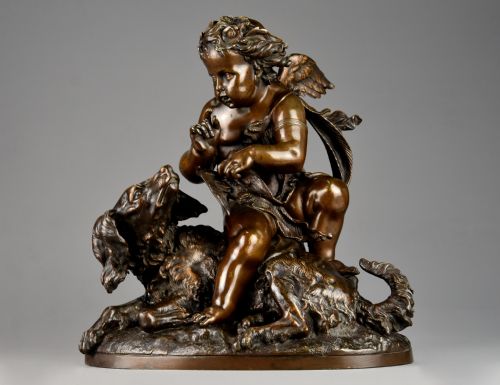
The most common versions on this page are French and English animalier and mythological groups, often cast as multiple figures interacting. You will regularly find representations of putti, hunting dogs, hares, and bacchic groups, reflecting the sculptural tastes of the period.
Distinctions in execution
Quality in a victorian bronze group statue rests on the crispness of the chasing and the nuance of the patina. Finer examples retain sharp definition in hair, feathers, and facial expressions after the casting process, whereas lesser works show softening in the secondary details.
The integration between the bronze figures and their marble pedestals also separates standard productions from superior pieces. Stronger compositions balance the weight of the metal harmoniously with the grain and proportion of the underlying stone mount.
Winged putti and spaniel dogs share the stage in nineteenth-century bronze casting.
Auguste Moreau·Auguste Nicholas Cain·Carl Kauba·Alfred Dubucand·John Willis Good
The Victorian Bronze Group Statue Glossary
- Animalier
- A nineteenth-century sculptural focus on animals, often depicted with anatomical realism and natural behaviour. This genre includes realistic portrayals of dogs, hares, and wildlife.
- Patina
- The surface coloration and finish applied to or developed on bronze over time. A dark patina is commonly used to accentuate the contours and depth of the metal.
- Ormolu
- Gilt bronze decoration applied to furniture or sculptural mounts. It provides a bright metallic contrast against dark patinated bronze elements.
- Neoclassical
- A style drawing inspiration from the classical art and culture of ancient Greece and Rome. Works in this vein often depict mythological figures, putti, and semi-nude forms.
- Putto
- A figure of a small infant, frequently winged, appearing in classical and mythological art. These figures often play with grapes or interact with animals in nineteenth-century groups.
Victorian Bronze Group Statue: Frequently Asked Questions
What is a bronze group statue?
A bronze group statue is a sculptural work comprising two or more figures, animals, or mythological subjects cast together in bronze. These nineteenth-century pieces often depict narrative scenes or naturalistic animal studies.
Many examples are mounted on marble bases, combining heavy metal casting with polished stone pedestals to display complex multi-figure compositions.
Where were these bronzes made?
The pieces originate predominantly from French and English workshops and foundries active during the Victorian era. Prominent sculptors working within these regions produced animalier studies and classical groupings.
French 19th-century works and English productions represent the primary geographic origins found among these nineteenth-century sculptures.
How do I display a bronze group?
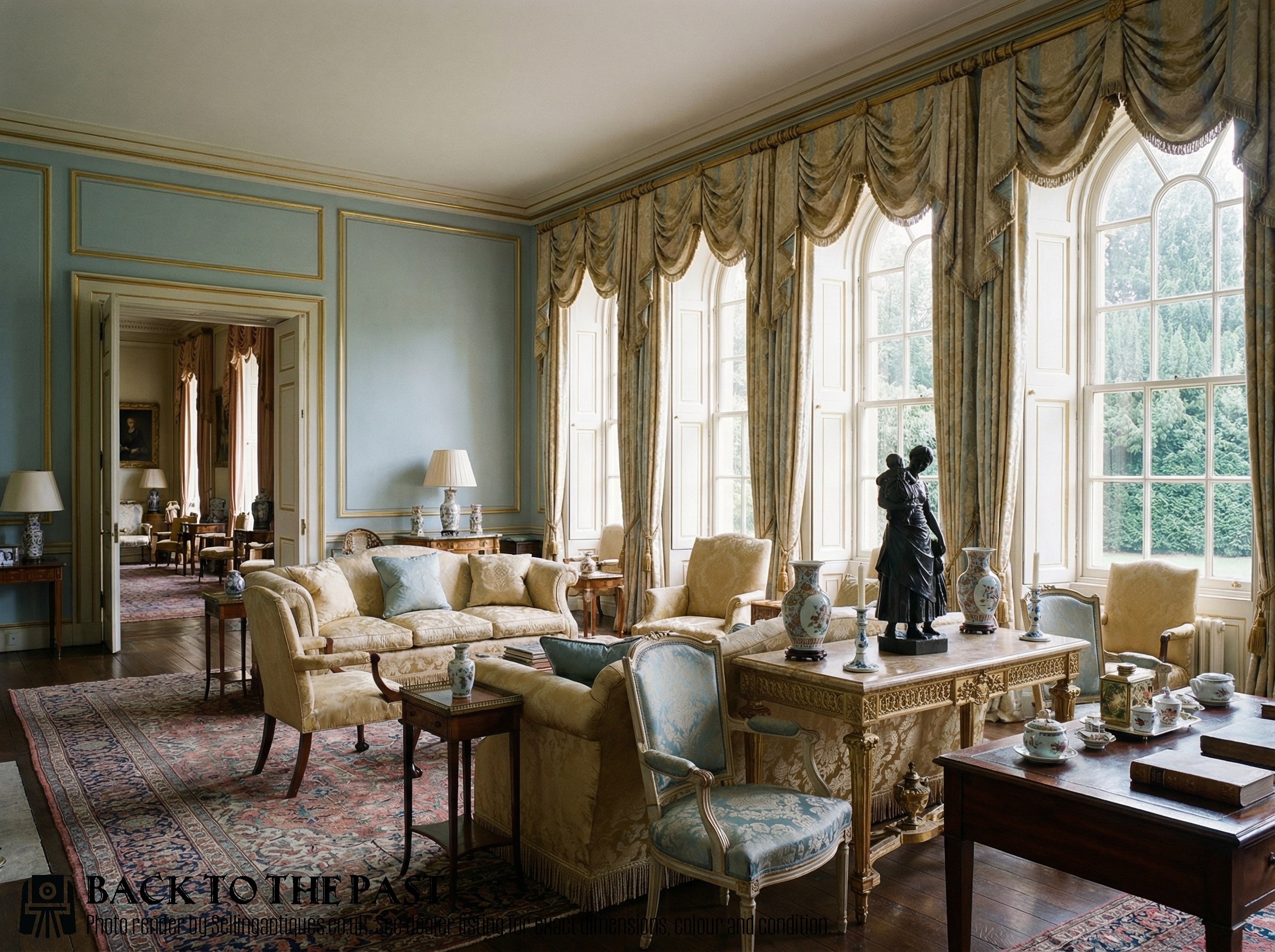
These sculptures require a sturdy surface such as a heavy sideboard, console table, or dedicated pedestal due to the combined weight of the bronze and marble. Placement should avoid direct, harsh sunlight to protect patinated finishes.
Ensuring adequate space around the piece allows the multi-figure composition to be viewed clearly from multiple angles.
How do I care for patinated bronze?
Maintenance involves gentle dusting with a soft, dry cloth to prevent the accumulation of grit within the recessed details of the casting. Chemical cleaners and abrasives should be avoided as they strip the original patina.
Marble bases can be wiped with a damp cloth and dried immediately to maintain their polished appearance without affecting the adjacent metal.
What subjects are most common?
Common subjects include hunting dogs, hares, and wildlife created by animalier sculptors, alongside classical and mythological scenes involving putti, maidens, and bacchic figures. These themes reflect nineteenth-century artistic preferences.
Works frequently capture narrative moments, such as motherly love or hunting hounds following a scent.