




Decorative Gilt Bronze Statuette
A decorative gilt bronze statuette brings warmth and classical presence to a room, cast in gleaming metal and mounted with care.
Decorative Gilt Bronze Statuette
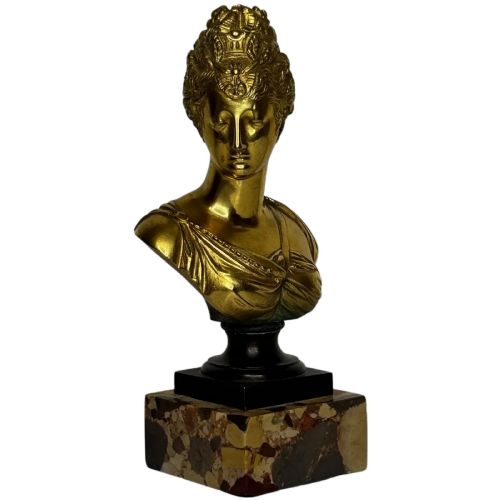
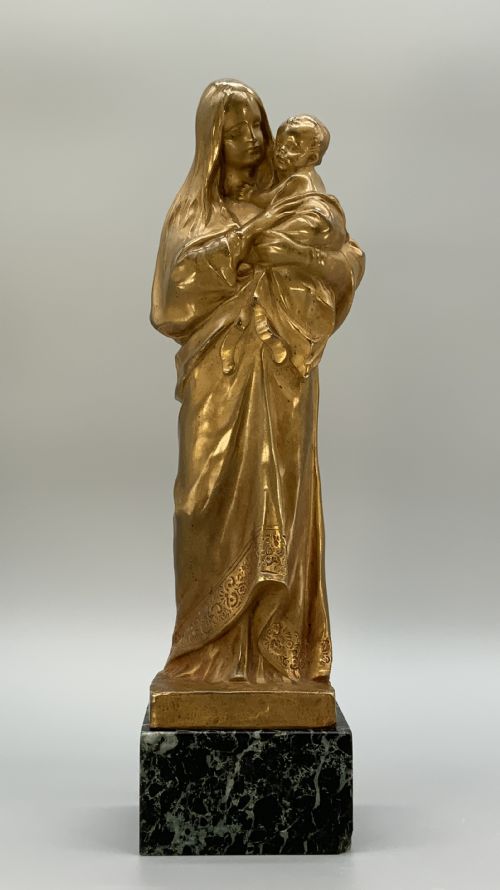
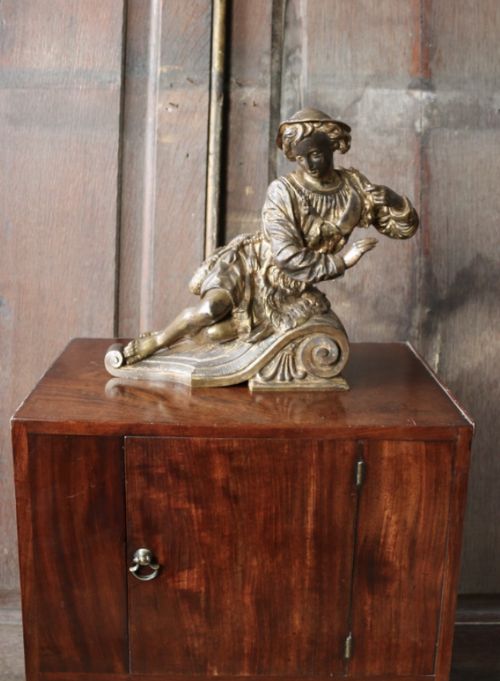
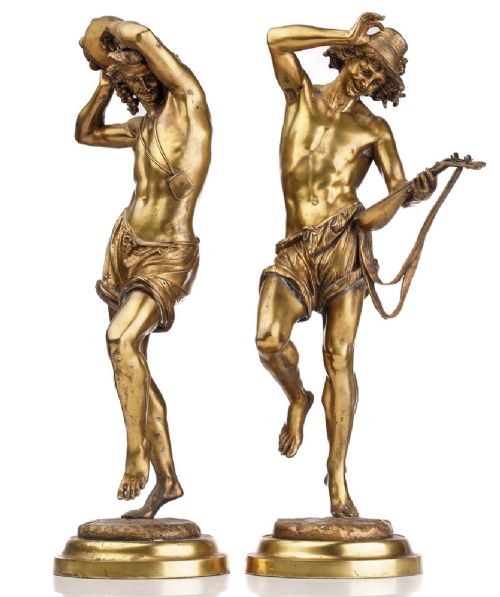
A decorative gilt bronze statuette captures small figures, animals and busts cast in metal and finished with a gold-toned surface. When you search for a decorative gilt bronze statuette, you meet works spanning the eighteenth, nineteenth and early twentieth centuries.
The selections on this page include mythological subjects, religious figures, classical portraits and animal studies. French Renaissance Revival, Art Nouveau, Neoclassical and Art Deco styles appear frequently among the listings.
Makers and sculptors of note such as Hans Müller and Albert Ernest Carrier-Belleuse contribute to the variety. Many pieces incorporate bases of marble, onyx or olive wood to elevate the metalwork.
How they were made
Foundries shaped these sculptures using traditional metal casting techniques, pouring molten bronze or brass into moulds. Artisans then applied fire gilding or ormolu finishes to impart a rich golden lustre to the surfaces.
Detailing was achieved through careful chasing and engraving once the metal cooled. Many statuettes were subsequently mounted onto plinths of marble, onyx or olive wood, sometimes complemented by mineral inlays.
One cheerful cast brass eagle arrives directly from a personal collection, bringing a distinct personality to the lineup.
What varies in quality
Quality rests in the crispness of the cast and the depth of the chasing, where finer examples preserve sharp facial expressions and intricate drapery. The richness and preservation of the gilt surface also distinguish superior pieces from simpler metalwork.
The choice and execution of the base material further define the standard of a work. Well-fitted marble, onyx or carved olive wood mounts indicate a higher grade of overall production.
Hans Müller·Albert Ernest Carrier-Belleuse
The Decorative Gilt Bronze Statuette Glossary
- Gilt bronze
- Metal alloy coated with a layer of gold. It provides a durable and radiant surface finish.
- Ormolu
- Synonym for gilded bronze, particularly associated with decorative mounts and statuary from the eighteenth and nineteenth centuries. The term derives from French describing ground gold.
- Chasing
- The art of finishing metal by hand with punches and hammers. This technique sharpens details and textures after casting.
- Patina
- The surface coloration and sheen developed through age and handling. It often indicates the authentic age of a bronze object.
Decorative Gilt Bronze Statuette: Frequently Asked Questions
What periods do these statuettes come from?
The pieces span several centuries, with examples originating from the eighteenth, nineteenth and early twentieth centuries.
Stylistic influences range from classical French Rococo and Neoclassical designs to later Art Nouveau and Art Deco movements.
How should I clean a gilt bronze statuette?
Maintenance requires only gentle dusting with a soft, dry cloth to prevent the accumulation of dirt.
Harsh chemical polishes must be avoided entirely, as they can strip away the delicate gilt surface and alter the underlying metal.
Where were these sculptures displayed originally?
Such figures served as mantelpiece ornaments, cabinet displays and desk accessories in period interiors.
Their compact scale allowed them to be placed easily within private studies, libraries and formal reception rooms.