

Austrian Bronze Statue
An austrian bronze statue brings exceptional warmth and character to a room through meticulous metalwork and vibrant pigment.
Austrian Bronze Statue
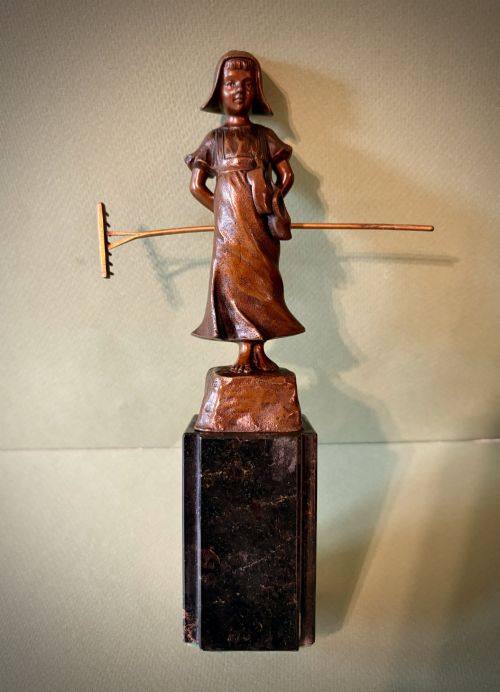
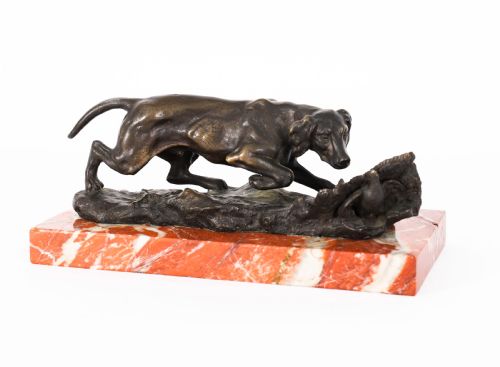
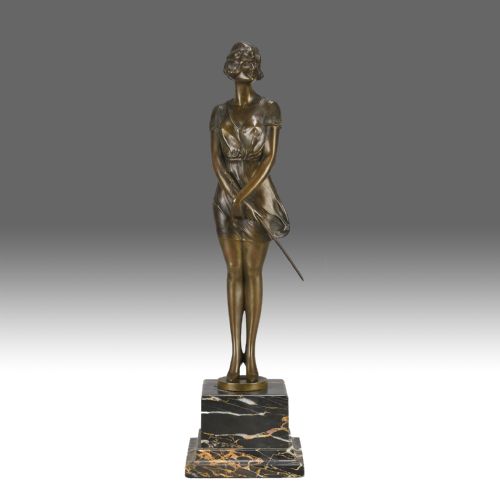
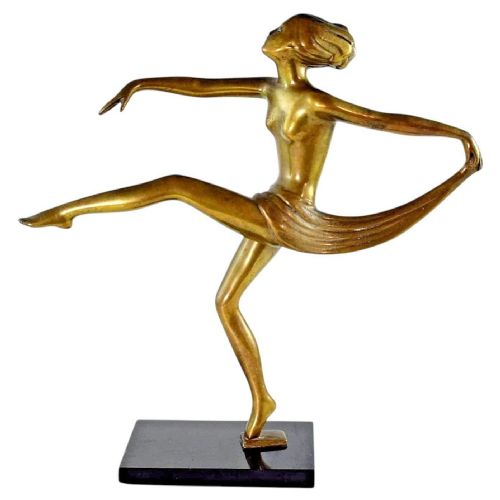
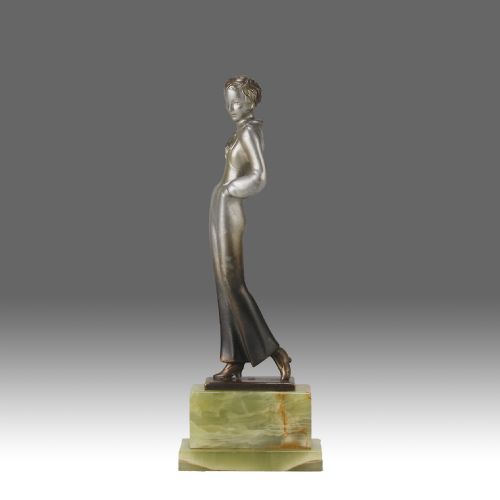
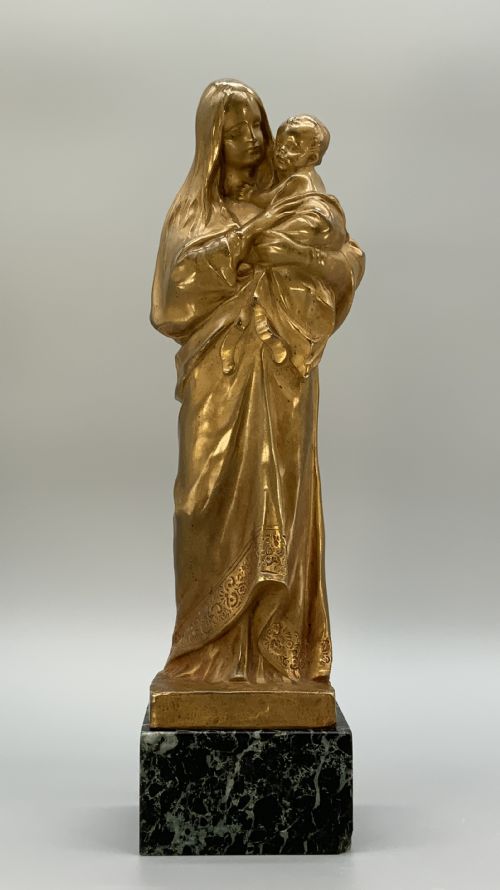
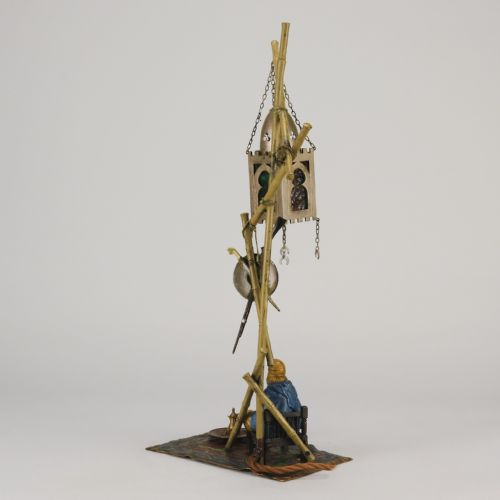
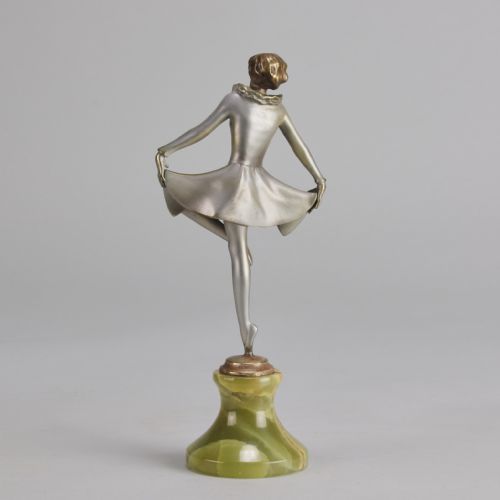
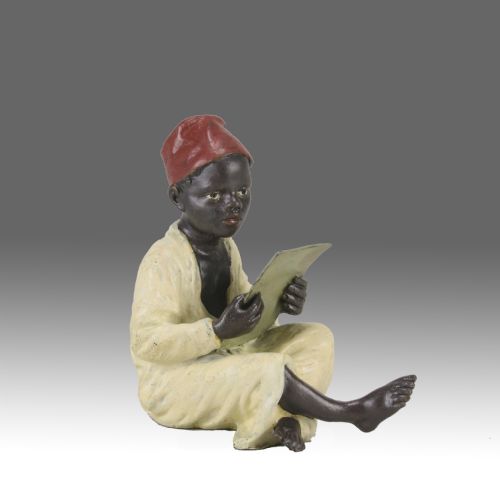
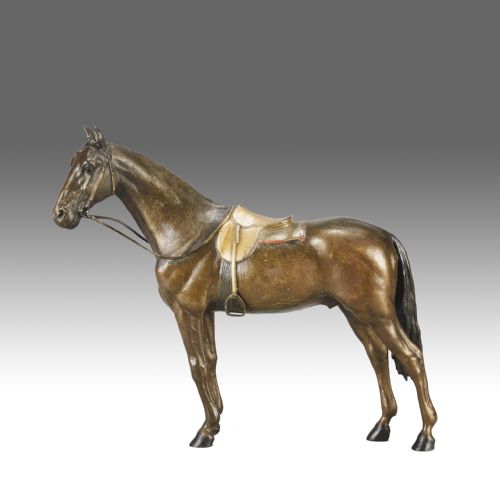
An austrian bronze statue encompasses a diverse array of animal figures, human subjects, and figurative sculptures spanning the nineteenth and twentieth centuries. These pieces reflect prominent artistic movements such as Art Nouveau, Art Deco, and Orientalism, capturing both naturalistic animalier studies and stylised human forms.
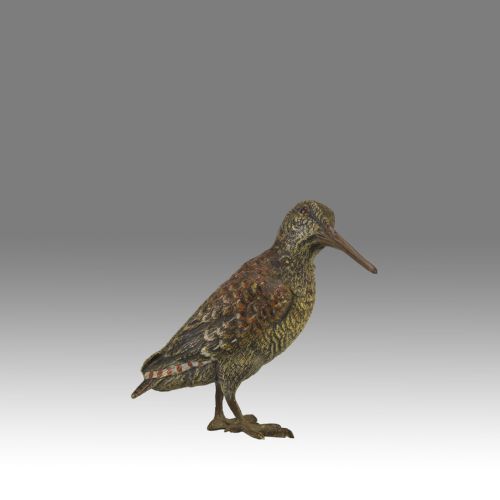
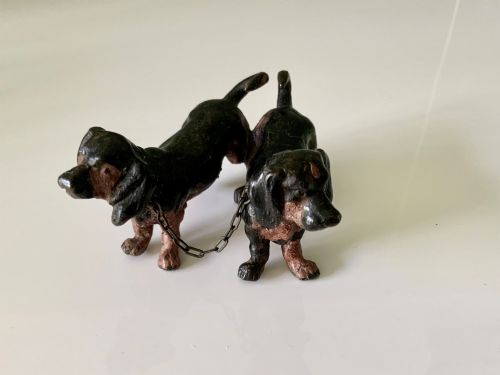
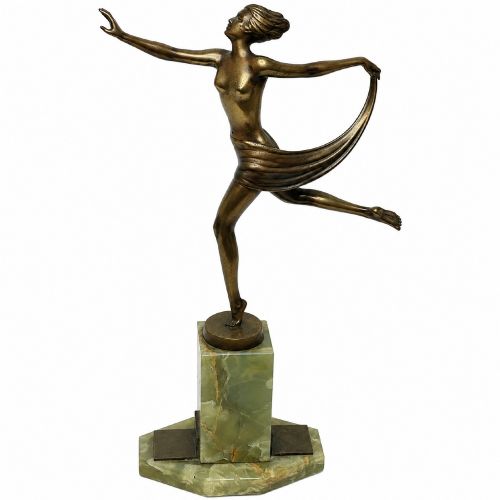
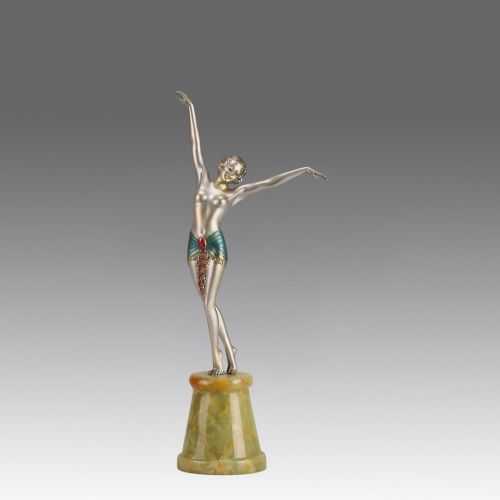
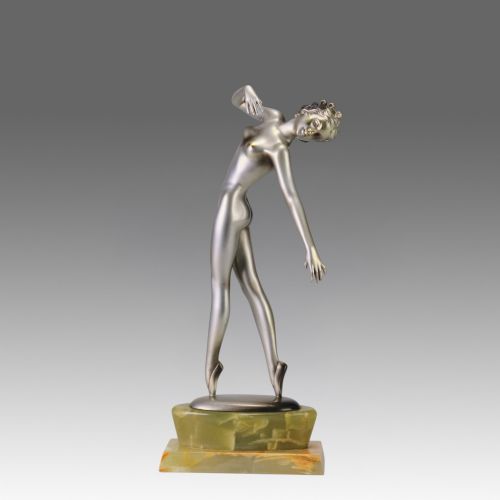
Buyers will most frequently encounter cold-painted bronze statuary and figurative desk ornaments produced during the early twentieth century. These works range from diminutive bird and dog figurines to large, expressive dancer studies and complex orientalist scenes.
Materials and methods
The creation of these bronzes relies on traditional lost-wax casting techniques to capture intricate details in the metal. Artisans then apply multiple layers of cold paint by hand directly onto the unheated bronze surface, building up rich polychrome finishes.
Many sculptural works incorporate secondary materials such as marble or onyx to provide stable, decorative bases for the metal figures. Gilt bronze and enamel paint variations also appear across the selection, highlighting specific garments or architectural details.
Listings feature bronze, onyx, and marble materials across Art Deco, Art Nouveau, and Vienna Bronze styles.
Assessing quality and execution
Quality in an austrian bronze statue is determined by the crispness of the initial cast and the subtlety of the chasing work before painting. Finer examples retain sharp facial expressions, delicate feather texture, and clean casting lines without smoothing.
The preservation and complexity of the original cold-painted surface heavily influence the standing of a piece. Skilled brushwork with subtle shading distinguishes master foundry output from simpler, mass-produced commercial items.
Carl Kauba·Rudolf Küchler·Bruno Zach·Franz Bergman·Josef Lorenzl·Hans Müller·Friedrich Goldscheider·Ernst Beck
The Austrian Bronze Statue Glossary
- Cold-painted bronze
- A technique where oil paint is applied to a cold bronze casting rather than fired in a kiln. This method allowed for intricate multicolour detailing.
- Vienna bronze
- A specific genre of small-scale bronze sculpture produced in Austrian foundries during the late nineteenth and early twentieth centuries. These pieces are celebrated for their humorous, naturalistic, or exotic subjects.
- Animalier
- A nineteenth-century artistic movement dedicated to the lifelike depiction of animals. Sculptors in this style focused on accurate anatomy and dynamic postures.
- Orientalism
- An artistic style inspired by Middle Eastern and North African cultures. Works in this vein frequently depict figures in traditional attire, desert animals, and narrative scenes.
Austrian Bronze Statue: Frequently Asked Questions
What is cold painting?
Cold painting involves applying layers of pigment to a bronze casting without the application of heat. This technique allowed artisans to achieve remarkable detail and rich colour variation on small figures.
The paint was typically applied over a metallic base layer, though centuries of handling mean that surviving pieces often show natural surface wear.
How do I date these bronzes?
Dating relies heavily on stylistic markers such as the flowing lines of Art Nouveau or the geometric precision of Art Deco. Maker marks, foundry stamps, and signature styles also provide a reliable framework for establishing the period of creation.
Material choices like onyx bases and specific colour palettes further help narrow down the decade of production.
Where were they made?
The vast majority of these sculptures originated in dedicated foundries located in Vienna, Austria, during the late nineteenth and early twentieth centuries. These workshops employed skilled modellers and painters who specialised in small-scale cabinet bronzes.
Export markets across Europe and beyond ensured these decorative items found homes in international studies and drawing rooms.
How should I clean them?
Cleaning requires a very gentle approach to protect the delicate cold-painted surface from damage. Dusting with a soft, dry brush is generally sufficient for regular maintenance.
Water, solvents, and abrasive cleaners must be avoided entirely, as they will strip away the original polychrome finish and expose the raw bronze beneath.