





French Classical Bronzes
When you search for french classical bronzes, you are looking at cast metal works spanning neoclassical figures, candelabra, and mantel clocks grounded in antique periods.
French Classical Bronzes
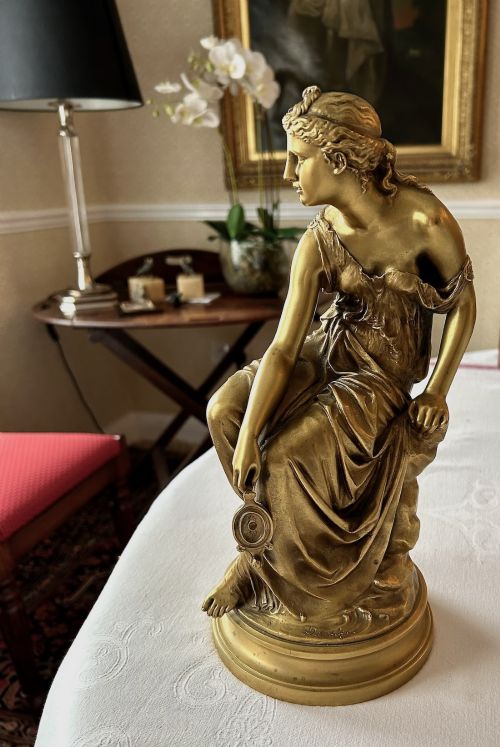
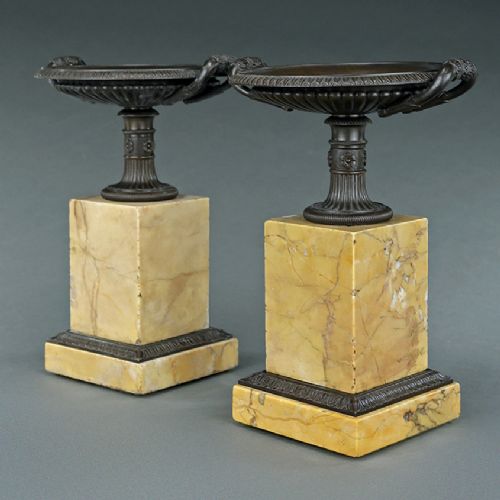
French classical bronzes encompass decorative objects and sculptures shaped by neoclassical, French Empire, and Louis XVI design vocabularies. These pieces range from figural table lamps and candelabra to mantel clocks and library tazzas originating across the nineteenth and early twentieth centuries.
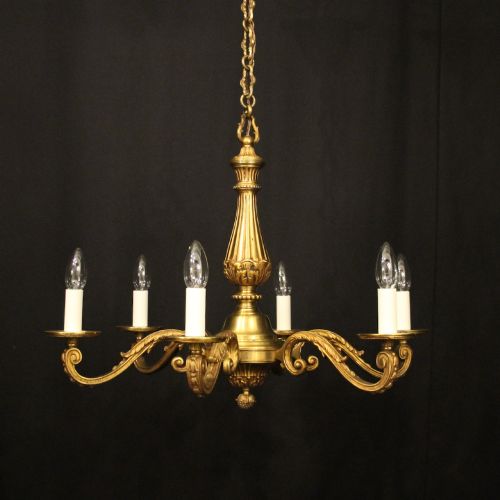
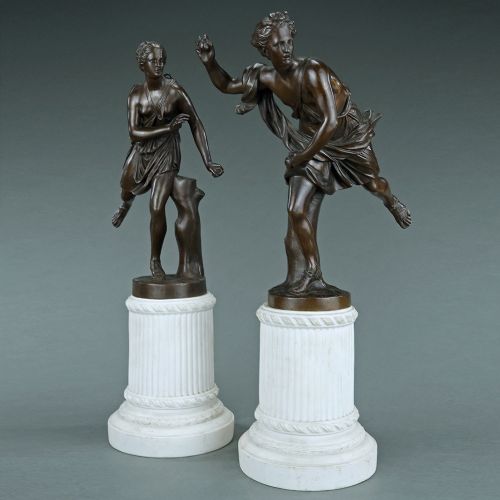
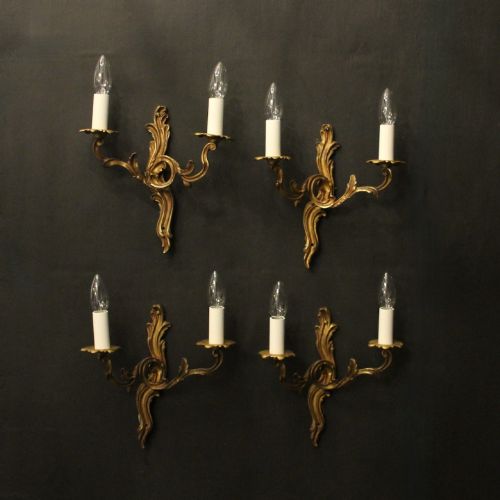
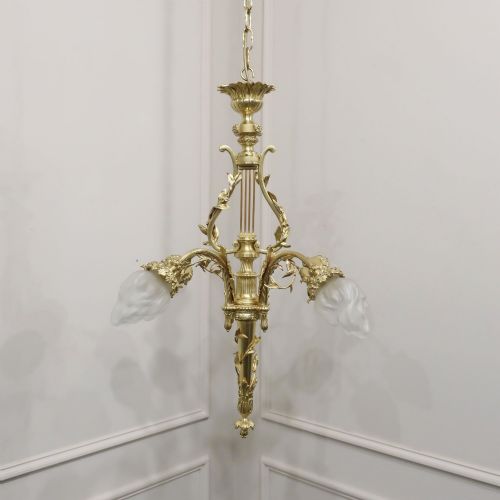
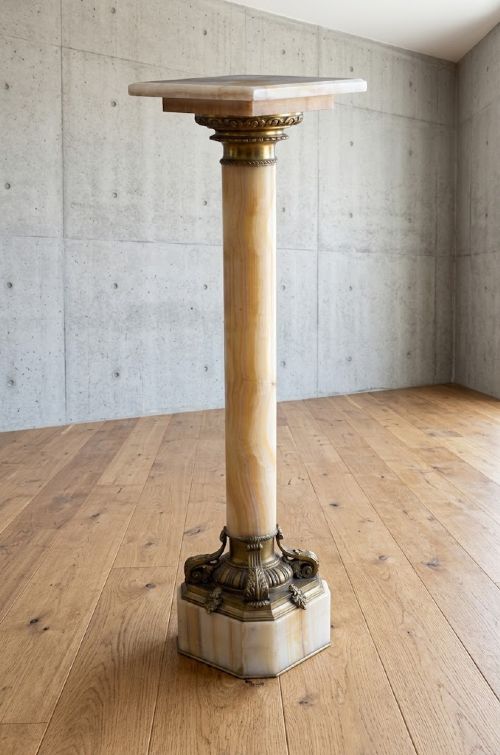
Buyers meet varied iterations in this category, including patinated and gilded bronze figures mounted on rouge marble or onyx bases. Architectural elements such as columns with ormolu collars and decorative urns also appear alongside multi-arm wall lights and chandeliers.
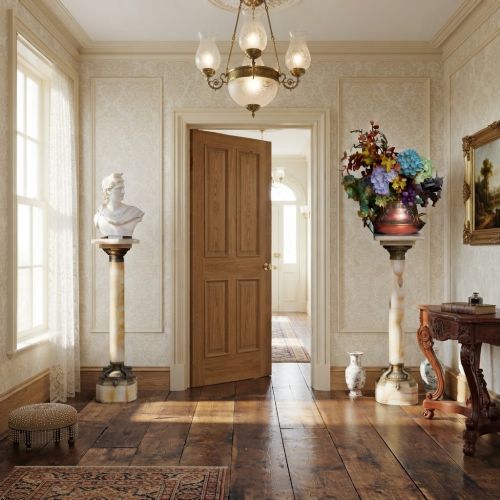
The objects frequently draw upon classical mythology and Renaissance revivals, yielding allegorical putti, maidens, and historical busts. Makers and founders utilised traditional casting methods to supply domestic interiors with ornaments reflective of historical European styles.
Materials and Construction
Foundries utilised bronze as the primary casting metal, often applying fire gilding to create ormolu surfaces or employing patination for varied tonal depths. Cold painted finishes appear on specific twentieth-century figures, introducing colour to the metallic surface.
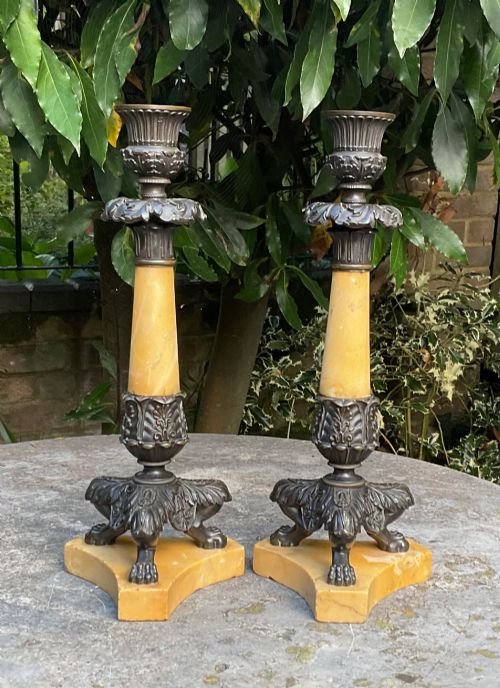
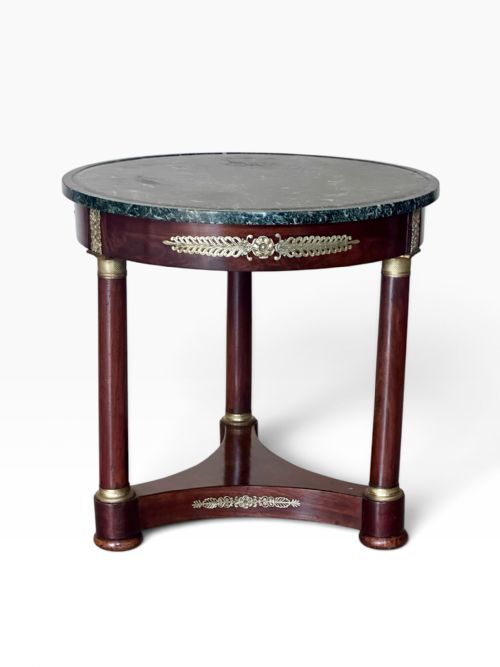
Stonework provides structural support and contrast, with white marble, rouge marble, and onyx incorporated into bases, pedestals, and columns. Ormolu collars and mounts secure these mixed media compositions together, combining cast bronze elements with polished mineral plinths.
Materials span bronze, gilt bronze, ormolu, brass, patinated bronze, marble, and onyx across various nineteenth and twentieth-century listings.
Evaluating Quality and Detail
The integration of mixed materials dictates visual success, seen in the precise fit between bronze mounts and marble or onyx bases. Superior examples maintain balanced proportions and secure fixings without visible excess solder or structural misalignment.
Etienne-Henri Dumaige·Charles Louis Malric·Susse Frères·Barbedienne·Pierre le Faguays·Moreau Family·E Rousseau
The French Classical Bronzes Glossary
- Ormolu
- Gilded bronze produced by applying a mercury and gold amalgam to the metal surface before heating. This technique creates a durable, luminous golden finish characteristic of decorative mounts and candelabra.
- Patinated bronze
- Metal treated with chemical solutions to alter its surface colour, yielding brown, green, or near-black tones. This process accentuates sculptural depth and shadow.
- Tazza
- A shallow cup or vase set on a pedestal foot, often cast in bronze or mounted with marble. These decorative vessels served classical display functions in nineteenth-century libraries and salons.
- Candelabra
- Branched lighting fixtures designed to hold multiple candles, frequently cast in gilt bronze or styled with classical figures. They evolved into ornamental centrepieces for mantelpieces and tables.
- Spelter
- A zinc alloy utilised as a cheaper substitute for bronze, often given a bronze-toned finish. It appears in utilitarian and decorative figures where lower weight or cost was required.
French Classical Bronzes: Frequently Asked Questions
What periods do these bronzes date from?
The pieces span the nineteenth and early twentieth centuries, drawing heavily upon earlier neoclassical design vocabularies. Production dates range across the 1800s through to the 1930s.
Foundries and artists reinterpreted historical motifs throughout this timeframe, meaning nineteenth-century creations frequently reference Louis XVI or French Empire styles.
How were these decorative items used historically?
Owners placed them on mantelpieces, desks, and dining tables to illuminate rooms and display cultural refinement. Candelabra and chandeliers provided functional lighting in salons.
Figurines, urns, and tazzas served purely decorative functions, establishing an atmosphere of classical learning and artistic appreciation within grand interiors.
How do I care for bronze and marble pieces?
Dust the metal surfaces regularly with a soft, dry cloth to prevent grime accumulation. Avoid harsh chemical cleaners that strip gilding or alter patination.
Marble and onyx bases require gentle wiping with a damp cloth followed by immediate drying. Protect the stone from acidic spills and moisture.
How do I distinguish genuine bronze from spelter?
Genuine bronze feels heavier, yields a resonant sound when tapped lightly, and exhibits a durable patination that resists chipping. Spelter is softer and lighter.
Examining the underside or concealed areas often reveals the paler grey metal beneath a chipped bronze-effect paint layer on spelter objects.