



Bronze Winged Cherub
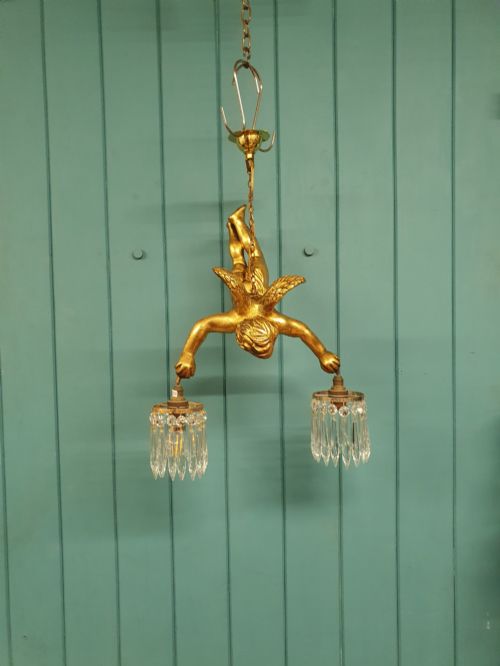
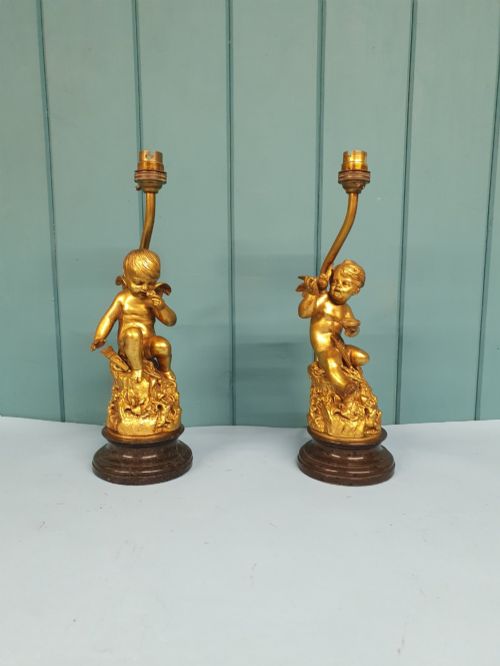
A bronze winged cherub brings classical French and Victorian decorative arts into a room with cast metal figures and functional lighting.
Bronze Winged Cherub
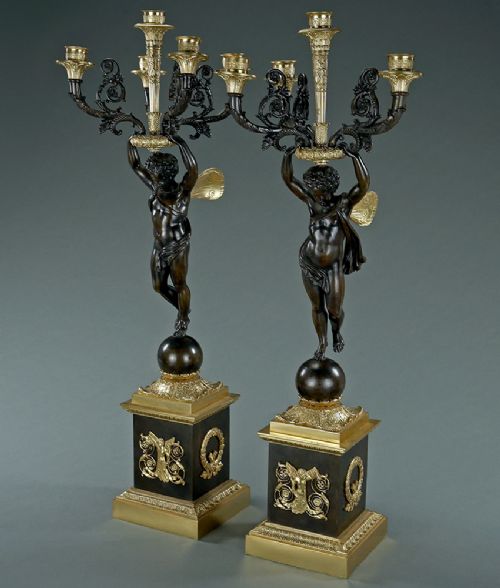
When you search for a bronze winged cherub, you encounter a range of sculptural and functional objects spanning the nineteenth and early twentieth centuries. These pieces predominantly take the form of French Empire and Rococo Revival candelabra, candlesticks, mantel clocks, and table centrepieces.
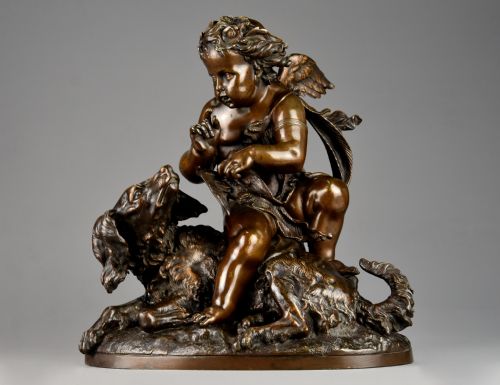
You are most likely to meet patinated and gilt bronze figures, often depicted as winged putti or Cupid. They frequently appear paired on marble or wood bases, serving both decorative and practical domestic roles across various European salons.
How they were made
The construction of these items relies on metal casting techniques using bronze, brass, and spelter. Molten metal is poured into moulds to create detailed figures of cherubs, which are subsequently chased and finished by hand.
Makers integrated supporting elements of marble, wood, and cut glass crystal to form bases, centrepieces, and chandeliers. Surface finishes range from dark patination to applied gilding, depending on the stylistic demands of the period.
Materials documented in the inventory include patinated bronze, gilt bronze, spelter, brass, marble, wood, and cut glass crystal.
What varies in quality
The standard of a cast figure rests upon the crispness of the chasing and the depth of the anatomical detail in the cherub's wings and limbs. Finer examples display subtle transitions in patination and careful assembly of multi-part compositions.
Material selection divides standard production pieces from higher-tier works, as solid bronze and substantial marble bases demonstrate greater durability than lighter spelter or brass alternatives.
Louis Auguste Moreau·Aug. Moreau·Charles Cumberworth·BELLENOT PARIS·Ferrand
The Bronze Winged Cherub Glossary
- Spelter
- A zinc alloy commonly utilised as a less costly alternative to bronze for nineteenth-century cast figures. It often received a bronze-coloured or gilt coating to imitate more expensive metalwork.
- Putto
- A plump, naked male child figure frequently depicted with wings in classical and Renaissance-revival art. In these listings, they appear interchangeably referred to as cherubs or Cupids.
- Patinated Bronze
- Bronze that has been treated with chemical solutions to produce a specific surface colour, usually dark brown or green. This process protects the metal and accentuates sculptural contours.
- Gilt Bronze
- Bronze that has been coated with a thin layer of gold or gold amalgam, also known as ormolu. It provides a bright, reflective finish popular in French Empire and Rococo interiors.
- Candelabra
- Branched lighting fixtures designed to hold multiple candles. They often incorporate figural bronze cherubs into the central stem or base.
Bronze Winged Cherub: Frequently Asked Questions
What is the difference between bronze and spelter?
Bronze is an alloy of copper and tin that yields a heavy, durable material suitable for crisp sculptural detail and patination. Spelter is a zinc-based metal that is softer, lighter, and more brittle.
Figures cast in spelter often show minor surface wear or lighter weight when lifted compared to solid bronze pieces. Many spelter items were historically given a bronze-toned finish to mimic genuine metalwork.
Are these cherub lamps original?
Many nineteenth-century candelabra and candlesticks were adapted for electricity during the twentieth century to suit modern domestic lighting needs. These adaptations often involve drilling through the base or stem to run internal wiring.
Examine the wiring components and fittings to determine if the electrification is a later addition. The underlying bronze bodies and marble bases typically retain their original nineteenth-century manufacture.
How do I date a bronze cherub?
Dating relies on stylistic indicators such as the heavy neoclassical influence of French Empire design versus the ornate curves of Rococo Revival. Maker signatures and foundry marks stamped into the bronze also provide chronological reference points.
Associated materials like inlaid wood bases, marble types, and cut glass additions help narrow down the period of production. Nineteenth-century works frequently display hand-chased surface details absent in later reproductions.