





Grand Tour Bronze Putto
These grand tour bronze putto figures bring classical myth into the home, cast in metal and mounted on stone.
Grand Tour Bronze Putto
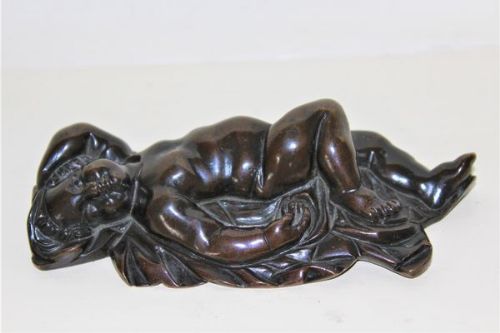
A grand tour bronze putto represents a chubby child figure inspired by classical antiquity, often depicted as a cherub, cupid, or satyr companion. These decorative pieces emerge from the nineteenth century, reflecting the tastes of travellers collecting souvenirs across Italy and France.
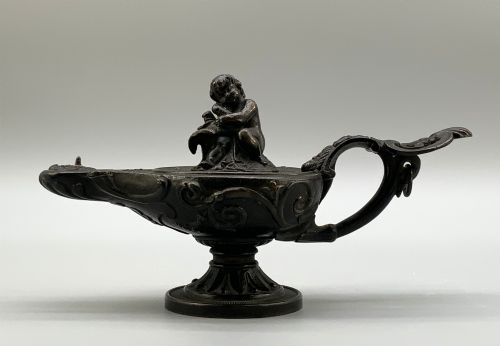
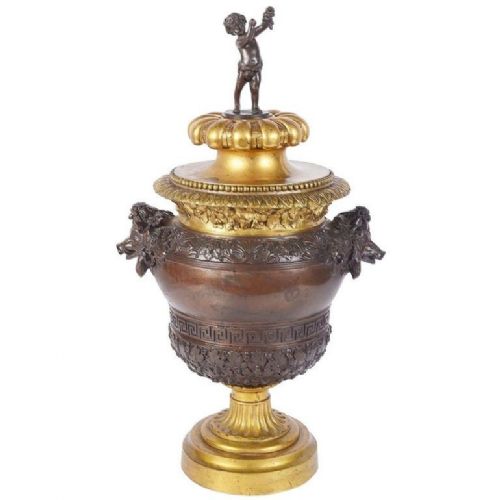
Most examples on this page take the form of freestanding statuettes, figural oil lamps, or sculptural groups engaged in playful acts. They appear mounted on marble bases or integrated into functional objects such as andirons and display urns.
The aesthetic draws heavily on neoclassical and Renaissance revival styles, frequently channelling the sculptural compositions of Clodion. Buyers encounter both single figures and balanced pairs designed for mantelpieces and decorative displays.
Materials and Casting Techniques
The primary material is cast bronze, finished with various patinas ranging from dark brown to warm golden tones. Many pieces incorporate gilt bronze or ormolu highlights to accentuate sculptural details.
Listings feature bronze, marble, ormolu, and iron, spanning the Victorian era and the broader nineteenth century.
Assessing Craftsmanship and Detail
The integration between the bronze figure and its mount dictates the overall success of the piece. Superior examples feature well-fitted marble bases and harmonious patination that has aged evenly over the decades.
The Grand Tour Bronze Putto Glossary
- Putto
- A plump naked male child figure found in classical art, often depicted with wings as a cherub or cupid. They frequently appear in nineteenth-century decorative bronzes.
- Grand Tour
- A traditional trip of Europe undertaken by upper-class young men of the eighteenth and nineteenth centuries to absorb classical culture. Souvenirs purchased on these journeys formed the basis of many decorative collections.
- Patina
- A thin layer that naturally or artificially forms on the surface of bronze through age and chemical treatment. It alters the colour and protects the underlying metal.
- Ormolu
- A technique of applying finely ground high-carat gold to an object of bronze. This provides a brilliant golden finish common on neoclassical decorative metalwork.
- Campana
- A vase shape resembling an inverted bell, popular in classical antiquity and revived during the nineteenth century. These vessels often feature cast handles and classical friezes.
Grand Tour Bronze Putto: Frequently Asked Questions
What is a putto?
A putto is a representation of a small child, frequently winged, derived from classical mythology and art. In nineteenth-century bronzes, they appear as playful figures of cupid or bacchic cherubs.
These figures were cast to decorate wealthy interiors, often symbolising love, wine, or music depending on the objects they hold.
Where were these bronzes made?
The pieces originate primarily from workshops in Italy and France during the nineteenth century. Artisans produced them to satisfy the demand from travellers touring European cultural centres.
Many adopt neoclassical or Renaissance revival styles, reflecting the classical ruins and sculptures these tourists studied abroad.
How do I care for bronze?
Bronze requires minimal maintenance beyond gentle dusting with a soft, dry cloth. Avoid using harsh chemical cleaners or polishes that can strip the historic patina from the metal surface.
Keep the pieces away from excessive moisture and direct heat sources to protect any integrated marble bases or gilt highlights.
Are these pieces original nineteenth-century works?
The listings on this page date predominantly from the nineteenth century, spanning periods from the 1800s through the Victorian era. They utilise traditional sand-casting methods typical of that time.
Materials such as patinated bronze, ormolu, and heavy marble bases help verify the period manufacture and traditional workshop origins.