
French Bronze Cherubs
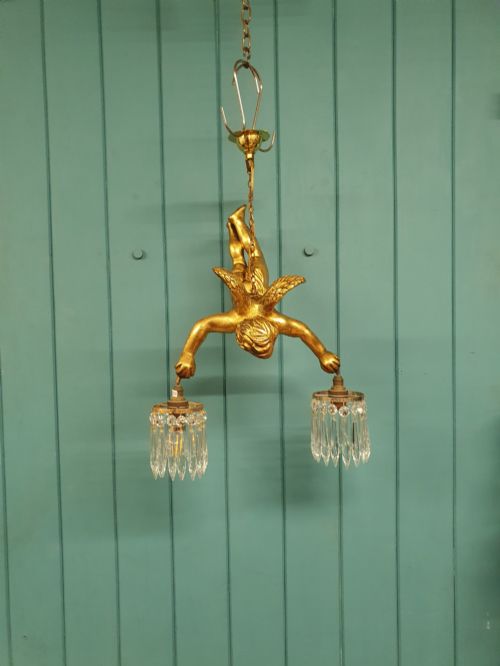
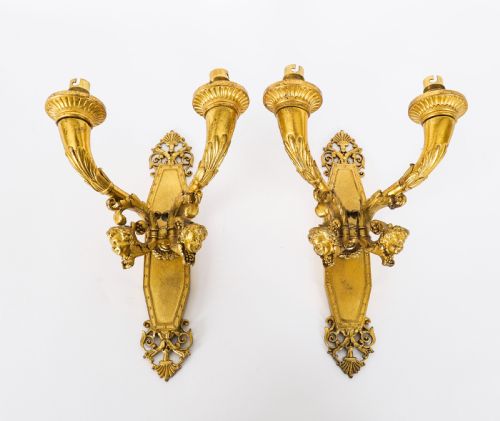
French bronze cherubs bring classical figural charm to mantel clocks, wall lights and decorative candelabra.
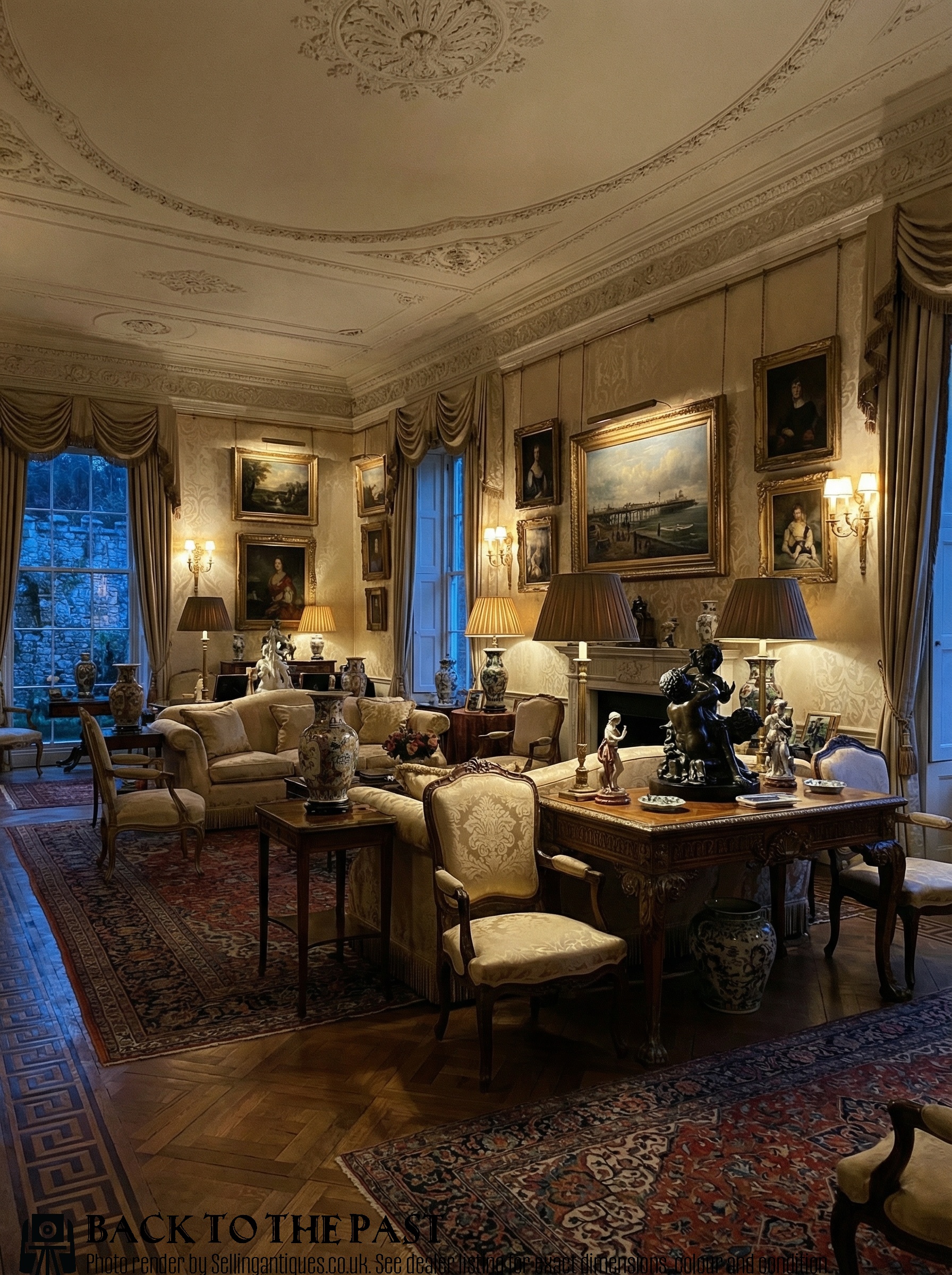
French Bronze Cherubs
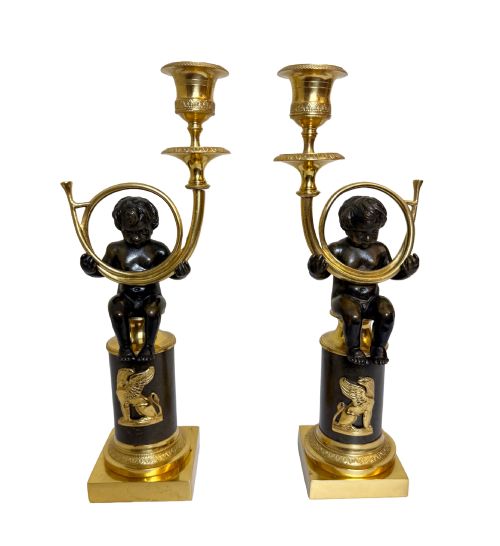
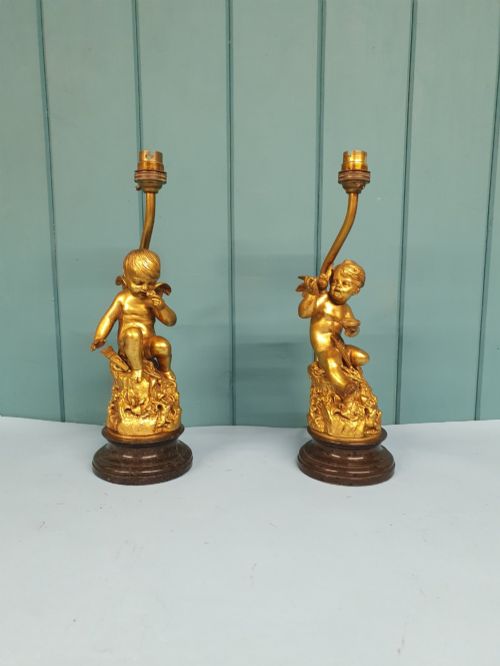
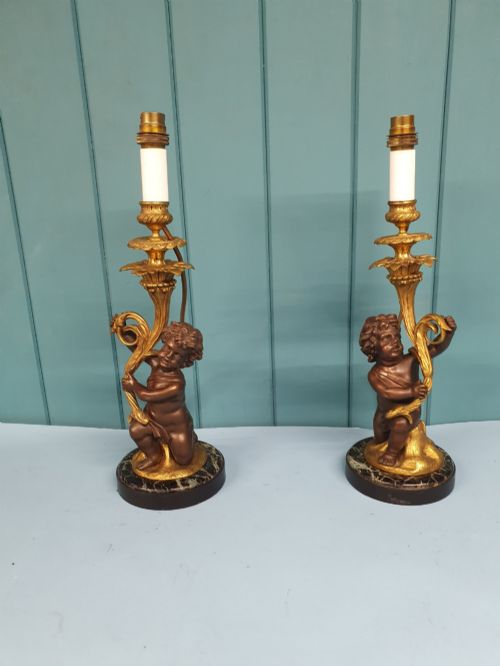
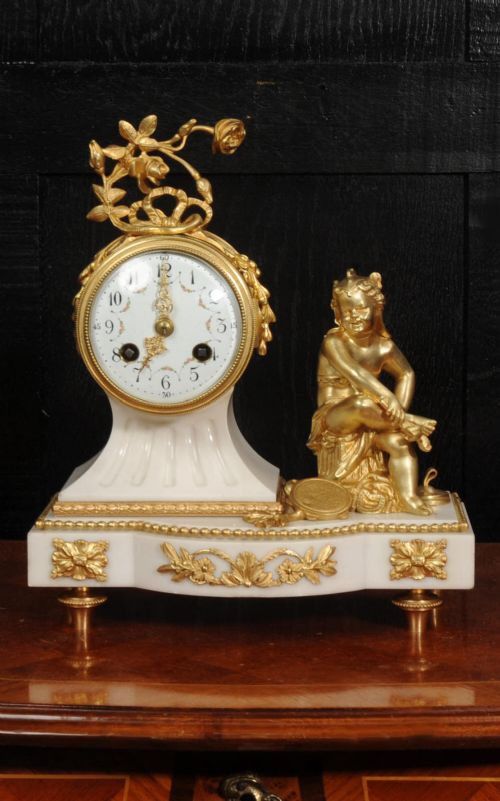
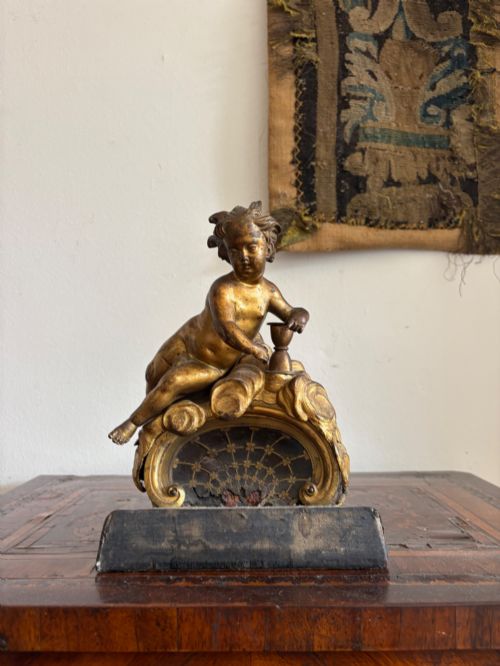
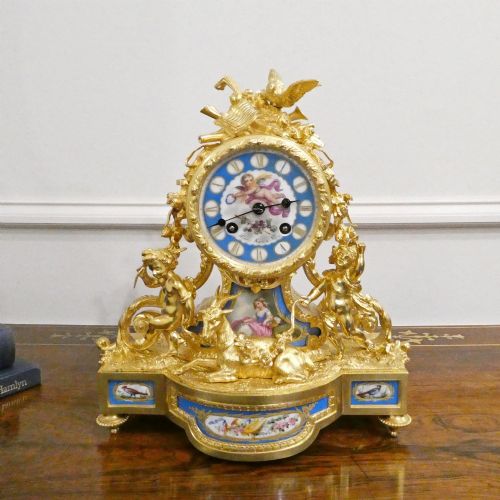
French bronze cherubs appear primarily as figural ornaments on nineteenth-century mantel clocks, wall lights, picture frames and candelabra. These winged figures, often described historically as putti, draw heavily on classical motifs popularised during the Rococo Revival, Louis XIV and Louis XVI periods.
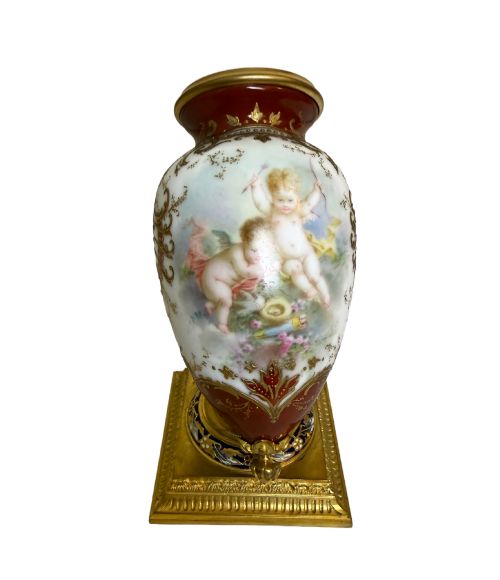
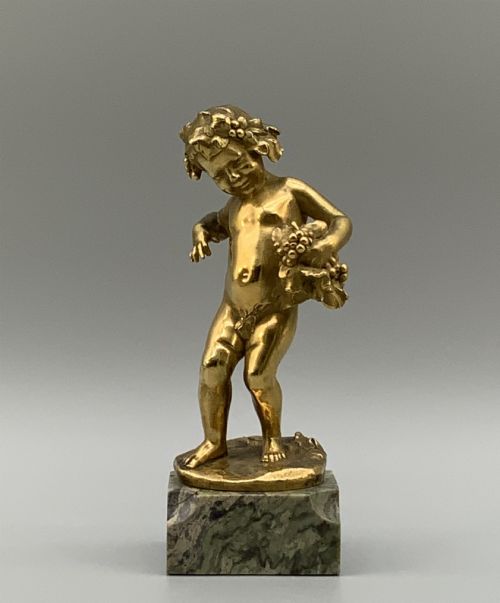
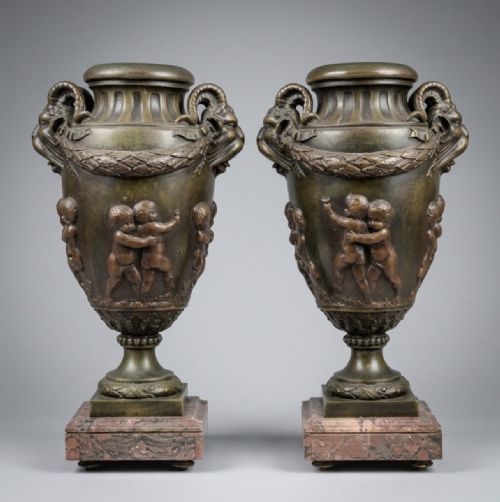
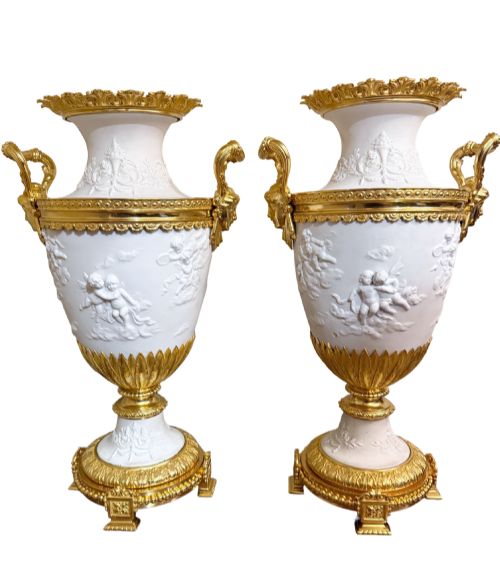
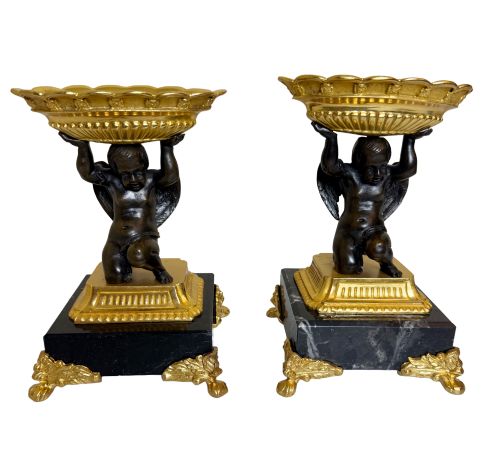
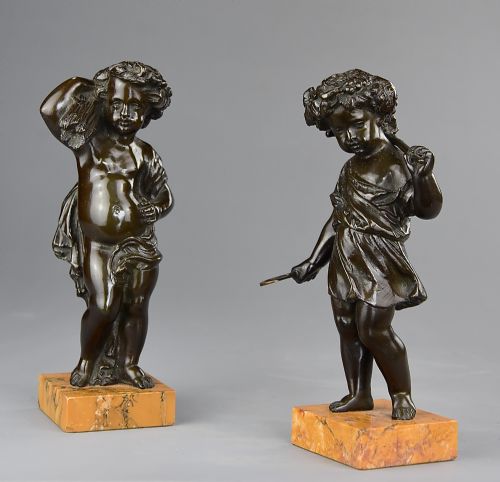
Buyers commonly encounter matched pairs of candelabra, desk accessories and figural sculptures cast in patinated or gilt bronze. Many pieces integrate white marble bases, porcelain floral elements or Sevres plaques alongside the bronze figures.
The objects range from small desktop desk blotters and finial mounts to substantial three-piece clock garnitures and architectural wall sconces. Their production spans from the late eighteenth century through to the early twentieth century revival eras.
Materials and casting methods
Maker workshops utilised traditional lost-wax or sand casting methods to shape molten bronze into detailed figural forms. Artisans then refined the raw metal surfaces through meticulous chiselling and filing to sharpen the feather details on wings and facial expressions.
Gilding techniques, particularly ormolu mercury gilding on earlier pieces and later electroplating, applied a rich gold layer over the bronze base. Patinated finishes were achieved chemically to darken specific areas of the metal, creating contrast against polished highlights.
French Bronze Cherubs Retail Price Guide 2026
Typical asking prices for french bronze cherubs among the pieces listed under this phrase on Sellingantiques today, from the lower quarter to the upper quarter. They describe what is for sale here now, not the wider market.
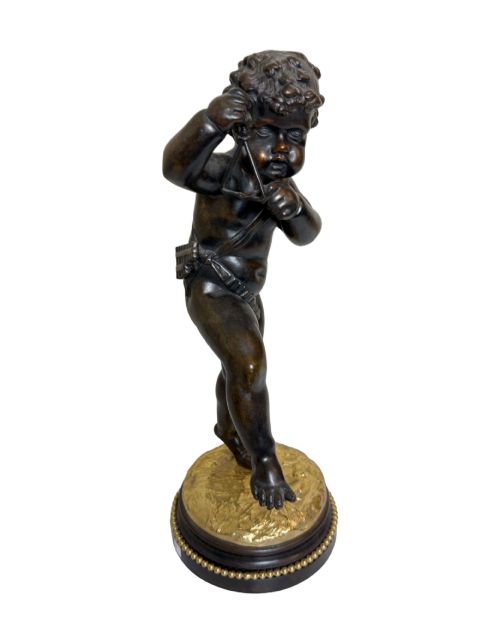
Several cherubs double as working musicians, frozen mid-strum on bronze triangles and harps across the centuries.
Assessing quality in cast bronze
The integration of secondary materials such as white marble bases, cut glass crystals and porcelain mounts dictates the overall harmony of the piece. Heavier gauge bronze and substantial marble plinths indicate higher manufacturing ambition during the nineteenth century.
Charles Louis Malric·Susse Freres·Japy Freres·Henry Marc·Francois Redmond·Siffel Cartier·Henry Dasson·Claude Michael Clodion·Louis Kley
The French Bronze Cherubs Glossary
- Ormolu
- Finely ground high-carat gold applied to a bronze base using a mercury amalgamation technique. This historic process creates a warm, deep lustre characteristic of eighteenth and nineteenth-century French metalwork.
- Putto
- A plump, naked winged infant figure frequently depicted in classical art and decorative metalwork. They appear widely as musicians, harvesters or attendants on clocks and candelabra.
- Garniture
- A coordinated set of decorative objects, typically comprising a central mantel clock flanked by matching candelabra or vases. These sets formed symmetrical centrepieces for nineteenth-century mantelpieces.
- Chenets
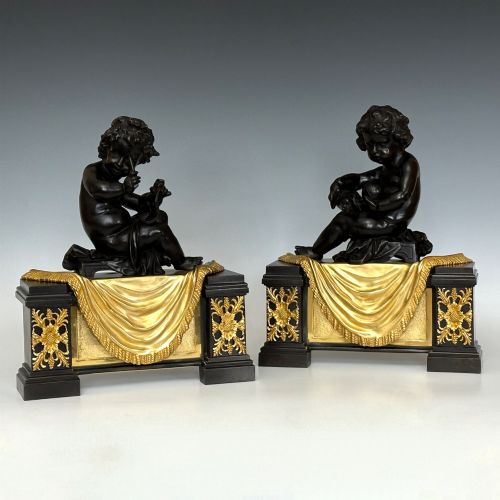
- Ornamental metal fire dogs placed at the front of a hearth to support logs. French examples often incorporate cast bronze cherubs or classical scrollwork.
- Tazza
- A shallow saucer-like cup mounted on a stem and foot, used for display. These pieces frequently feature bronze cherub supports and marble bowls.
French Bronze Cherubs: Frequently Asked Questions
Are these clock movements original?
Many nineteenth-century French clocks retain their original bell-striking mechanical movements driven by pendulum weights or springs. Clocks bearing signatures from established makers like Japy Freres often feature matching serial numbers on the backplate.
Replacement movements do occur due to centuries of necessary maintenance and repair work. Inspect the interior gearing for professional restorations that respect the original design.
How do I date a bronze cherub?
Examine the casting quality, fastener types and the style of the base materials such as marble or porcelain. Nineteenth-century revival pieces often copy Louis XIV or Louis XVI aesthetics but carry Victorian assembly marks.
Archival signatures or founder stamps provide the most reliable chronological markers. Stylistic clues in the hair and drapery also help narrow down the production decade.
Where should I display a garniture?
Clock garniture sets look best centred on a sturdy mantelpiece, sideboard or console table where the symmetrical arrangement can be appreciated. Ensure the supporting furniture can hold the combined weight of the bronze and marble components.
Keep pieces away from direct heat sources and strong sunlight to protect delicate patination and mounted porcelain elements.