



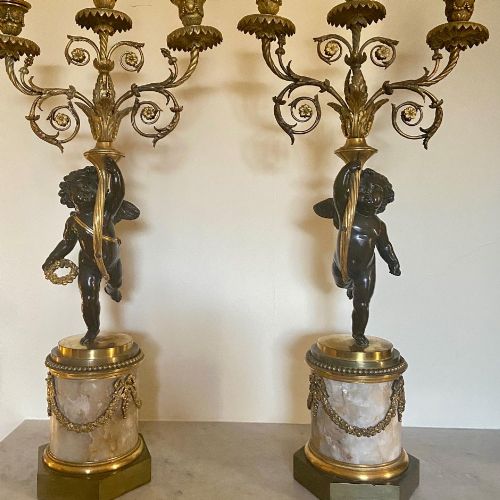
Antique Bronze Putti
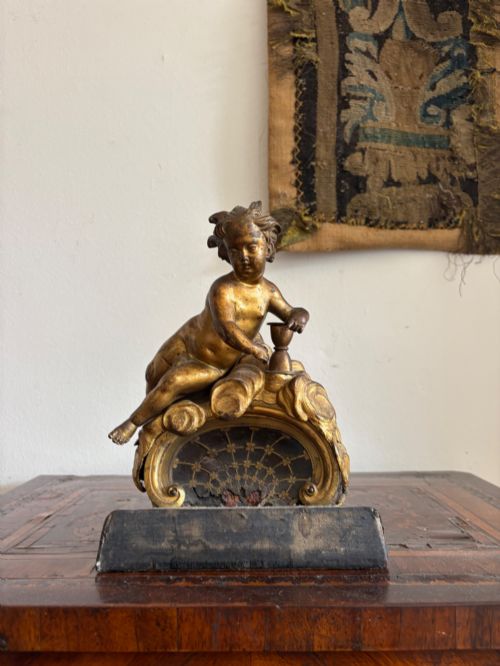
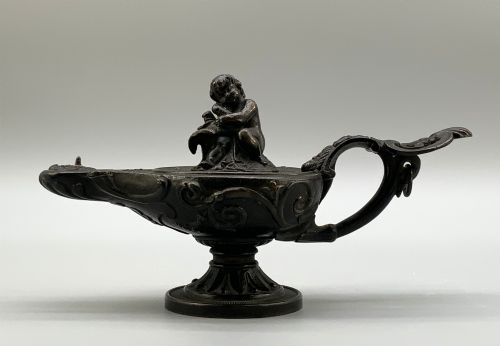
When you search for antique bronze putti, you encounter winged child figures cast in metal that populate nineteenth-century French clocks, lamps and candelabra.
Antique Bronze Putti
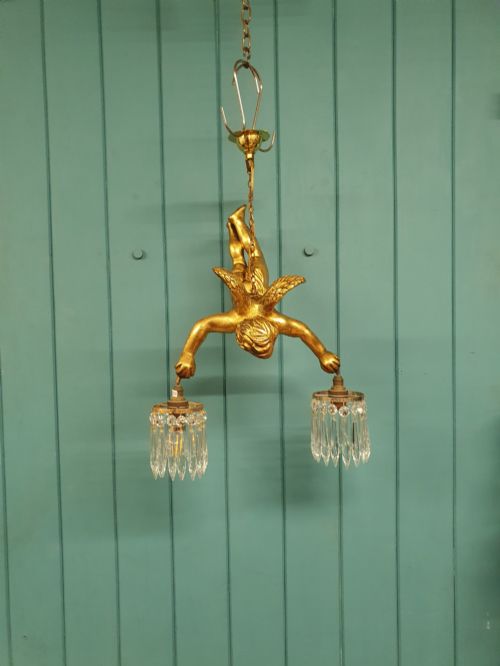
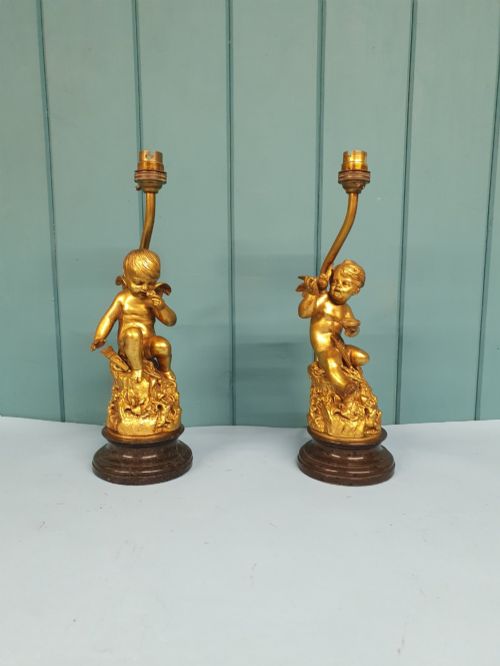
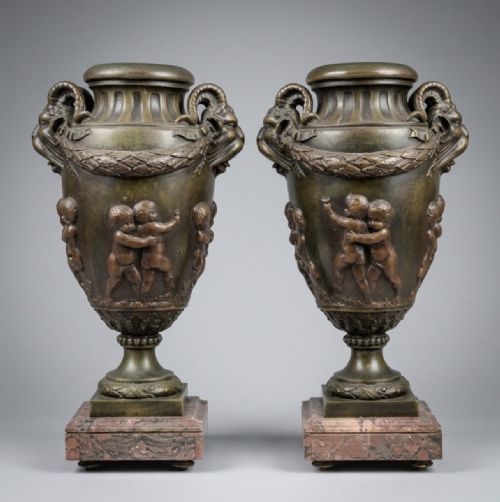
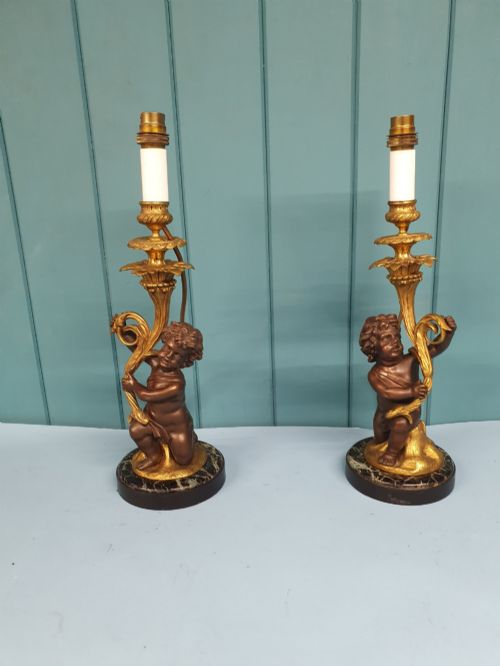
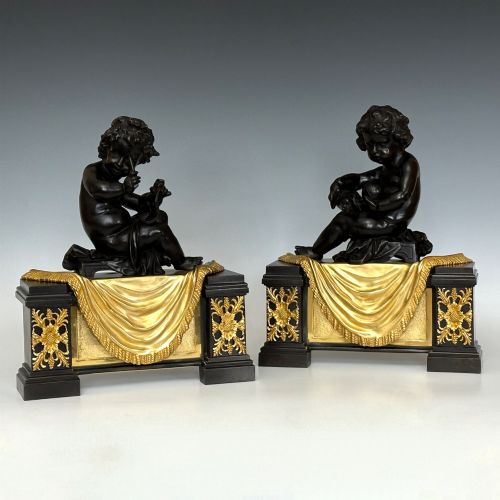
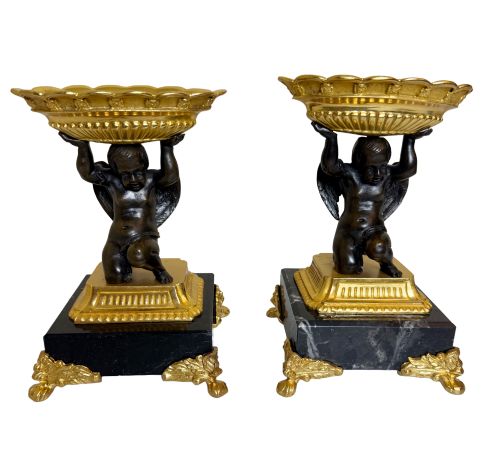
These pieces are sculptural representations of winged infants or cherubs derived from classical mythology, frequently depicted playing instruments, holding bows or resting upon marble bases. When searching for antique bronze putti, the most common forms met on this page include mantel clock garnitures, table lamps, wall sconces and pairs of candlesticks dating from the nineteenth century. Makers often placed these figures into domestic functional items such as chenets, inkstands and centerpieces.
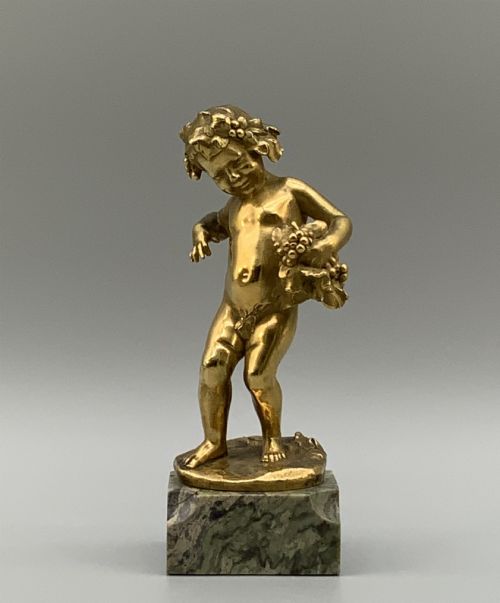
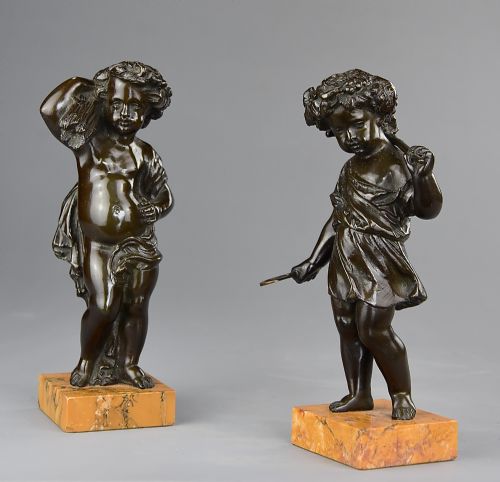
The aesthetic leans heavily toward French Rococo Revival, Neoclassical and Empire styles, reflecting nineteenth-century European revivalism. Figures appear singularly or in groups, sometimes associated with harvest allegories or bacchic scenes after classical sculptors like Clodion. Most examples originate from French workshops, though Italian Grand Tour interpretations also appear regularly.
Materials and construction methods
Foundries produced these items primarily through the lost-wax casting method or sand casting, utilising copper alloys that yielded solid bronze figures. Many pieces received a chemical patination to create deep brown or black surfaces, whilst others were gilded with gold leaf or mercury ormolu to achieve a bright golden finish.
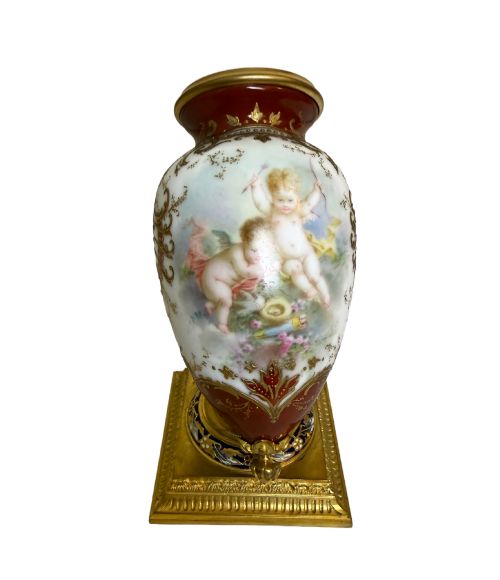
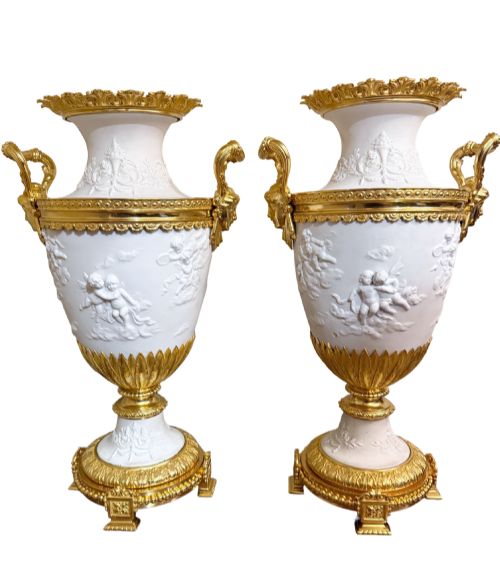
Makers frequently combined cast bronze with contrasting media such as white or rouge marble bases, porcelain elements from Sevres, cut glass crystals and enamel details. Structural components were joined using threaded rods and screws, allowing complex garnitures and clocks to be assembled from multiple cast sections.
One winged putto is caught mid-frolic alongside a loyal spaniel dog, proving that cherubs needed canine companionship too.
Distinguishing quality in the metalwork
The distinction between ordinary production and superior execution lies in the crispness of the chasing and the depth of the subsequent tooling. Master artisans spent hours refining the cast surface with chisels and gravers to define hair strands, feather textures on wings and facial expressions.
Weight and structural integrity also separate tiers of manufacturing, as denser bronze castings and substantial marble plinths provide better balance. Finer objects display seamless joints between separate cast parts and retain their original fire gilding or complex patination rather than later painted surfaces.
Charles Louis Malric·Susse Freres·Claude Michael Clodion·Francois Redmond·Le Roy Paris
The Antique Bronze Putti Glossary
- Putto
- A representation of a plump, naked child, often winged, originating in Renaissance art and revived extensively during the nineteenth century. Plural form is putti.
- Ormolu
- Finely ground high-carat gold applied to a bronze object using a mercury amalgamation technique, yielding a durable golden finish. This method was widely used in French decorative arts.
- Chenets
- Metal fire dogs placed on either side of a hearth to support logs, frequently decorated with figural mounts like cherubs. They form part of nineteenth-century fireplace accessories.
- Garniture
- A set of matching ornamental objects for a mantelpiece, typically consisting of a central clock flanked by matching candelabra or vases. These sets frequently incorporate bronze putti.
- Patinated Bronze
- Metal treated with chemical solutions to produce a specific surface colour such as deep brown, green or near-black. This layer protects the underlying alloy and defines the visual tone.
Antique Bronze Putti: Frequently Asked Questions
How do I clean antique bronze putti?
Dust the surface gently with a soft, dry brush to prevent accumulation in crevices and chased details. Avoid liquid cleaners, abrasives and polishes that strip historical patination or damage delicate fire gilding.
If the metal requires more attention, consult a professional conservator who specialises in historic bronzes. Improper cleaning can permanently alter the surface chemistry and diminish the character of the piece.
Were these figures meant for lighting?
Many nineteenth-century examples were designed specifically to hold candles, form part of oil lamps or serve as wall sconces. The figures often grasp branches, torches or nozzles integrated into the casting.
Later conversions sometimes electrified these candelabra and lamps during the twentieth century. Collectors look closely at the wiring ports and fittings to determine if electrical adaptations altered the original structure.
How can I tell the period?
Examine the casting quality, the composition of the base materials and the style of the mounting hardware. Nineteenth-century pieces frequently employ sand casting techniques, heavy marble plinths and hand-cut screws.
Stylistic cues such as French Rococo Revival or Empire motifs offer strong chronological indicators. Comparing the patination and wear patterns to documented examples from the same decade confirms the era of production.