


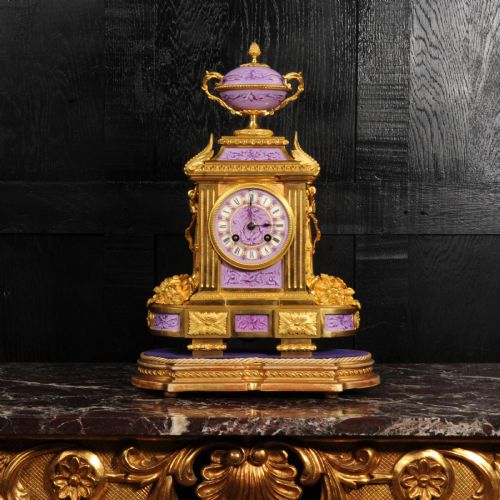
Antique Desk Bronze
When you encounter an antique desk bronze, you hold a piece of history that brings craftsmanship from past centuries straight to your workspace.
Antique Desk Bronze
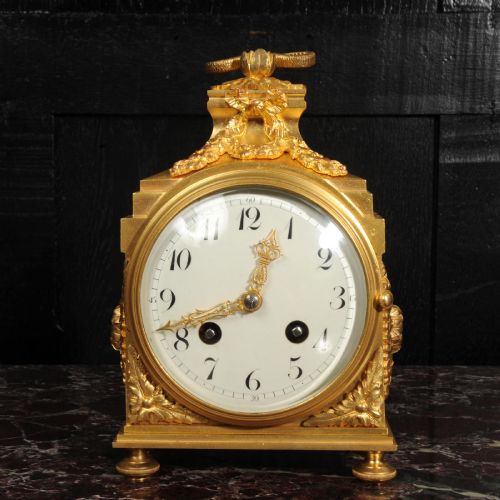
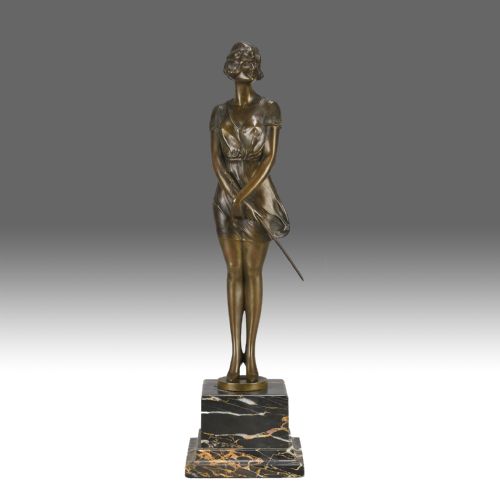
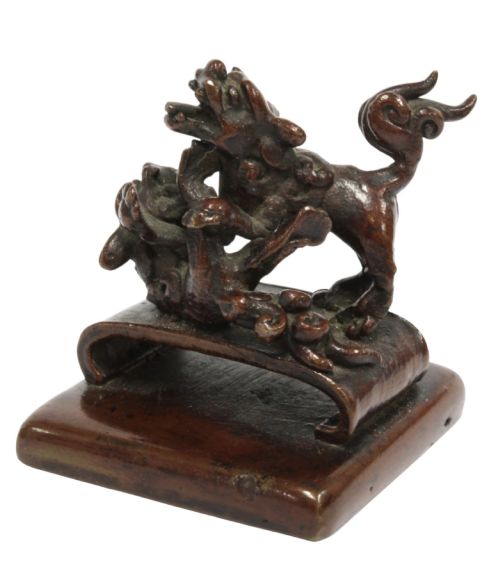
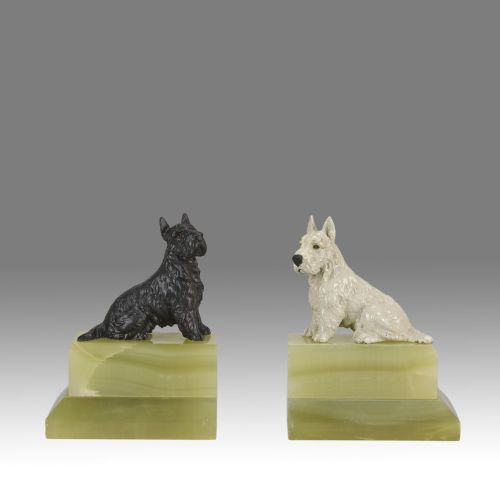
An antique desk bronze encompasses everything from small scholar's paperweights and inkwells to grand French bureau plat mounts and figural desk accessories. Buyers searching for an antique desk bronze often find items spanning the nineteenth and early twentieth centuries, alongside earlier Ming and Qing dynasty pieces.
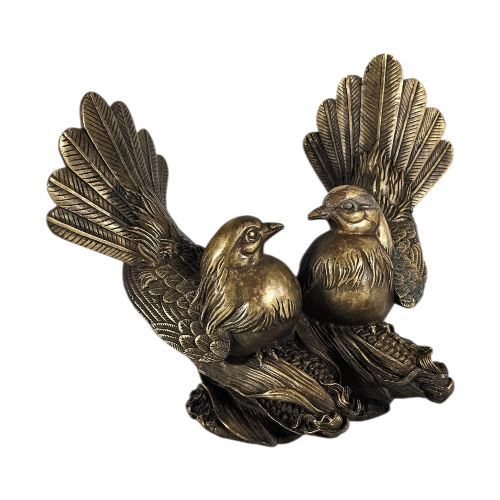
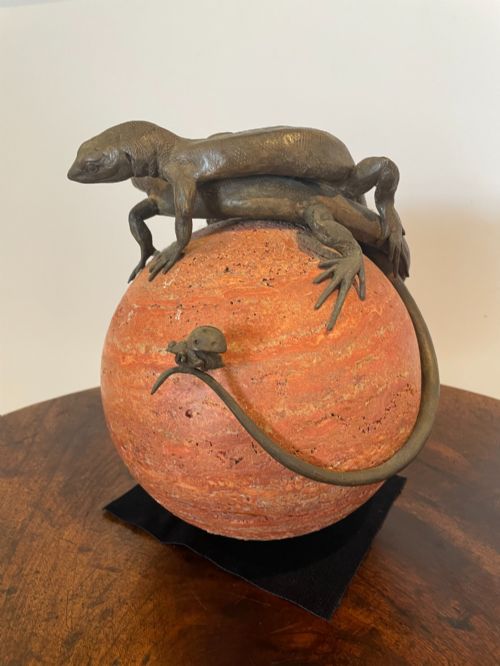
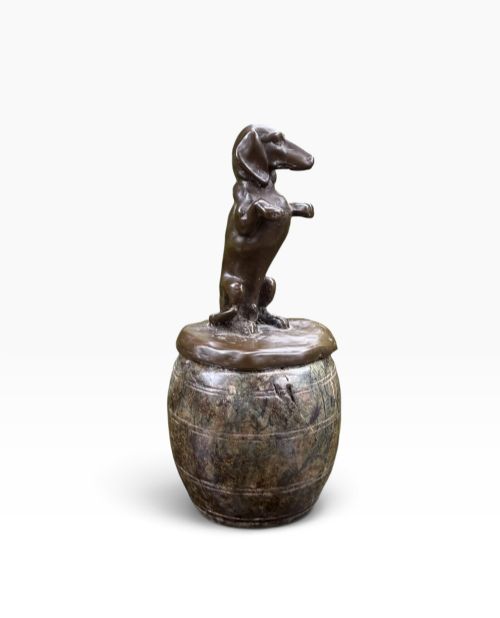
The objects take many forms, including cast brush rests, animal sculptures, desk seals, and gilt bronze mounts fitted to kingwood and rosewood writing tables. Continental European and Asian workshops dominate these offerings, merging utility with decorative metalwork.
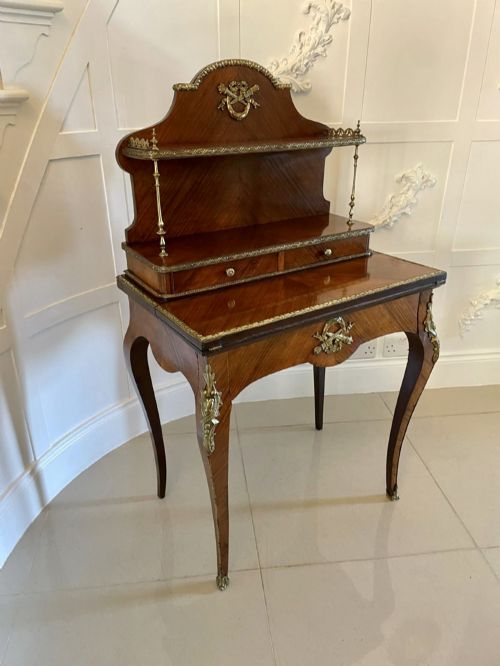
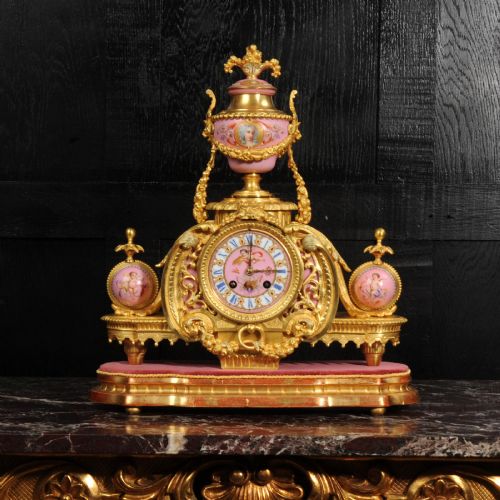
Bureau plats and structured writing furniture frequently incorporate these metal elements, often paired with ormolu, marble, or porcelain. Each object reflects the specific domestic or scholarly routines of its period of origin.
Materials and Construction Methods
Metalworkers utilised solid casting techniques, often working with bronze, brass, or ormolu to create durable items. Many pieces combine cast bronze elements with natural materials such as marble, onyx, kingwood, porcelain, and enamel.
Fire-gilding and surface patination give these metal items their distinctive finishes, while mounts are secured directly to wooden furniture frames using traditional joinery and brass fixings.
Several mechanical desk bells take the form of miniature pigs, offering a playful touch to Victorian writing routines.
Assessing Craftsmanship and Detail
The integration of metal mounts onto wooden furniture or stone bases demonstrates the maker's precision. High-grade items show seamless joints, heavy gauge metalwork, and well-preserved fire gilding or patination.
Achille Brocot·Bruno Zach·Charles à Orléans·Edwards and Roberts·François Linke·Japy Freres·Paul Sormani·Rudolf Küchler
The Antique Desk Bronze Glossary
- Ormolu
- Gilt bronze ornamentation applied to furniture, clocks, and desk accessories. The technique involves a mercury-gilding process that creates a rich golden finish.
- Bureau Plat
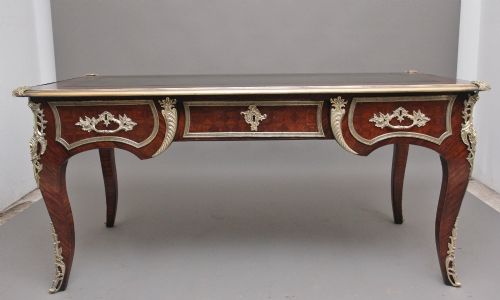
- A French freestanding writing table, typically fitted with drawers and mounted with bronze or ormolu. These tables often feature leather-inset writing surfaces.
- Scholar's Object
- Items intended for a traditional study or desk, including brush rests, paperweights, and seals. Chinese examples often date to the Ming or Qing dynasties.
- Patination
- The surface appearance acquired by bronze over time through handling and oxidation. Collectors look for deep, uniform tones achieved through age.
- Champlevé
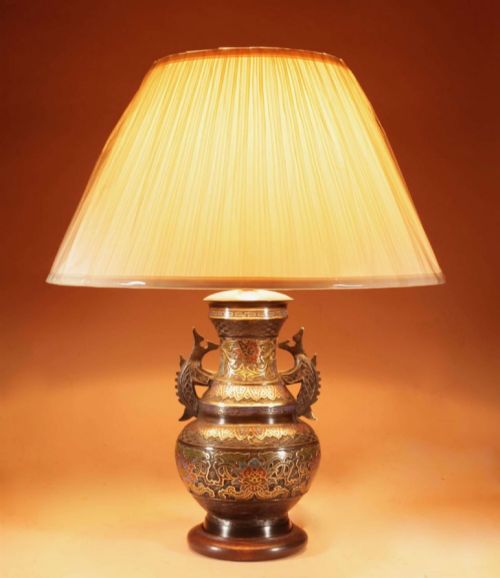
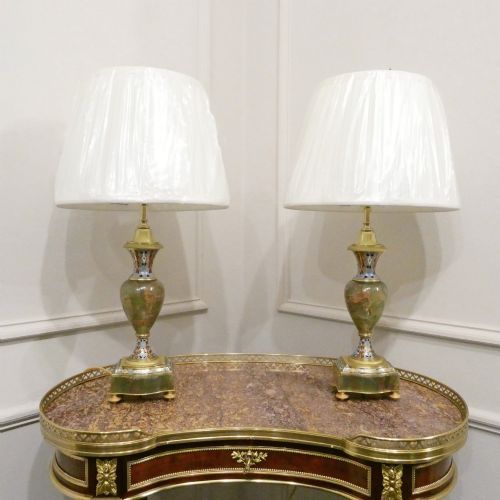
- An enamelling technique where troughs are dug into the bronze surface and filled with vitreous enamel. This method creates colourful decorative patterns on lamps and desk items.
Antique Desk Bronze: Frequently Asked Questions
How do I identify a bureau plat?
A bureau plat is a flat-topped writing table designed to stand away from the wall, featuring multiple drawers and finished backs.
They frequently display cast bronze or ormolu mounts along the legs, drawers, and trim, particularly in French revival styles.
What materials accompany these bronzes?
Bronze and ormolu pieces are frequently paired with exotic woods like kingwood and rosewood, as well as marble, onyx, and Sèvres porcelain.
Desk accessories may also incorporate glass inkwells, leather writing surfaces, and enamel detailing.
How do I care for antique bronze?
Antique bronze benefits from gentle dusting with a soft, dry cloth to protect the historic surface patination and finish.
Avoid using abrasive metal cleaners or chemical polishes, as these can strip away original gilding and alter the colour.