
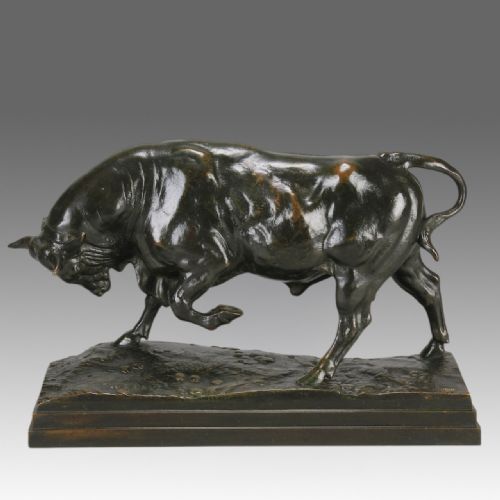


Antoine Louis Barye Sculpture
Antoine louis barye sculpture pieces capture the raw energy of wildlife through meticulous nineteenth-century casting and patination.
Antoine Louis Barye Sculpture
An antoine louis barye sculpture presents realistic animal subjects rooted in the French Animalier movement of the nineteenth century. These works depict subjects such as bulls, water buffalo, rabbits, spaniels, eagles, deer, hounds, lions, panthers, and jaguars.
The most common versions encountered here date from the mid-nineteenth century, specifically around eighteen fifty and eighteen sixty. Pieces typically stand as independent figures or feature on timber bases and marble mounts.
The sculptural forms range from reclining does and seated basset hounds to powerful predators in motion. Each example reflects the keen observation of natural anatomy characteristic of French nineteenth-century animal sculpture.
Materials and Casting Methods
The primary material used is bronze, worked with dark patination, gilt bronze, orormolu. Founders applied these metallic finishes to accentuate the musculature and texture of the animal subjects.
Foundries such as Barbedienne executed the metal casting for these works during the nineteenth century. Finished bronzes were frequently mounted on timber bases or marble plinths to provide stability and support.
Listings feature bronze, gilt bronze, orormolu, timber bases, and marble across nineteenth-century styles.
Assessing Quality in Animalier Bronzes
Quality rests upon the crispness of the chase work and the subtlety of the patination applied to the bronze surface. Superior examples retain fine anatomical details in the fur, feathers, and musculature without soft or muddy transitions.
The distinction between tiers also involves the reputation of the foundry handling the cast and the integrity of the mount. Well-executed patination and secure fixing to marble or timber bases indicate higher execution standards.
Antoine Louis Barye·Barbedienne
The Antoine Louis Barye Sculpture Glossary
- Animalier
- A nineteenth-century artistic movement focused on the realistic portrayal of animals. Sculptors in this tradition studied anatomy closely at menageries.
- Patina
- The surface coloration and texture developed naturally or applied chemically to bronze. Dark patinas are frequently seen on these wildlife subjects.
- Ormolu
- Gilt bronze produced by applying a finely ground high-carat gold-mercury amalgam to metal. This finish provides a bright golden surface layer.
- Foundry
- A workshop or establishment where metal is melted and poured into moulds. The Barbedienne foundry is notable for producing these bronze casts.
Antoine Louis Barye Sculpture: Frequently Asked Questions
What animals did Barye sculpt?
The available selection includes domestic dogs like King Charles spaniels and basset hounds, alongside wild fauna such as eagles, deer, lions, panthers, and jaguars.
Bulls and water buffalo also appear among the mid-nineteenth-century subjects represented.
How do I identify a Barbedienne cast?
Barbedienne castings are identified through nineteenth-century foundry inscriptions or documentation associated with the bronze piece.
These casts reflect the high production standards of the period's prominent French foundries.
Are these sculptures mounted on bases?
Many of these bronzes are presented on timber bases or marble mounts that support the weight of the metal.
These plinths form an integral part of the overall presentation of nineteenth-century animalier works.
What periods do these bronzes date from?
The pieces span the nineteenth century, with specific examples dated around eighteen fifty and eighteen sixty.
Victorian and later nineteenth-century French production periods are also represented.