


Barye Animalier Sculpture
These barye animalier sculpture pieces capture the fierce energy of the natural world in cast metal, bringing nineteenth-century wildlife studies directly to your collection.
Barye Animalier Sculpture
Barye animalier sculpture centres on nineteenth-century French animalier bronze figures depicting wild creatures and domestic dogs. These works range from studies of stags, hares, and birds to powerful predators like jaguars and lions.
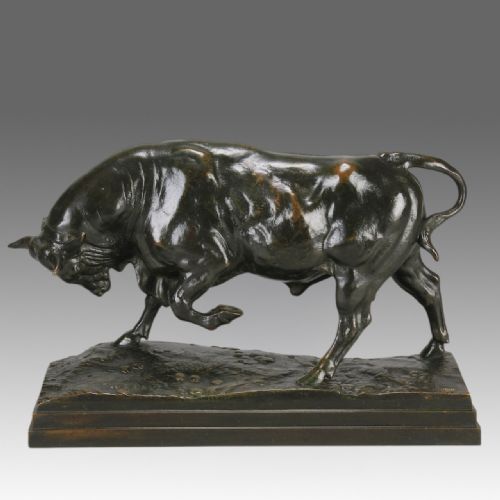
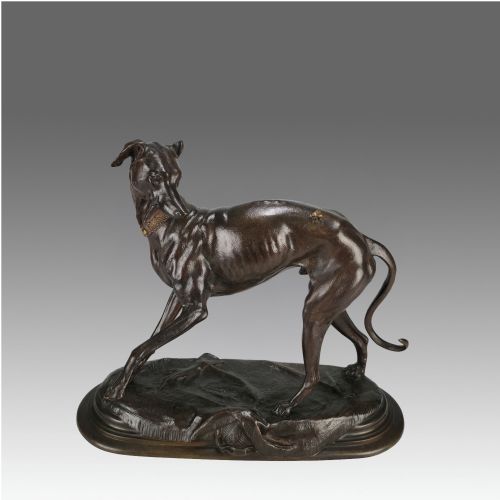
The objects take the form of sculptures, statues, and figurines mounted on marble bases or timber bases. You will frequently encounter subjects such as the standing bull, water buffalo, hounds, and exotic birds.
Originating predominantly from nineteenth-century French workshops, these pieces showcase the naturalist observation typical of the French animalier movement. Many examples bear the marks of renowned founders and the direct influence of Antoine Louis Barye and Alfred Barye.
Casting and Patination Techniques
These figures utilise bronze, patinated bronze, and gilt bronze, occasionally incorporating ormolu details. The metal is cast to capture minute anatomical textures in fur, feathers, and muscle.
Master founders applied dark patina finishes or gilding to enhance the visual depth of the forms. Finished bronzes were then mounted securely onto marble bases or timber bases to provide stability and contrast.
Among the exotic wildlife and hunting hounds, a stork balances patiently upon a turtle.
Judging the Cast
Quality rests upon the sharpness of the chasing and the fidelity of the cast to the animal's anatomy. Superior examples display crisp definition in muscle and fur without obscuring the original tool marks.
The richness of the patination and the quality of the founding determine the desirability of the piece. Foundries known for high standards contributed significantly to the lasting appeal of these sculptures.
Antoine Louis Barye·Alfred Barye·Barbedienne
The Barye Animalier Sculpture Glossary
- Animalier
- A nineteenth-century artistic movement dedicated to the realistic portrayal of animals. Sculptors in this tradition focused closely on anatomical precision and natural behaviour.
- Patina
- The surface coloration achieved through chemical treatment or natural ageing on bronze. A dark patina accentuates the sculptural details and contours of the metal.
- Ormolu
- Gilded bronze ornamentation applied to decorative objects and sculptural mounts. This technique provides a bright, gold-coloured finish to highlight specific elements.
- Founder
- The artisan or foundry responsible for casting the metal sculpture from the artist's model. Foundry marks often indicate the production source and standard of work.
Barye Animalier Sculpture: Frequently Asked Questions
What is animalier sculpture?
Animalier sculpture represents the artistic focus on animals, particularly popular in nineteenth-century France. Artists studied wildlife and domestic breeds to capture realistic movement and anatomy in metal.
These works range from small tabletop figures of hares and dogs to dramatic encounters involving predatory cats and their prey.
Who was Antoine Louis Barye?
Antoine Louis Barye was a leading nineteenth-century French sculptor famed for his powerful and accurate depictions of animals. His work defined the animalier movement and set high standards for bronze casting.
Pieces associated with his name often reflect meticulous observation of both exotic species and domestic animals.
How do I display these bronzes?
These sculptures usually sit on integrated marble bases or timber bases, making them suitable for placement on desks, sideboards, or dedicated cabinets. Ensure the support is level and stable enough to bear the weight of the metal.
Keep them away from direct moisture and handle them by the base rather than delicate protruding parts.
How are periods identified?
Periods are identified through stylistic traits, foundry marks, and the specific patination methods used in nineteenth-century workshops. Documentation and signature styles help distinguish the original nineteenth-century casts from later editions.
Examining the underside and mounting hardware also provides clues to the age and origin of the sculpture.