



Two Light Candelabra
These two light candelabra provide branched illumination across French, Victorian and Arts and Crafts designs.
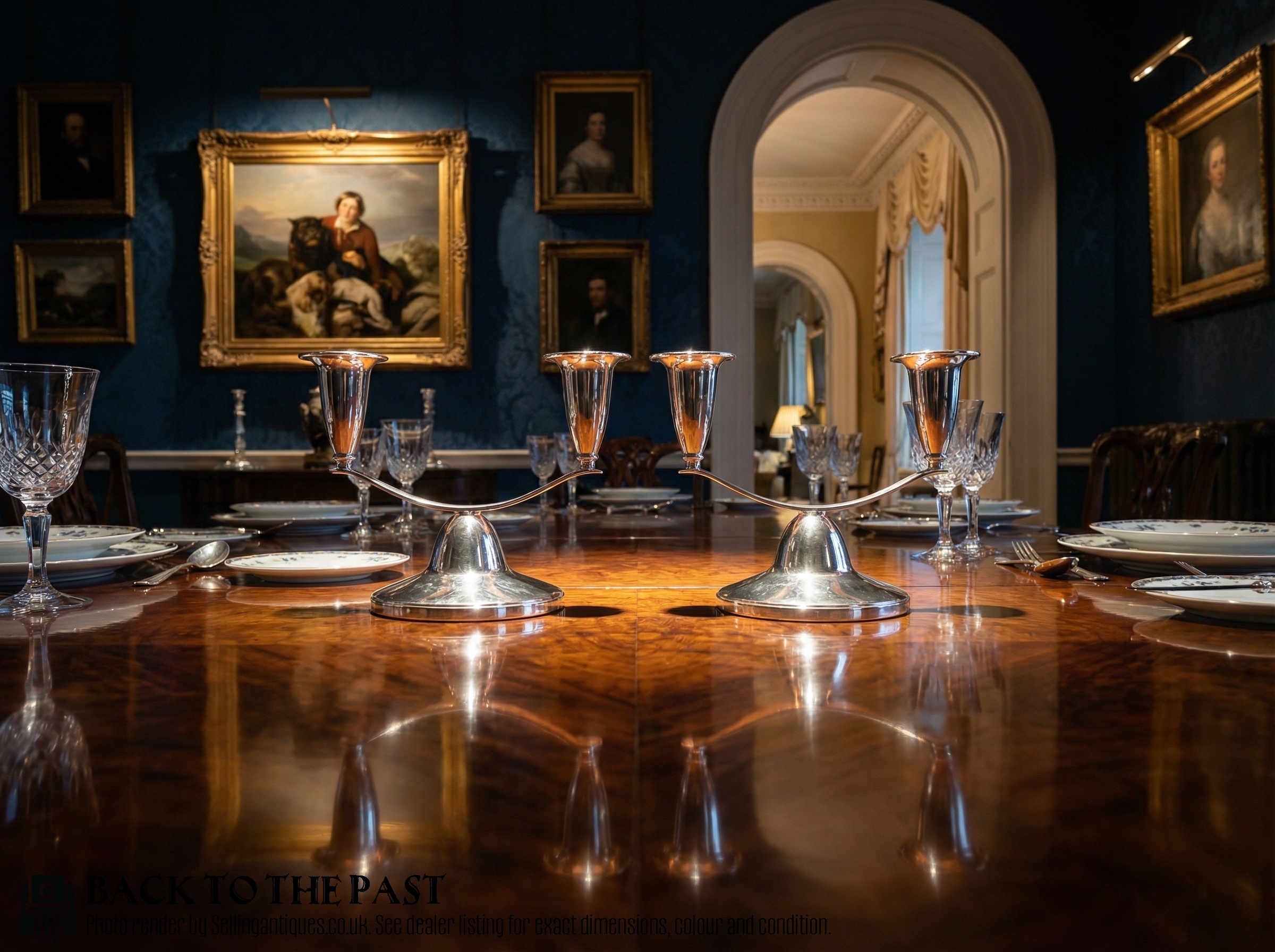
Two Light Candelabra
When you search for two light candelabra, you encounter branched lighting fixtures designed for tables, walls and mantelpieces. The items appearing here span the nineteenth and twentieth centuries, originating primarily from French workshops alongside English and American makers.
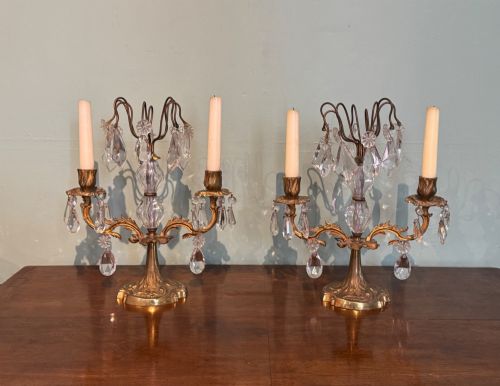
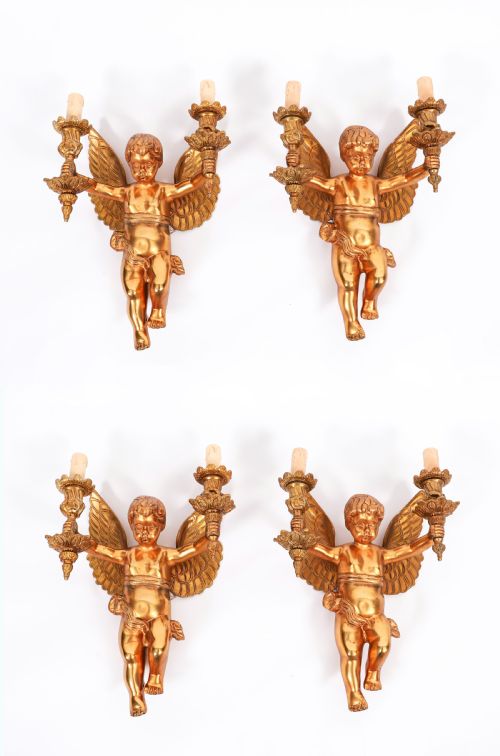
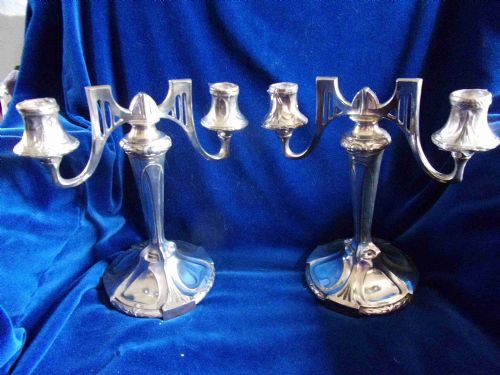
The most frequent examples take the form of pairs rendered in gilt bronze, ormolu, brass and sterling silver. Many incorporate figural elements such as cherubs, maidens or animals alongside marble bases and cut glass drops.
How they were made
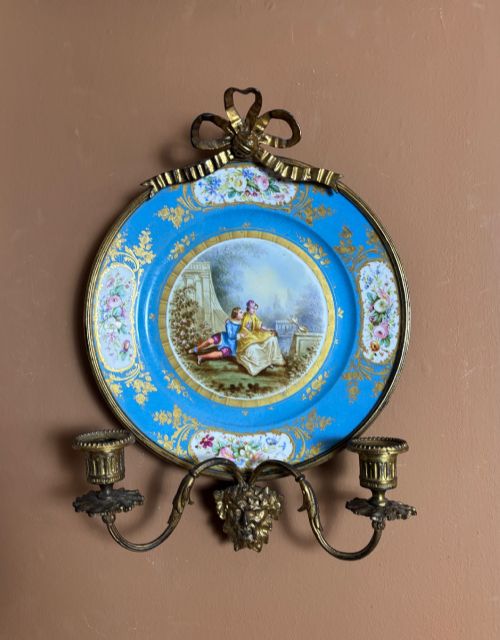
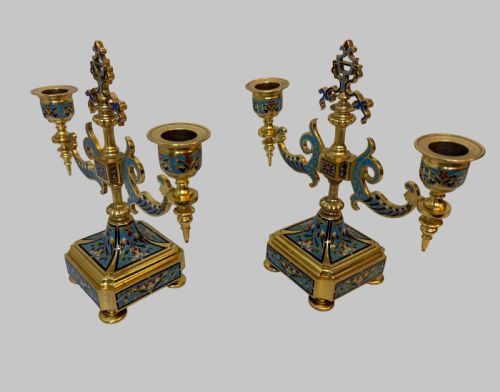
Makers utilised casting techniques in bronze, brass and pewter, often finishing the metal with fire-gilding, silver-plating or patination. Ormolu mounts and champlevé enamel frequently embellished the structural metalwork.
Stonework such as marble provided stable bases for heavier metal figures, whilst glass was cut and polished for chandeliers, table lamps and candelabra drops.
Two Light Candelabra Retail Price Guide 2026
Typical asking prices for two light candelabra among the pieces listed under this phrase on Sellingantiques today, from the lower quarter to the upper quarter. They describe what is for sale here now, not the wider market.
Among the cherubs and maidens, a pair of candelabra stands accompanied by sculpted whippets.
What varies in quality
Quality rests upon the crispness of the casting and the fidelity of the chasing in bronze and ormolu pieces. Softer, shallower surface detail indicates secondary production runs, whereas sharp chiselling reveals skilled handwork.
The selection of secondary materials, from weighty marble plinths to carefully matched cut glass, separates standard production items from superior workshop output.
Auguste Cain·Claude Clodion·François-Christophe-Armand Toussaint·Robert Edgar Stone·Elkington and Company
The Two Light Candelabra Glossary
- Ormolu
- Gilt bronze produced by applying a mercury and gold amalgam to a bronze base and firing it. This technique creates a durable golden surface seen on French candelabra.
- Champlevé
- An enamelling technique where troughs are dug into a metal surface, filled with vitreous enamel, and fired. It appears on nineteenth-century decorative metalwork.
- Patinated Bronze
- Bronze treated with chemicals to produce a controlled surface colour or dark tone. This finish highlights sculptural contours.
- Torchère
- A stand or large candelabrum designed to hold a light source aloft. Examples often take figural forms in bronze.
Two Light Candelabra: Frequently Asked Questions
What periods do these pieces represent?
The selection spans the nineteenth century through to the mid-twentieth century. Dates range across Victorian, Regency, Arts and Crafts, and Jugendstil movements.
French pieces often display Second Empire or Louis XVI stylistic revivals. Later twentieth-century examples reflect modern interpretations of earlier forms.
How were two light candelabra used?
These branched fixtures provided illumination on dining tables, sideboards and mantelpieces. Wall-mounted versions lit hallways and reception rooms.
Many designs served a dual purpose as decorative sculptures or table lamps when adapted later in their history.
Are these items made of solid brass?
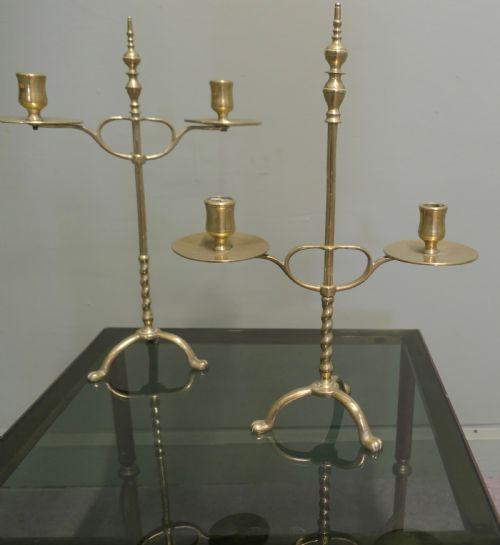
Materials vary widely across the selection. Whilst some pieces utilise solid brass or bronze, others feature silver-plating, sterling silver, or pewter.
Gilt bronze and ormolu involve a bronze substrate treated with gold, whilst heavier supports frequently incorporate marble.
How do I identify French pieces?
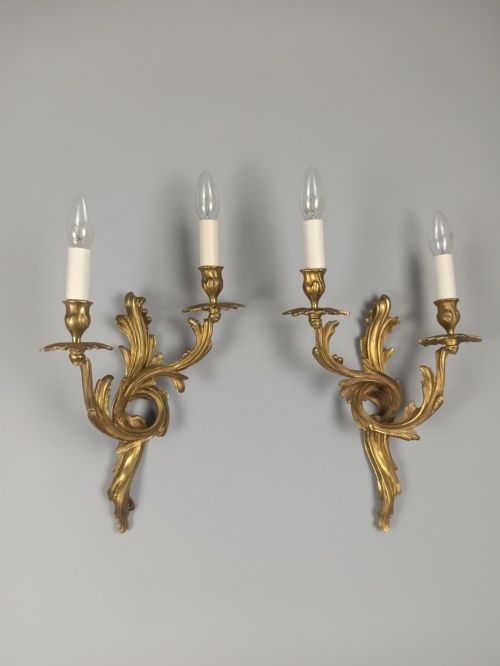
French examples often incorporate characteristic motifs such as cherubs, classical drapery, and rococo scrollwork. The use of gilt bronze and ormolu is particularly prevalent in French manufacturing.
Stylistic cues include French Chateau, Second Empire and Louis XVI design vocabularies.