


Classical Bronze Figure Groups
Classical bronze figure groups bring mythological narratives and classical themes into domestic spaces through enduring cast metal.
Classical Bronze Figure Groups
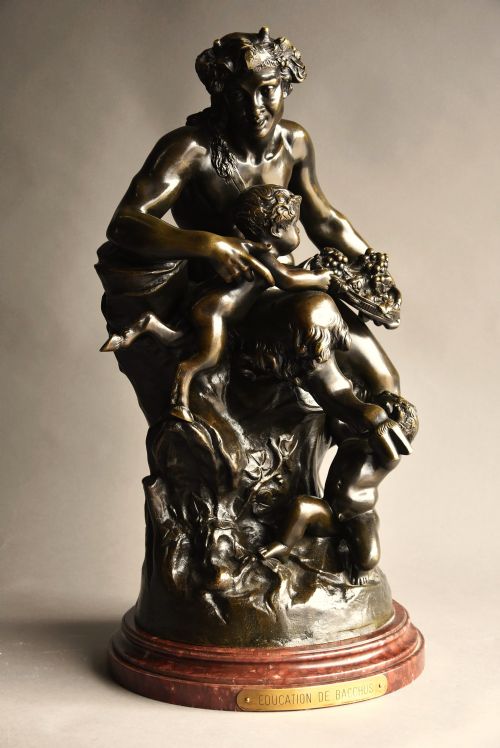
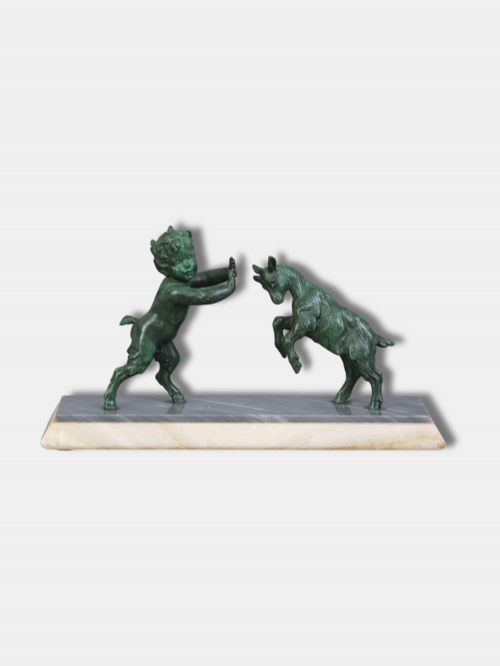
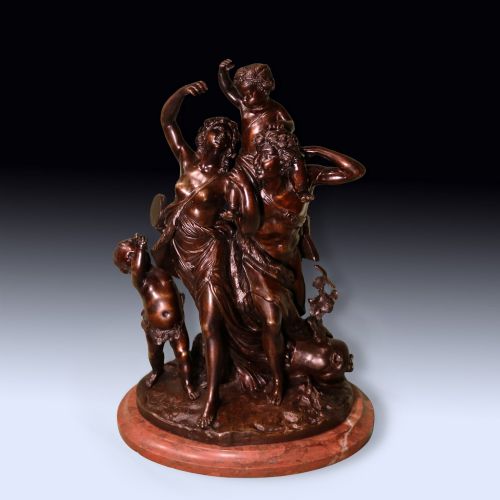
Classical bronze figure groups encompass multi-figure sculptural compositions rooted in mythological and historical themes. When searching for classical bronze figure groups, buyers encounter works depicting satyrs, putti, bacchanalian scenes, and classical maidens, predominantly originating from nineteenth-century French workshops.
These sculptures frequently draw inspiration from earlier makers such as Clodion, translating classical ideals into tabletop bronzes. Many pieces incorporate integral bases or mount directly onto marble pedestals, ranging from rouge marble to dark stone variants.
How they were made
Foundries utilised traditional lost-wax casting and sand-casting techniques to capture intricate details in molten bronze. Metalworkers then applied patination, ranging from dark patinas to silvered bronze and gilt brass finishes, to enhance depth and texture.
Listings feature periods spanning from the Georgian era through the nineteenth century, including specific dates such as 1850, 1880, 1890, and 1910.
What varies in quality
Quality in these sculptures rests upon the crispness of the chase work and the sensitivity of the cast. Superior examples retain sharp facial expressions, delicate fingers, and clean surface textures without obscuring tool marks beneath heavy lacquer.
The sophistication of the composition and the weight of the bronze itself distinguish finer works. Bases fitted tightly to marble pedestals and richer, varied patination separate workshop productions from standard commercial castings.
Claude Michel Clodian·Emile Carlier·Carl Kauba·Charles Cumberworth·Emile Laporte·Simon Louis Boizot
The Classical Bronze Figure Groups Glossary
- Patina
- The surface coloration and chemical sheen developed naturally over time or applied chemically by the foundry. A dark patina is frequently seen on nineteenth-century French casts.
- Lost-wax casting
- A method of metal casting in which a molten metal is poured into a mould that has been created by means of a wax model. This technique allows for complex, multi-figure groupings.
- Putto
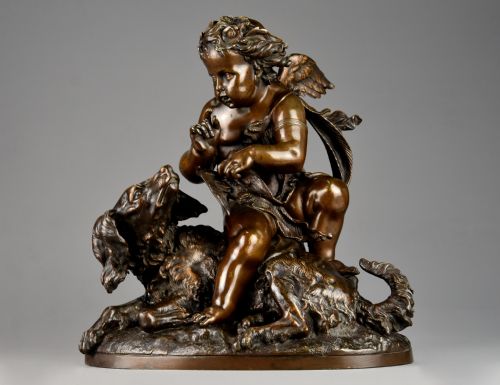
- A representation of a human infant, usually nude and sometimes winged, depicted in classical art. Putti frequently appear alongside satyrs and bacchic figures in these groups.
- Grand Tour
- A traditional trip of Europe undertaken by upper-class European young men of sufficient means. Souvenirs from these travels often included smaller classical bronzes.
Classical Bronze Figure Groups: Frequently Asked Questions
How do I clean a bronze sculpture?
Dust the surface gently with a soft, dry brush to remove settled particles without disturbing the patina.
Avoid using water, chemical cleaners, or polishes, as these substances can strip the protective finish from the metal.
What subjects do these figures depict?
The compositions draw heavily from classical mythology, focusing on bacchic revels, satyrs, fauns, maidens, and putti.
Many pieces replicate or reinterpret famous eighteenth-century models by sculptors such as Clodion.
Are these pieces purely French?
The majority of the listings record French origins, particularly from nineteenth-century Parisian foundries and ateliers.
Maker signatures and stylistic traits commonly align with French neoclassical and academic traditions of the period.
How are they mounted?
Many figure groups are secured directly to heavy stone supports, such as rouge marble pedestals or dark marble bases.
This mounting provides physical stability for multi-figure compositions and adds architectural weight to the piece.