





Antique Metal Putti Sculptures
These antique metal putti sculptures capture centuries of classical figural casting, offering expressive child figures in bronze, lead, and cast iron.
Antique Metal Putti Sculptures
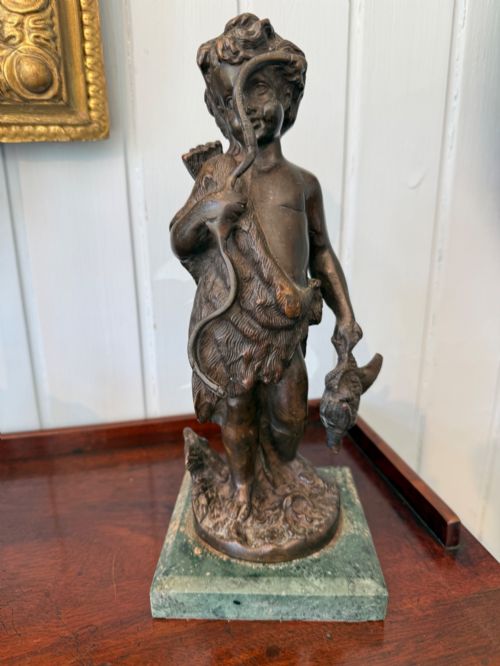
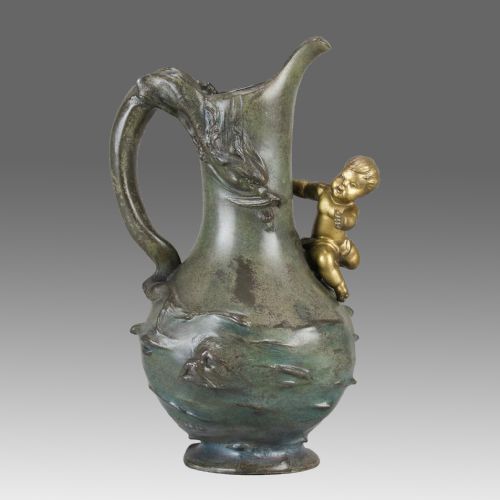
When you search for antique metal putti sculptures, you encounter figural works depicting cherubs, cupids, and winged children in various poses. These pieces manifest as standalone statues, garden figures, doorstops, and decorative elements integrated into mantel clocks and pitchers.
The selections span several centuries, with nineteenth-century bronze models forming the core of what you will meet. You also encounter lead garden figures and cast iron pieces spanning from the eighteenth century to the mid-twentieth century.
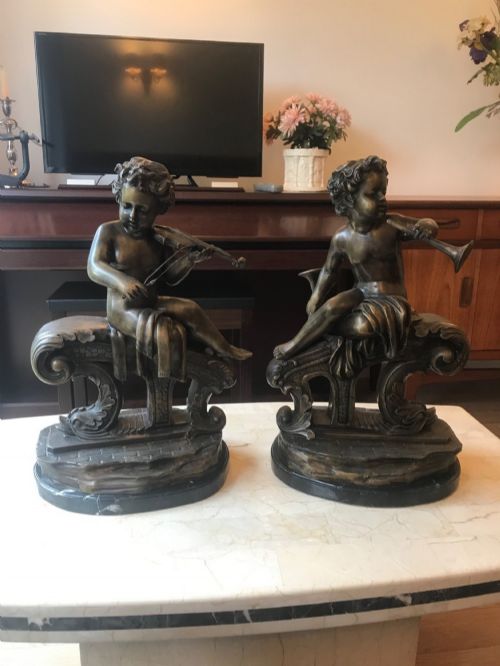
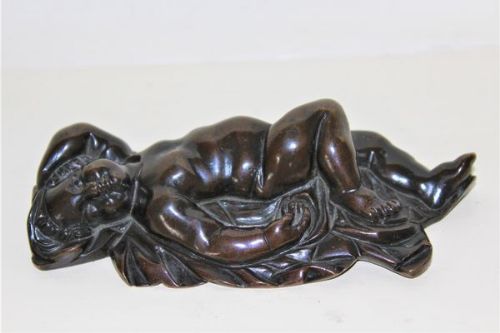
Makers and foundries from English, French, and Italian traditions shaped these figures in styles ranging from Neoclassical and Rococo Revival to Art Nouveau. Pairs of musical cherubs and single seated or sleeping figures recur frequently across the available selections.
How they were made
Foundries typically produced these sculptures using traditional metal casting methods, predominantly working in bronze, ormolu, and patinated bronze. Artisans also utilised lead for garden pieces and cast iron for robust items like doorstops.
Surface finishes received careful attention through patination, gilding, or enamelling to highlight the anatomical details of the child figures. Some sculptures incorporate secondary materials such as marble bases or inlaid wood supports.
Listings feature bronze, lead, and cast iron materials across periods ranging from the eighteenth century to the mid-twentieth century.
What varies in quality
The refinement of the chasing and finishing work distinguishes superior castings from simpler production pieces. Crisp definition in the hair, wings, and facial expressions indicates skilled workshop execution.
The depth and integrity of the patina or gilding contribute significantly to the visual presence of the metalwork. Furthermore, signed works by recorded sculptors carry distinct artistic provenance.
Leon Message·Jollet et Cie·Georges Van De Voorde·Charles Cumberworth·Ferrand
The Antique Metal Putti Sculptures Glossary
- Putto
- A representation of a plump, naked male child, often winged, derived from classical art. They appear frequently in Renaissance and later revivals as decorative motifs.
- Ormolu
- Gilded bronze, where finely ground gold is applied to a bronze base using a mercury amalgamation process. This technique produces a rich, durable golden surface.
- Patina
- The surface coloration and sheen acquired by metal through age and chemical treatment. A well-preserved patina enhances the sculptural contours.
- Neoclassical
- A style inspired by the classical art and culture of ancient Greece and Rome. It emphasises restraint, proportion, and classical mythological subjects.
- Grand Tour
- A cultural journey undertaken by wealthy young Europeans to continental sites of antiquity. Souvenirs from these trips often included small bronze sculptures.
Antique Metal Putti Sculptures: Frequently Asked Questions
What is a putto sculpture?
A putto sculpture depicts a small child, often winged, modelled after classical motifs found in ancient art.
These figures represent cupids or cherubs and serve decorative or allegorical roles in European metalwork.
How do I identify bronze putti?
Bronze pieces exhibit a heavy weight, a resonant sound when tapped gently, and a metallic composition beneath any surface patination.
Inspect the underside or seams for casting marks and evidence of traditional foundry work.
Where were metal cherub figures placed?
Historical interiors featured these sculptures on mantelpieces, integrated into clock cases, or utilised as functional items like doorstops and pitchers.
Larger lead examples stood outdoors in gardens and courtyards.
How do I care for antique metal sculptures?
Dust the surface gently with a soft, dry cloth to prevent the accumulation of dirt in the recesses of the casting.
Avoid abrasive cleaners and moisture, which can damage historic patinas and gilded finishes.