


Antique Winged Putto
An antique winged putto brings the spirited grace of classical sculpture into a room through bronze figures, carved oak panels, and candelabra.
Antique Winged Putto
When you search for antique winged putto, you encounter sculptural works and decorative objects depicting winged cherubs or cupids. These pieces range from substantial bronze figures and fountain groups to carved architectural fragments and lighting mounts.
The selections span centuries, featuring items from the eighteenth, nineteenth, and early twentieth centuries. French workshops and Italian makers produced many of the metal and marble works, while German porcelain factories contributed modelled figures.
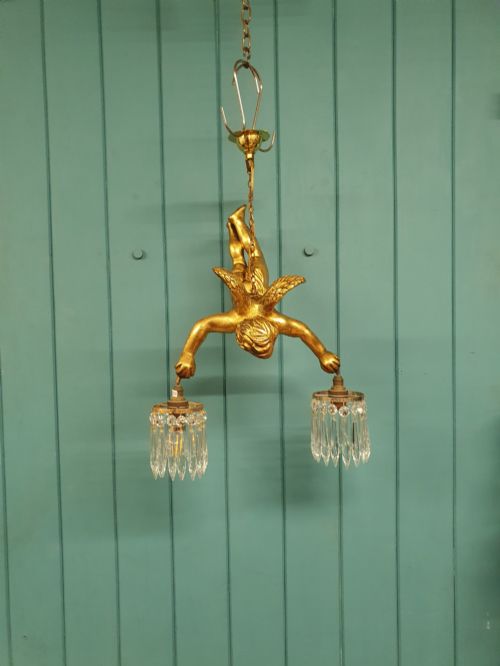
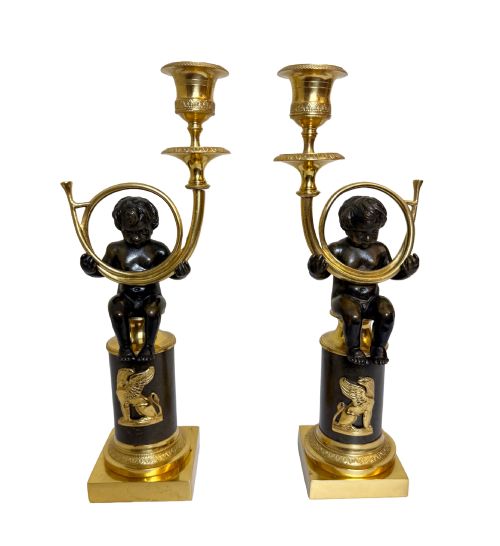
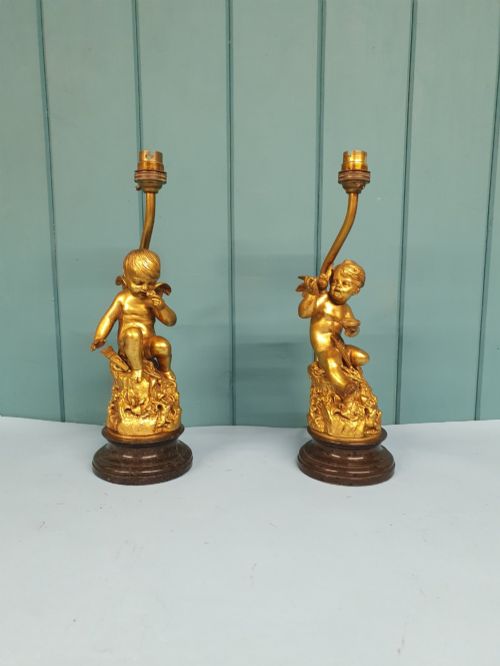
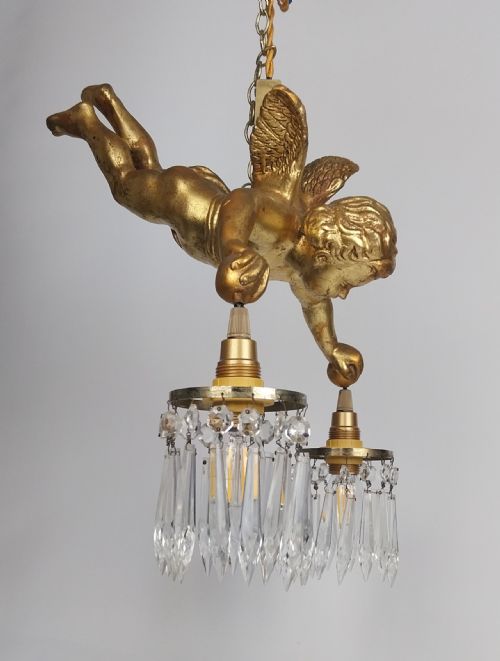
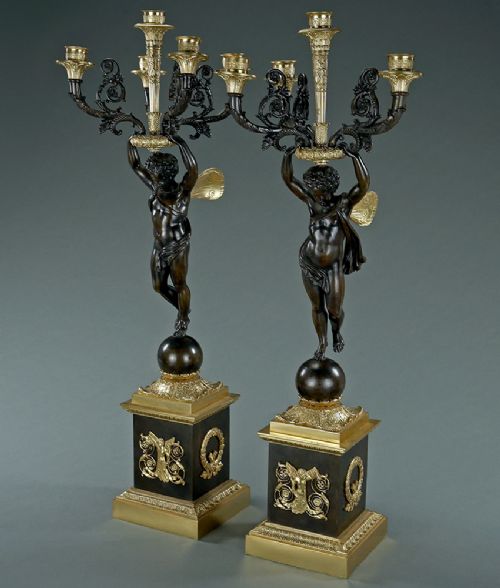
Lighting components such as chandeliers, wall brackets, and candelabra frequently incorporate these winged figures. Table accessories and clock cases also utilise the motif, integrating classical mythology into functional household objects.
How they were made
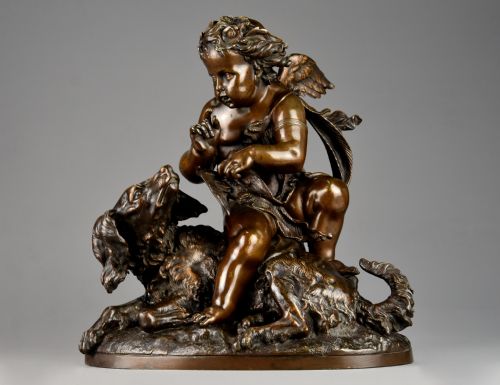
Foundry workers utilised the lost-wax method or sand-casting techniques to shape patinated bronze, gilt bronze, and brass. Sculptors and metalworkers then chased the cooled metal surfaces to sharpen details such as hair, wings, and drapery.
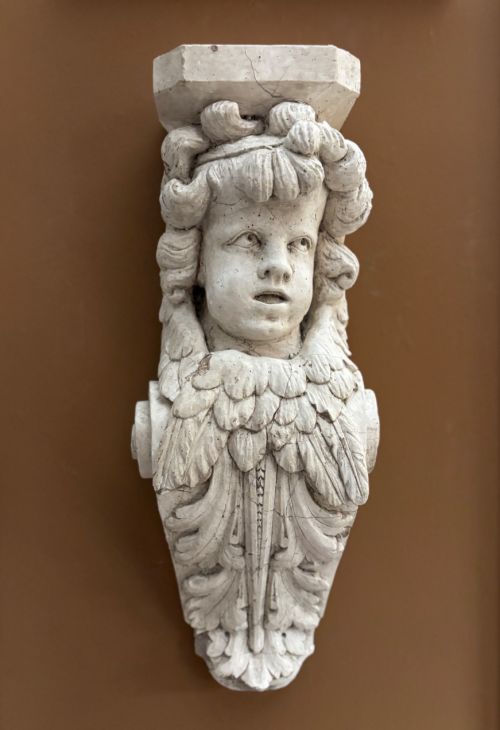
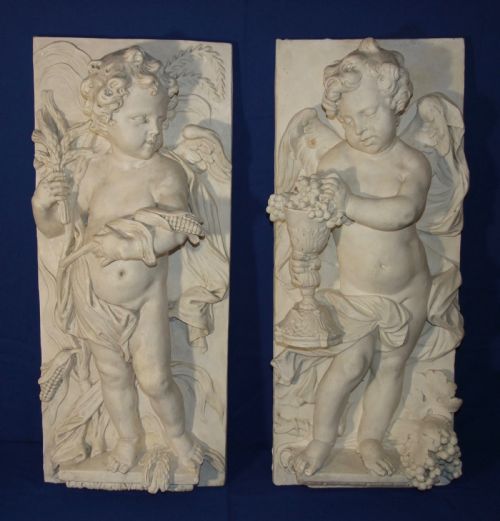
Woodcarvers worked with oak to produce architectural reliefs and wall corbels, employing chisels to create deep relief. Ceramic pieces from Meissen were slip-cast or hand-modelled in soft-paste porcelain, then painted with enamel colours and fired.
The selection includes functional lighting alongside freestanding sculptures and wall friezes.
What varies in quality
The crispness of the chasing on bronze figures separates superior castings from softer, mass-produced examples. Finer works retain sharp articulation in the feathers of the wings and the expression of the face, whereas lesser items lose definition in the secondary finishing stages.
Materials dictate presence, with heavy patinated bronze and carved solid oak commanding greater visual weight than gilt spelter or plaster casts. The integration of auxiliary materials like white marble bases and cut glass crystals further distinguishes the grade of the piece.
Louis Auguste Moreau·Charles Cumberworth·Johann Joachim Kändler
The Antique Winged Putto Glossary
- Putto
- A figure of a small winged boy, frequently found in Renaissance, Baroque, and nineteenth-century art. The plural form is putti.
- Candelabra
- A branched candlestick holding multiple lights. These often feature putti figures supporting the arms.
- Spelter
- An alloy of zinc used as a cheaper substitute for bronze. It takes a gilt or painted finish easily.
- Chasing
- The manual finishing of a metal casting using small punches and hammers to refine surface details. This step separates basic foundries from master workshops.
- Corbel
- A structural bracket projecting from a wall to support a weight. Carved wooden putti frequently form these architectural elements.
Antique Winged Putto: Frequently Asked Questions
What is an antique winged putto?
An antique winged putto is a sculptural representation of a cherub or cupid, appearing in metal, wood, ceramic, and marble. These figures derive from classical motifs and decorate everything from freestanding bronzes to architectural corbels.
Craftsmen across Europe produced these items from the eighteenth century through the early twentieth century. They served as decorative accents, lighting supports, and focal points in grand interiors.
How were bronze putti figures made?
Foundries cast bronze figures using traditional methods like the lost-wax technique or sand casting. Molten metal poured into moulds created the basic shape of the cherub.
After cooling, artisans chased the surface with tools to define feathers, curls, and facial expressions. A chemical patina or layer of gilding was then applied to finish the exterior.
How do I date a putto carving?
Dating relies on examining the wood species, tool marks, and stylistic indicators such as Baroque or Neoclassical proportions. Eighteenth-century carvings in oak display hand-tool signatures and deeper undercutting than later revival pieces.
Secondary materials and mounting techniques also help narrow the timeline. Nails, screws, and fixings associated with the base or hardware point to specific manufacturing decades.
Where were these pieces displayed?
Original settings included salons, dining rooms, and private chapels where they functioned as candelabra, mantel clocks, and wall brackets. Lighting fixtures positioned putti to hold candles or electric bulbs above tables and seating areas.
Smaller porcelain and bronze figures rested on desks, sideboards, and pedestals. Architectural corbels and wall friezes remained fixed to plaster walls and wood-panelled libraries.