

1920s Art Deco Figurine
A 1920s art deco figurine captures the movement and bold geometry of the interwar period, offering collectors expressive dancers and animals in metal and ceramic.
1920s Art Deco Figurine
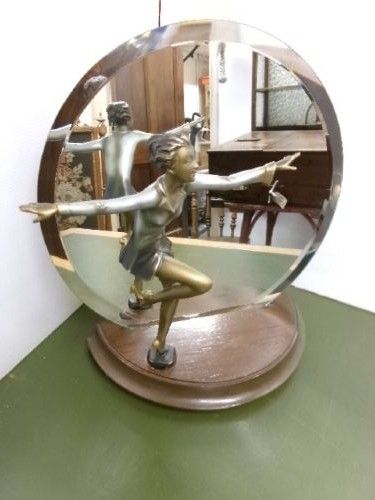
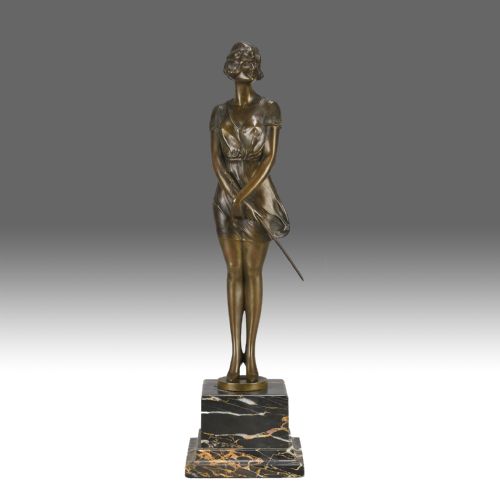
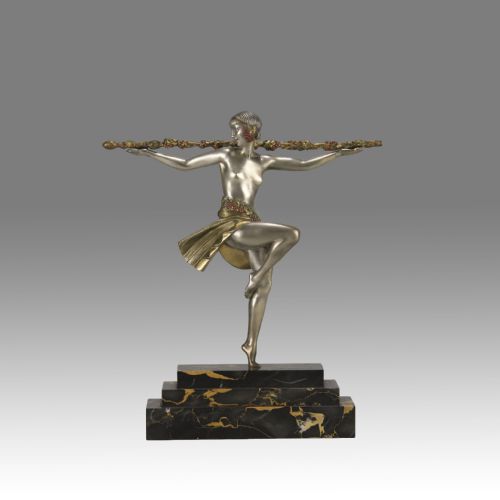
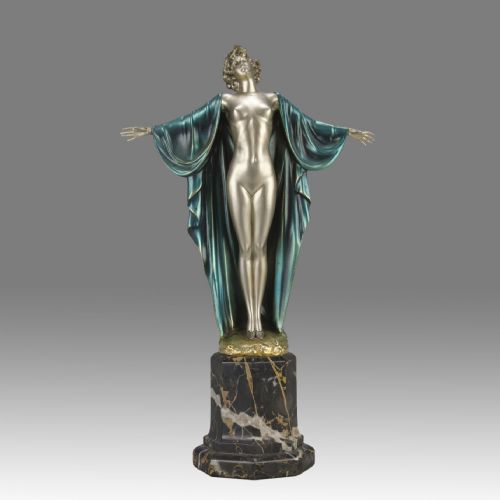
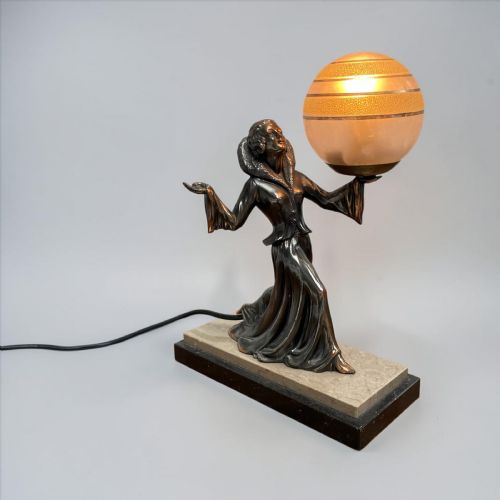
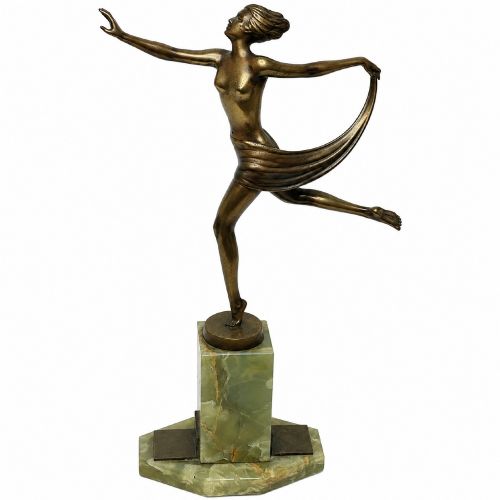
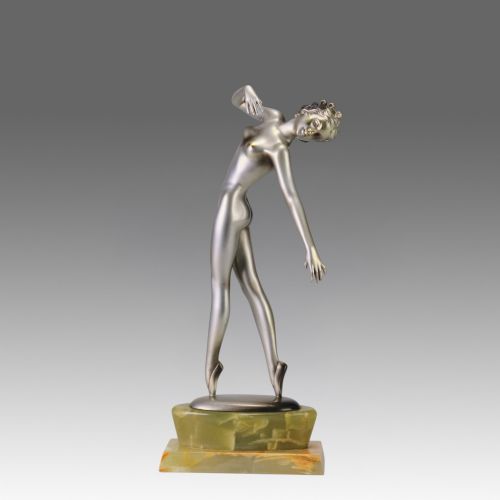
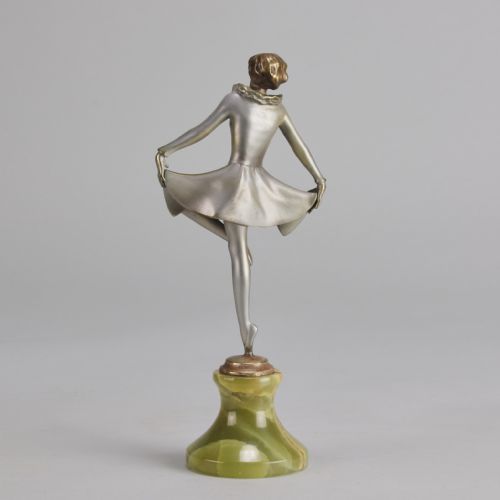
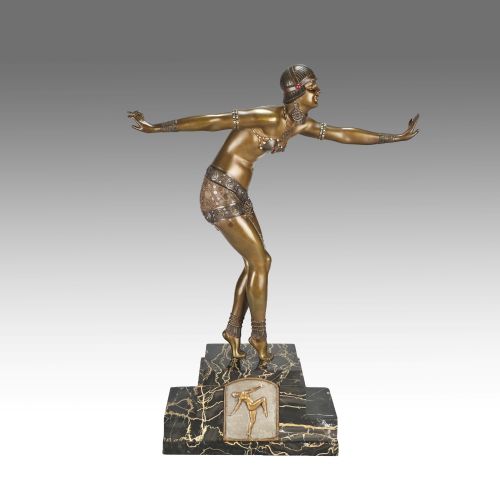
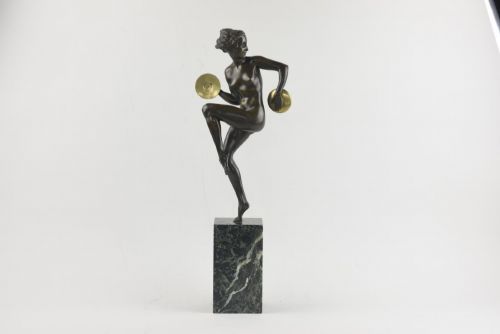
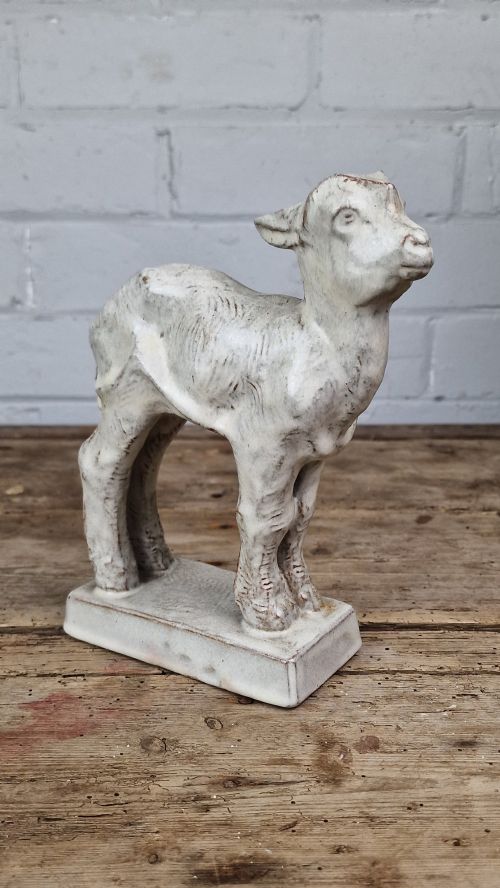
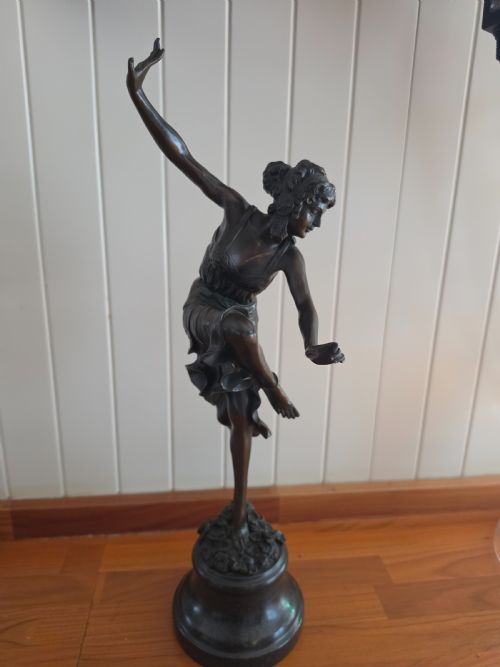
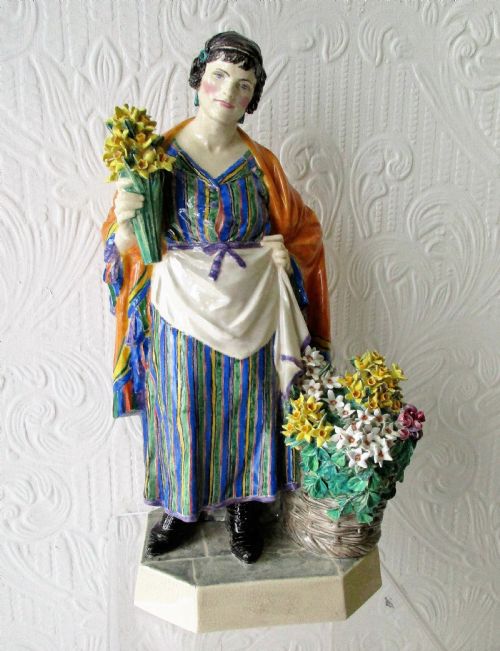
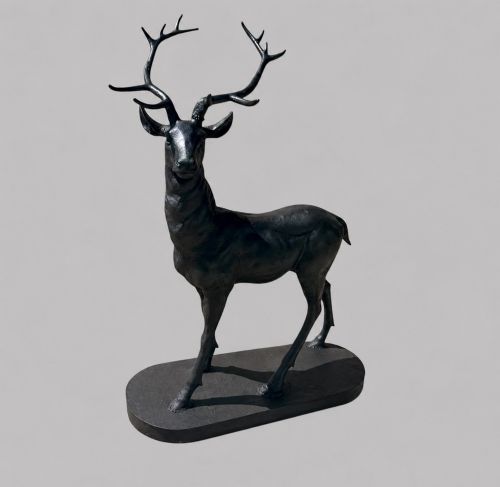
A 1920s art deco figurine encompasses a diverse range of sculptures, statuettes, and functional table lamps created during the early twentieth century. The selection leans heavily towards energetic human forms, particularly dancers, alongside select animal studies and figures cast in metal or formed in ceramics.
Makers and foundries across Austria, France, and Britain produced these works in varied scales, from small car mascots to substantial mantel sculptures. Many pieces combine metal casting with carved details or rest upon contrasting plinths made of marble or onyx.
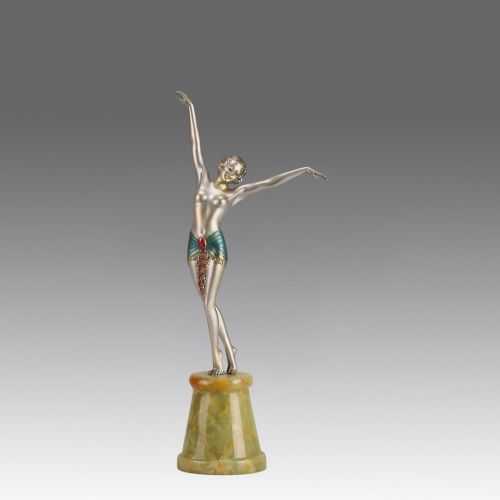
The dominant aesthetic reflects the dynamism of the period, favouring stylised postures, theatrical costumes, and athletic human subjects. Collectors encounter everything from patinated and cold-painted bronze statuettes to porcelain powder boxes and glass lampwork.
Materials and technique
Ceramic and porcelain works involved moulded earthenware, terracotta, and glazed finishes, often seen in studio pottery and dresser boxes. Glass pieces utilised specialist lampwork and opalescent moulding techniques to create translucent decorative objects and car mascots.
Stone elements such as marble, alabaster, and onyx served as integral supporting plinths for metal figures, providing stability and visual contrast. Some sculptural compositions incorporated chryselephantine techniques, combining metal elements with carved ivory.
Even cycling enthusiasts joined the sculptural trend, with sturdy spelter racers pumping their pedals atop polished onyx plinths.
What separates the grades
The precision of the original metal casting and the subtlety of the surface finishing dictate the distinction between ordinary and superior works. Hand-applied cold painting that retains crisp detail and rich pigment demonstrates higher workshop execution than flat or uniform patination.
The integration of the figure with its base material reveals the maker's intent, where fitted marble or onyx plinths complement the proportions of the sculpture. Signed editions associated with recognised founders and sculptors carry greater authority in design and execution.
Bruno Zach·Pierre le Faguays·Ferdinand Preiss·Josef Lorenzl·Demetre Chiparus·Charles Vyse·Karl Ens·Claire Jeanne Roberte Colinet
The 1920s Art Deco Figurine Glossary
- Cold-painted
- A technique where paint is applied to a bronze or metal object without subsequent firing or heat treatment. This finish requires careful preservation over time.
- Chryselephantine
- A term describing statues made from a combination of bronze and ivory. The method highlights contrasting textures in figurative sculpture.
- Spelter
- A zinc alloy frequently utilised as a cost-effective alternative to bronze for casting decorative figures and lamps. It often carries a patinated or painted surface.
- Patina
- The surface coloration or sheen developed on bronze through age or chemical treatment. It adds depth and character to sculptural contours.
- Car mascot
- An ornamental figurine mounted on the radiator cap of an automobile during the period. These figures were produced in bronze, glass, and chromium-plated metals.
1920s Art Deco Figurine: Frequently Asked Questions
What materials are typical for these figures?
These pieces primarily feature cast bronze, spelter, ceramic, porcelain, and glass, frequently mounted on marble or onyx bases. Many metal examples incorporate cold-painted finishes or gilt details.
Secondary materials include alabaster and terracotta, reflecting the diverse manufacturing centres across Europe during the period.
How were these decorative items used originally?
Many figures served as decorative mantel sculptures, desk ornaments, or centrepieces in period interiors. Others doubled as functional items such as table lamps, trinket boxes, or automobile mascots.
Figurines often represented contemporary themes like dance, theatre, and sports, fitting the modern lifestyle of the interwar years.
How do I identify a cast metal type?
Bronze objects generally feel heavier and display a finer quality of detail in the casting compared to spelter alternatives. Spelter is a softer zinc alloy that often shows a different grain structure beneath worn patination.
Signatures or foundry marks stamped into the metal or the stone base provide further clues to the origin and composition.
How should I care for cold-painted bronze?
Cold-painted surfaces require gentle treatment with a dry microfiber cloth to remove dust without disturbing the fragile pigment. Avoid chemical cleaners, moisture, and direct sunlight, which can cause the paint to flake or fade.
Maintaining a stable indoor humidity helps protect both the metal substrate and the delicate surface decoration.