



French Bronzes Dark Patina
French bronzes dark patina bring substantial weight and rich character to a room, ranging from animalier hounds to Art Deco dancers.
French Bronzes Dark Patina
When you search for french bronzes dark patina, you find sculptural objects and functional items spanning the Victorian era through the early twentieth century.
The selections include animalier studies of sighthounds, greyhounds, pheasants, pigs, and basset hounds, alongside human figures such as dancers and slave girls.
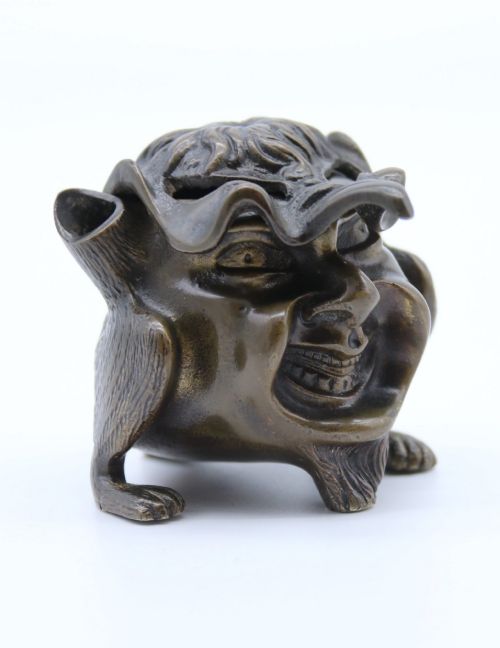
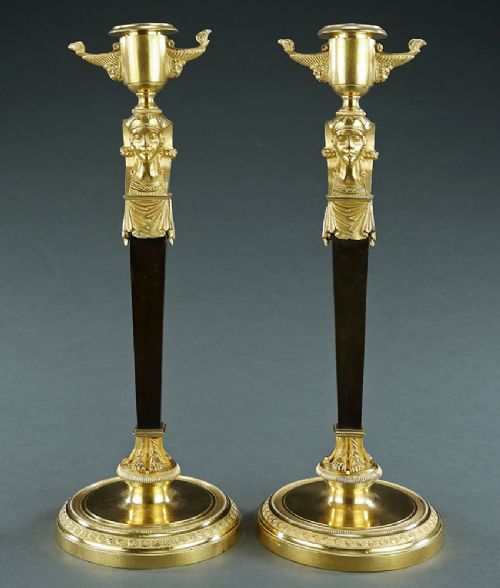
Functional pieces take the form of inkwells shaped like grotesque creatures, candlesticks in the Retour d'Egypte style, and table lamps.
How they were made
Foundry work relied on traditional casting methods using bronze and patinated bronze, frequently mounted on marble bases to give stability and contrast.
Some works incorporate gilt bronze details or utilise alternative metals such as spelter for sculptural lamps.
Foundries like Barbedienne handled the casting for notable sculptors, ensuring precise detail in the dark patination.
What varies in quality
The distinction between standard decorative items and exceptional works lies in the crispness of the chasing and the depth of the dark patina.
Animalier studies achieve higher regard when the musculature, movement, and anatomy of the subject reflect close observation of nature.
Signature placement and foundry marks confirm the hand of established sculptors and reputable workshops.
Pierre Jules Mene·Emmanuel Villanis·Isidore Bonheur·A L Barye·Barbedienne·Moreau
The French Bronzes Dark Patina Glossary
- Animalier
- A nineteenth-century artistic movement focused on the realistic depiction of animals. Sculptors in this tradition studied anatomy closely.
- Patinated bronze
- Bronze treated with chemical solutions to produce a dark, protective, or decorative surface finish. This layer ages distinctively over time.
- Spelter
- A zinc alloy commonly utilised as a substitute for bronze in decorative figures and lamps. It is lighter and softer than true bronze.
- Retour d'Egypte
- A neoclassical design style inspired by Napoleon's campaign in Egypt. It incorporates ancient Egyptian motifs into European decorative arts.
French Bronzes Dark Patina: Frequently Asked Questions
How do I identify animalier bronze figures?
Animalier bronzes focus specifically on animals in naturalistic poses, often showing great attention to anatomical detail and movement. These sculptures date primarily from the nineteenth and early twentieth centuries.
Look for signed bases and evidence of quality casting, which distinguish artistic studies from mass-produced ornaments.
What is a dark patina?
A dark patina is the surface coloration achieved through chemical treatment applied to the bronze by the foundry. It protects the metal and provides the deep, aged tone characteristic of antique bronzes.
Over decades of handling, the high points of the bronze may brighten slightly while recessed areas retain their darker shade.
How were these decorative bronzes used originally?
Many French bronzes served both decorative and practical functions in period interiors. Pieces included inkwells for writing desks, candlesticks for illumination, and paperweights alongside standalone sculptures.
Larger figures functioned as ornamental sculptures displayed on mantelpieces, pedestals, or library tables.
How do I distinguish bronze from spelter?
Bronze is a heavy, durable copper alloy that takes a deep patination and shows crisp detail from the casting process. Spelter is a zinc-based metal that is lighter in weight and softer.
Spelter items often appear in decorative lamps and frequently show different wear patterns where the surface coating has worn away.