




Marble Base Bronze Sculpture
A marble base bronze sculpture brings weight and classical permanence to a room, uniting cast metal with polished stone.

What these pieces are
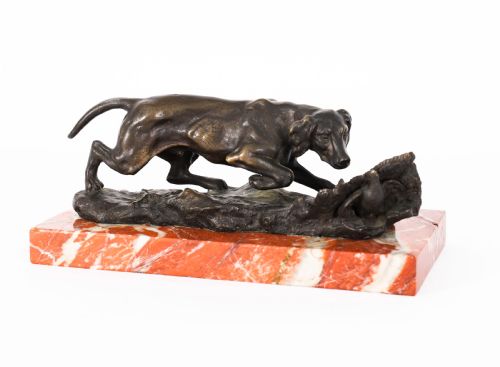
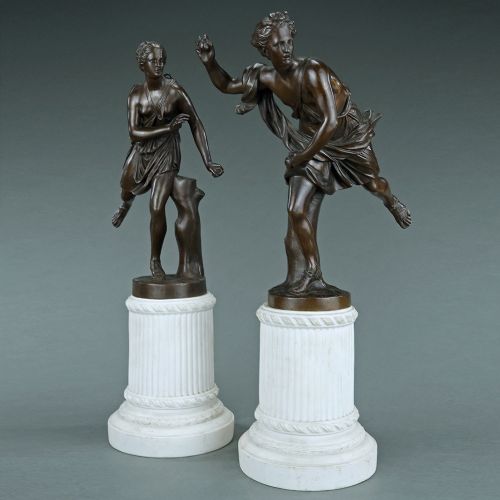
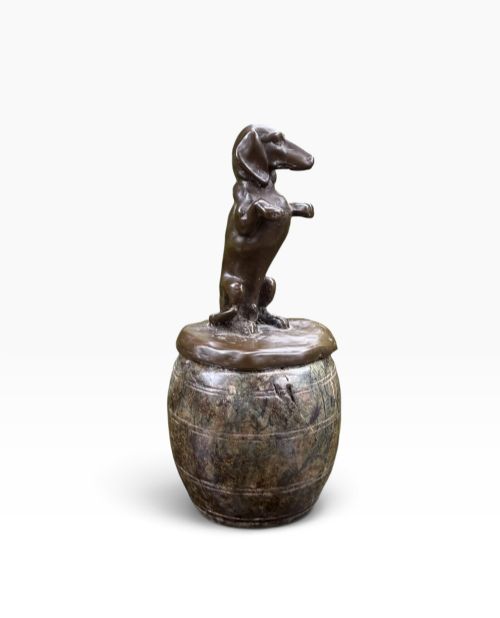
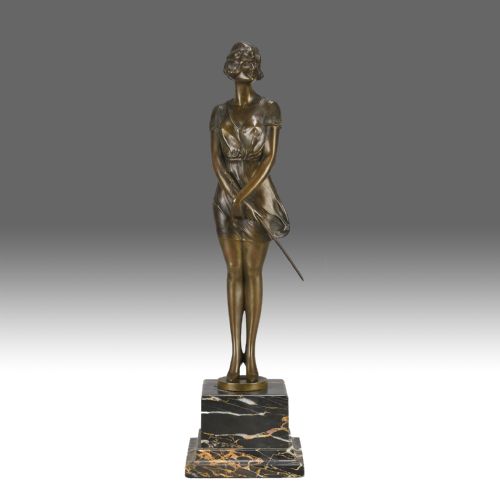
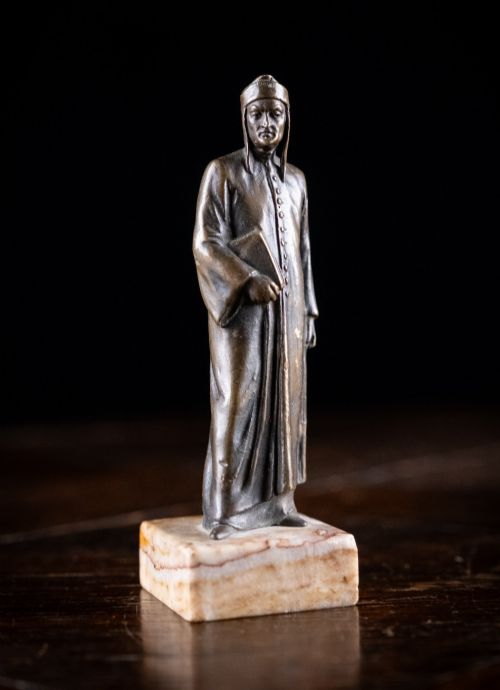
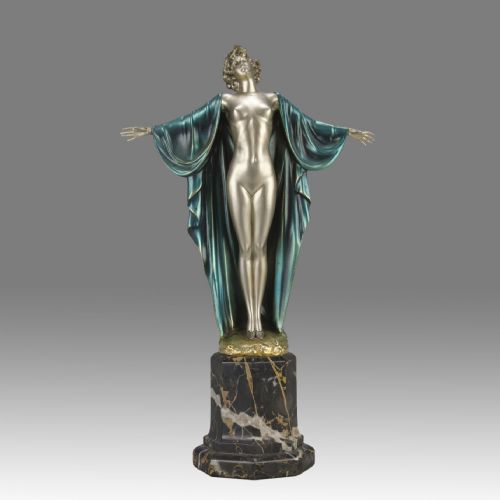
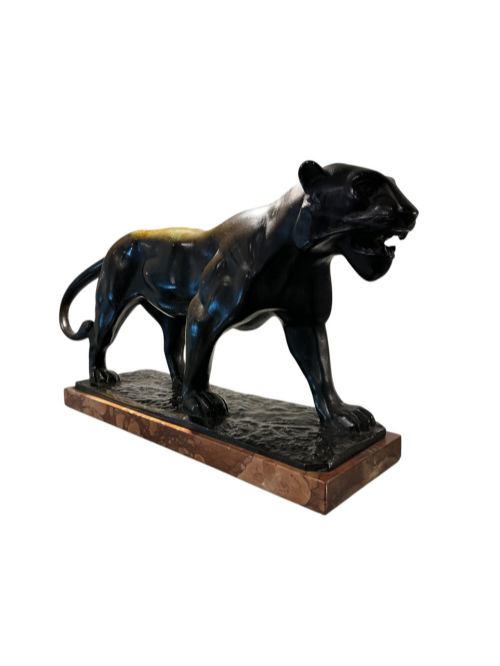
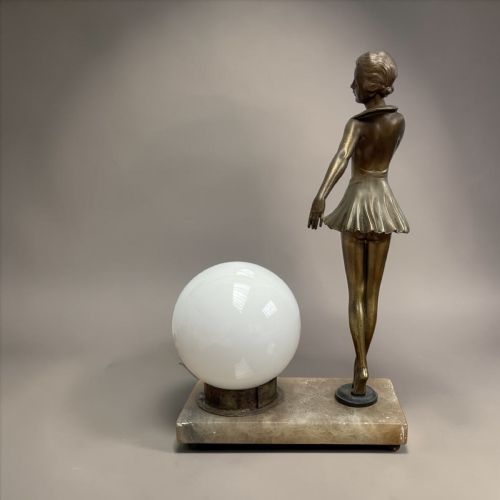
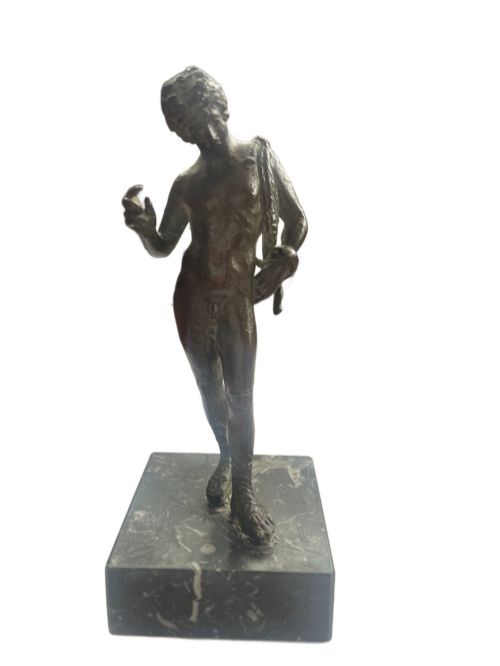
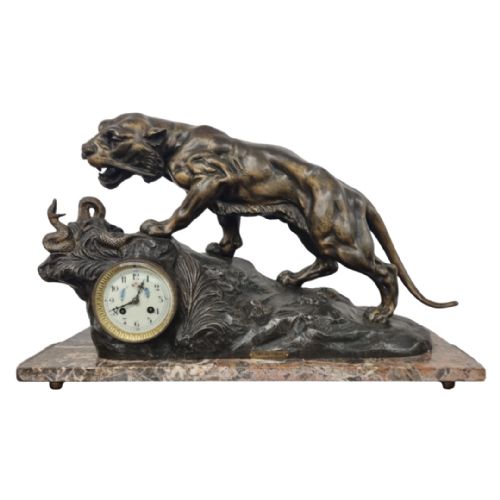
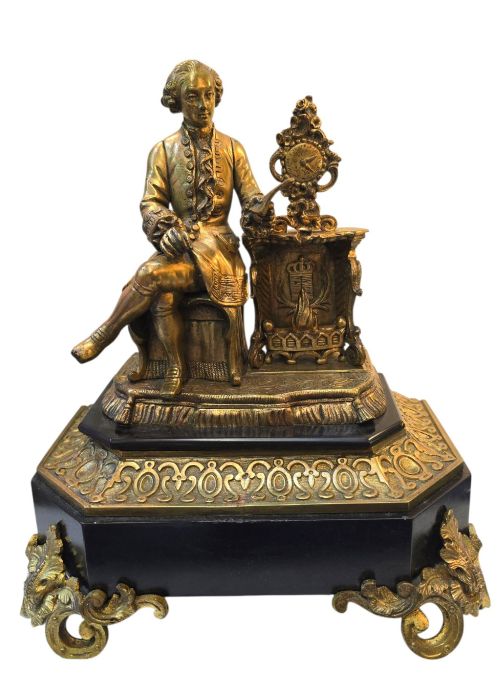
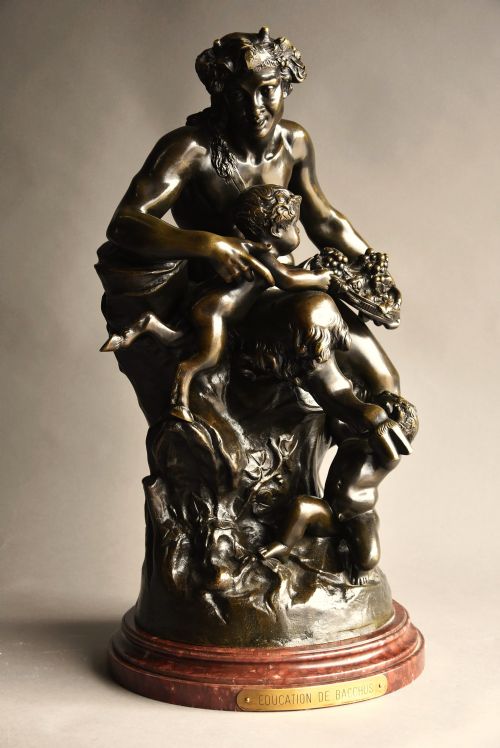
A marble base bronze sculpture combines cast metal figures with solid stone plinths, ranging from classical mythological reductions to sleek modernist dancers. Collectors seek out these works for their tangible presence and the contrast between cool polished stone and warm patinated metal. You are most likely to encounter nineteenth century Grand Tour souvenirs alongside twentieth century Art Deco animalier studies on this page.
The subjects span human figures, dancers, sporting dogs, panthers, and classical deities mounted firmly onto heavy plinths. Nineteenth century examples often reproduce famous antiquities from Italian foundries, while later pieces capture the dynamic lines of the 1920s. Every piece rests on a distinct geological foundation, utilising materials from simple black marble to richly veined Sienna and Portoro varieties.
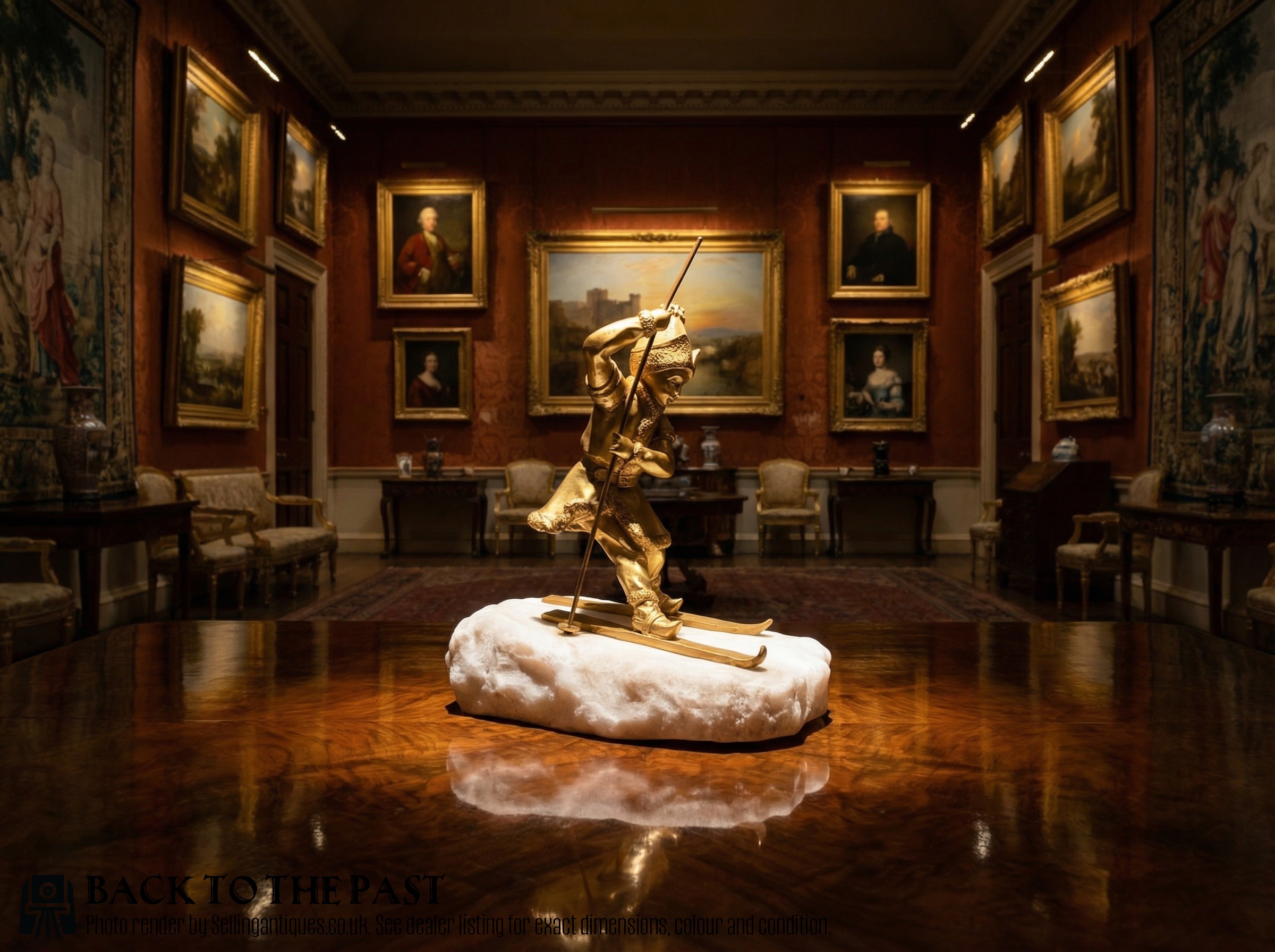
How they were made
Foundries produced the metallic elements using traditional lost-wax casting methods or sand casting, capturing intricate details in the figures before applying surface finishes. Artisans then treated the metal with chemical patination to achieve deep browns and greens, or applied layers of gilding to highlight specific areas. Stonemasons cut and polished the accompanying marble bases separately to fit the contours of each cast.
Makers secured the completed bronze figures to their stone plinths using threaded pins, bolts, or hidden screws running through the base. The stone itself varied by region and period, with Italian workshops favouring decorative coloured marbles while later French studios often selected simple black or contrasting white bases. Each completed object relies on the sheer density of the marble to anchor the balanced weight of the bronze above.
Retail Price Guide 2026
Typical UK retail prices for marble base bronze sculpture, calculated from the Sellingantiques database of over a million retail prices indexed since 2003. This retail price guide relies exclusively on Sellingantiques data; no external sources or auction records are used, so the figures do not describe the wider market.
Materials recorded on this site include patinated bronze, gilt bronze, and various marbles such as Sienna, Portoro, and Verde Genova.
What varies in quality
The nuance of the chasing separates standard decorative castings from superior works of art. Skilled artisans spent hours hand-chiselling the cooled bronze surface to sharpen feathers, musculature, and facial expressions before applying the patina.
Hans Müller·Aurore Onu·Bruno Zach·Charlotte Monginot·Louis Carvin·Becquerel·E. Guy·Alonzo·L. Riche·Math Moreau·E. Villanis
The Marble Base Bronze Sculpture Glossary
- Grand Tour
- A traditional trip through Europe undertaken by young upper-class scholars in the eighteenth and nineteenth centuries to study classical art. Souvenirs from these travels included small bronze reductions of famous antiquities.
- Patinated bronze
- A metal sculpture treated with chemical solutions to produce a controlled surface colour, usually brown, black, or green. This layer protects the underlying alloy and defines the visual tone.
- Animalier
- A nineteenth century artistic movement focused on the realistic portrayal of animals. Sculptors in this style studied living creatures closely to capture naturalistic movement.
- Lost-wax casting
- A historic method of metal casting where a wax model is melted out of a ceramic mould to create a cavity for molten bronze. This technique allows for complex undercuts and fine surface detail.
- Plinth
- A heavy base supporting a statue or sculpture. In these works, stone plinths provide both visual weight and physical stability.
Frequently Asked Questions
Are these figures solid bronze?
Most sculptural castings are hollow to reduce weight and save material during the production process. Foundries achieved this by using an internal core within the mould during the casting procedure.
Despite being hollow, the walls of the bronze possess sufficient thickness to ensure structural rigidity. The accompanying marble base provides the primary counterweight for stability.
How can I tell the period?
Examine the stylistic markers of the figure, such as the flowing drapery of nineteenth century classicism or the geometric lines of Art Deco design. The choice of marble also offers clues, as certain coloured stones were favoured during specific decades.
Signatures, foundry marks, and the method of attachment beneath the base help confirm the date of manufacture. Comparing the casting quality to known studio standards clarifies the timeline.
Where should I display it?
Place the sculpture on a sturdy piece of furniture where the combined weight of the bronze and marble is safely supported. Ensure the location remains away from direct heat sources and strong sunlight that could affect the patina.
Position the piece at an eye-level height that allows you to appreciate the details of both the metalwork and the stone base. Good lighting from the side enhances the depth of the patinated surface.