


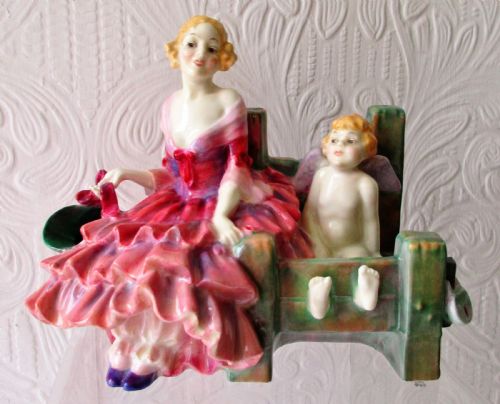
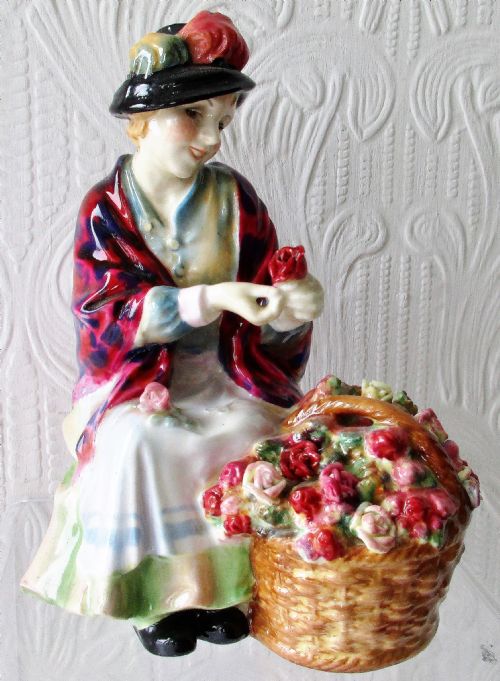
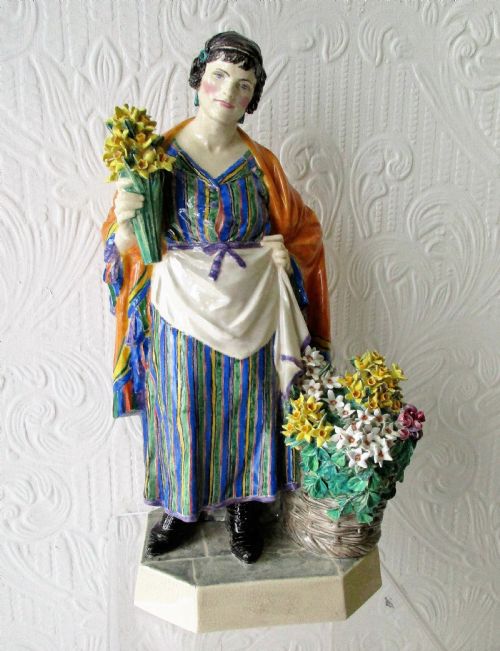
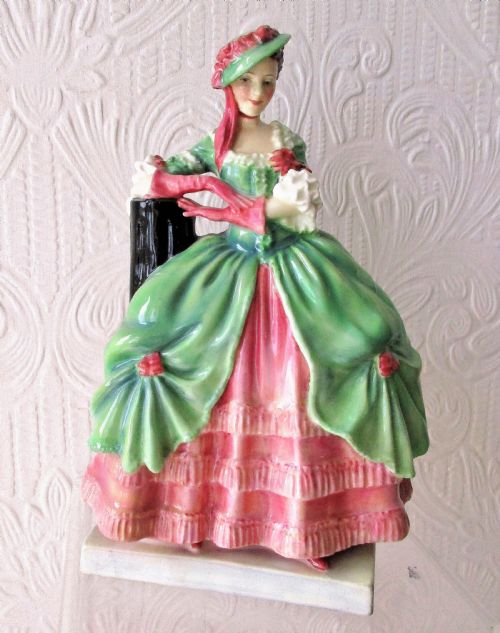


Vintage Ceramic Lady Figurine
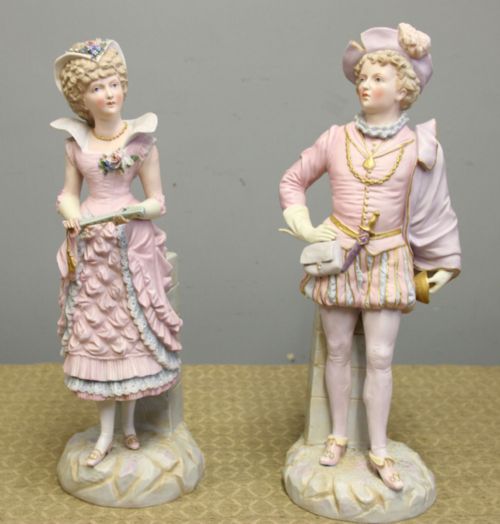
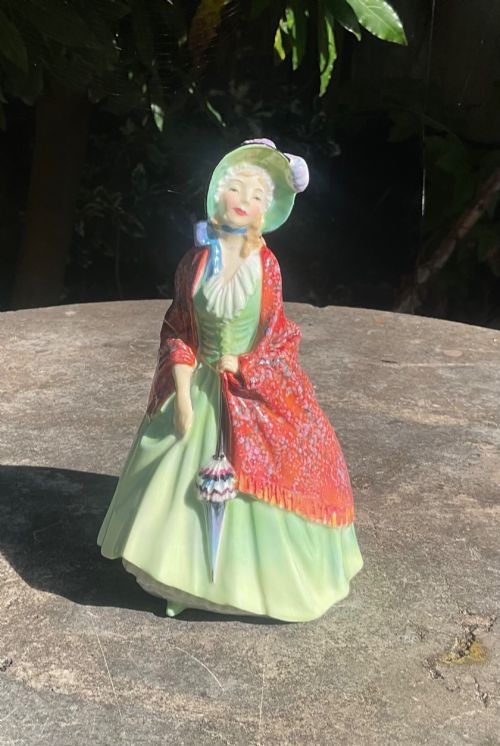
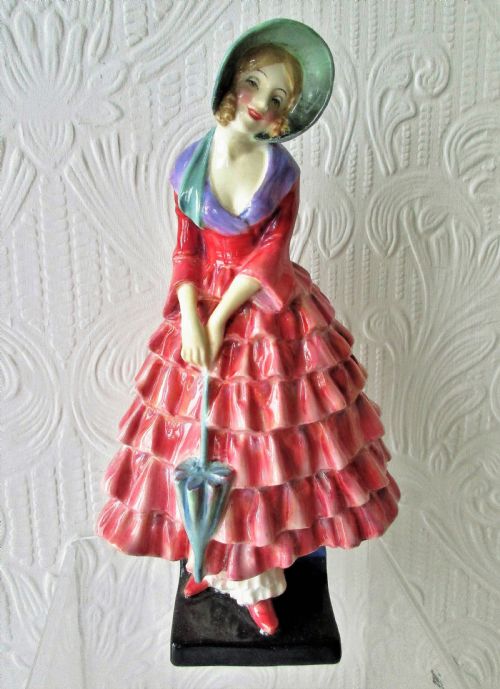
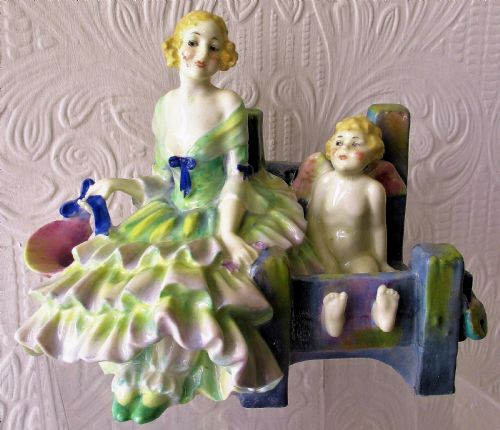
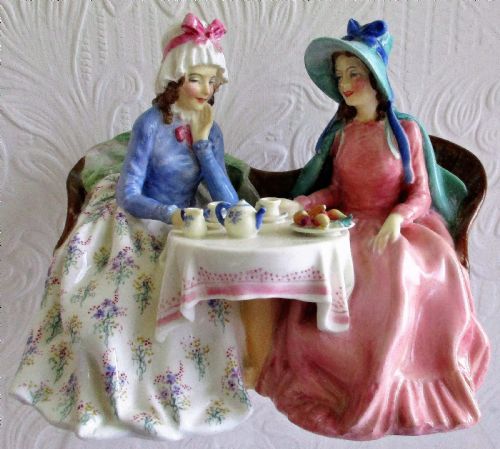
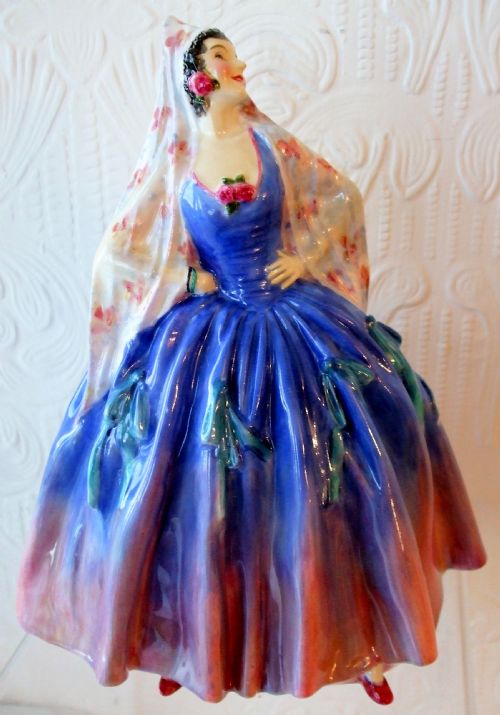
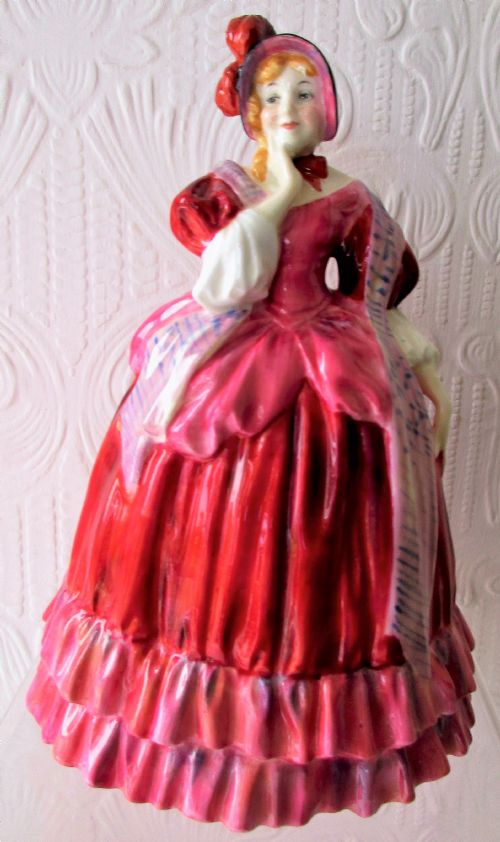
When you search for a vintage ceramic lady figurine, you uncover glazed porcelain and bone china portraits spanning periods from eighteenth-century Meissen to 1930s Art Deco.
Vintage Ceramic Lady Figurine
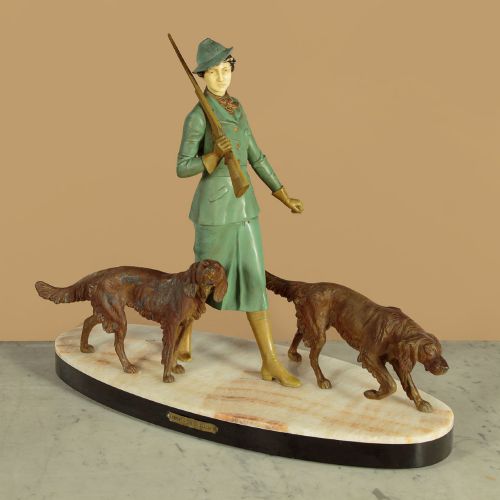
A vintage ceramic lady figurine represents women across diverse eras, encompassing formal eighteenth-century courtly figures, Art Nouveau maidens with flowing scarves, and 1930s flappers. Buyers searching this phrase most frequently encounter English porcelain character studies from the early twentieth century alongside continental powder boxes and decorative sculptures.
The selection spans utilitarian trinket boxes, perfume bottles, and hat pin holders modelled as female figures, alongside standalone ceramic statues. Formats range from monumental European porcelain maidens to delicate biscuit porcelain busts and glazed earthenware figures.
How they were made
Makers shaped these sculptures from porcelain, bone china, terracotta, and faience, applying coloured glazes, enamel, and occasional gold leaf or gilt highlights. Biscuit porcelain pieces remain unglazed, exposing the matte white body achieved through high-temperature firing.
Moulded construction predominated in twentieth-century factories, while earlier pieces involved hand-modelling and detailed painting before the final glaze firing fixed the colours.
Vintage Ceramic Lady Figurine Retail Price Guide 2026
Typical asking prices for vintage ceramic lady figurine among the pieces listed under this phrase on Sellingantiques today, from the lower quarter to the upper quarter. They describe what is for sale here now, not the wider market.
The listings span periods from 1750 to the 1940s, uniting eighteenth-century Meissen porcelain with 1930s Art Deco powder boxes.
What varies in quality
The complexity of the form also establishes the tier of the piece, separating simple slip-cast powder jars from intricate multi-part figures requiring skilled assembly before firing.
Royal Doulton·Charles Vyse·Meissen·Royal Worcester·Royal Dux·Ernst Wahliss·Ludwigsburg·Samson
The Vintage Ceramic Lady Figurine Glossary
- Biscuit
- Unglazed porcelain fired once to create a matte, porous surface resembling marble. This finish highlights fine sculptural details without the reflective sheen of a gloss glaze.
- Bone china
- A type of porcelain incorporating animal bone ash, producing a durable ceramic body with a milky white translucency. It allows for thinner walls and crisper moulded edges.
- Flapper
- A style archetype from the 1920s and 1930s depicting young women with characteristic short hairstyles and modern attire. These figures often appear on powder boxes and hat pin holders.
- Faience
- Tin-glazed earthenware produced across continental Europe, typically featuring opaque white glazes painted with coloured enamels. It provides a sturdy alternative to porcelain for figurative works.
Vintage Ceramic Lady Figurine: Frequently Asked Questions
How do I identify an Art Deco lady figurine?
Art Deco figurines typically display geometric styling, streamlined garments, and characteristic hairstyles associated with the 1930s. Many double as functional objects such as powder boxes, perfume bottles, or hat pin holders.
Makers from Germany, France, and England utilised smooth ceramic bodies and bold enamel colours to capture the modern aesthetic of the era.
What is the difference between porcelain and earthenware figures?
Porcelain is vitrified at high temperatures, resulting in a dense, non-porous material that often exhibits translucency when held to the light. Earthenware and faience are fired at lower temperatures, producing an opaque, slightly heavier ceramic body.
Figurines made from porcelain tend to retain sharper moulded details and finer painted enamel work than their earthenware counterparts.
How should I display ceramic figurines at home?
Ceramic figures benefit from stable placement away from direct sunlight to preserve painted enamel colours and gilt highlights. Enclosed display cabinets protect delicate appendages and protruding elements, such as outstretched arms or elaborate hats, from accidental knocks.
Grouping pieces by period, such as pairing 1930s English porcelain studies with continental Art Deco powder boxes, creates a cohesive cabinet display.
Are all lady figurines marked by the maker?
Many factory-produced figures carry impressed numbers, painted pattern codes, or backstamps on the underside, while others bear paper labels that have worn away over time. Unmarked pieces often require stylistic comparison with documented models to determine their origin and approximate date of manufacture.
Studio pottery and continental figures frequently rely on distinct modelling techniques and glaze signatures rather than standard factory stamps.