
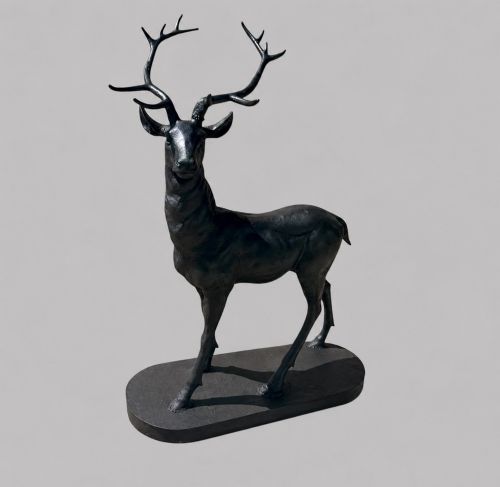
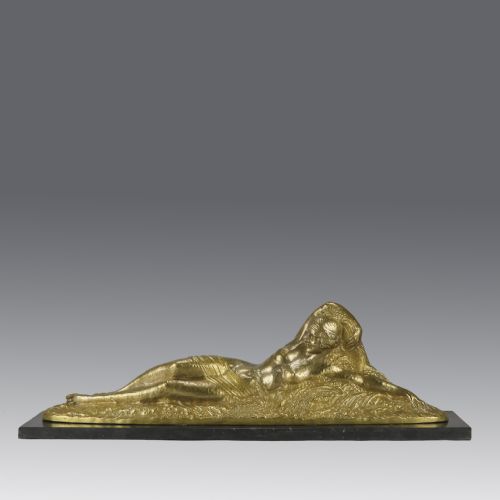

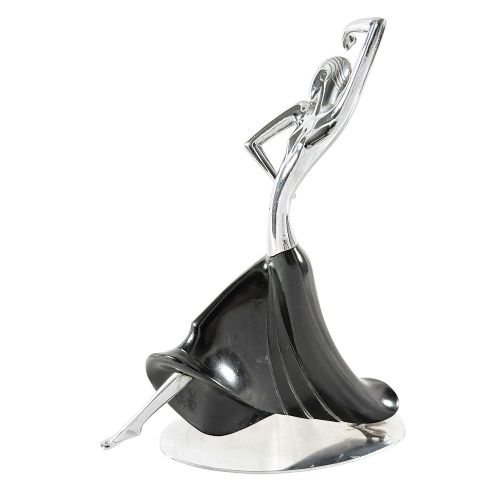


Art Deco Tabletop Sculpture
These art deco tabletop sculpture pieces capture the sharp lines and dynamic movement of the interwar period.
Art Deco Tabletop Sculpture
When you search for art deco tabletop sculpture, you encounter compact figures designed to sit upon desks, mantels and sideboards. These works capture the kinetic energy of the 1920s, 1930s and 1940s through depictions of dancers, animals and mythological subjects. Most examples date from the interwar period and combine stylized human forms with strong geometric bases.
The objects on this page span several distinct thematic categories, from Egyptian Revival candelabras to naturalistic animal studies. Dancers in motion represent a dominant form, often shown balancing on marble plinths. You will also find decorative figures cast in metal and ceramic phantoms that reflect the eclectic tastes of the era.
Materials and construction
Foundries produced these pieces primarily in bronze, utilising both cold painting and gilt finishes to enhance surface detail. Many figures incorporate contrasting elements such as chrome plate, painted metal and carved marble bases. Artists also employed ceramic and patinated bronze to achieve varied textures and tonal depth across the sculpture surface.
Materials represented across the inventory include bronze, marble, chrome, ceramic and painted metal.
Assessing quality and execution
Surface finish separates ordinary production from exceptional craftsmanship. Hand-applied cold painting that retains its original vibrancy without excessive flaking demonstrates careful preservation and superior initial application. Furthermore, weighted mounting and secure fixings between the sculpture and its plinth distinguish stable, well-engineered examples from lesser items.
Pierre le Faguays·Demetre Chiparus·Georges Charles Coudray·Alexandre Kelety·Elizabeth Anna Clapp·Bruno Zach·Mario Korbel
The Art Deco Tabletop Sculpture Glossary
- Cold Painted
- A method where paint is applied to a metal object without heat firing. This technique allowed makers to achieve vivid polychromatic surfaces on bronze figures.
- Patinated Bronze
- Bronze treated with chemicals to produce a specific surface colour or aged appearance. It protects the metal while accentuating the sculptural contours.
- Egyptian Revival
- A stylistic movement inspired by ancient Egyptian art and architecture. It emerged strongly following archaeological discoveries in the early twentieth century.
- Lost-Wax Casting
- A metal casting process where a molten metal is poured into a mould that has been created by means of a wax model. This method allows for intricate detail and undercut forms.
Art Deco Tabletop Sculpture: Frequently Asked Questions
How do I clean an old bronze figure?
Dust the surface gently with a soft, dry brush to remove particles without disturbing the patina. Avoid using commercial metal polishes or water, which can strip away the original finish.
Apply a microcrystalline wax sparingly if the metal requires protection. Buff the surface lightly with a clean cloth to restore a gentle sheen.
Where should I display these sculptures?
Place them on stable surfaces such as sideboards, mantels or heavy desks where they can be viewed closely. Ensure the display area remains away from direct sunlight and excessive moisture.
Keep pieces out of high-traffic zones to prevent accidental knocks. Because many figures feature delicate extremities or marble bases, a secure, level shelf is essential.
How do I distinguish original interwar pieces?
Examine the underside of the base for foundry marks, artist signatures and natural metal oxidation appropriate to the period. Quality castings display crisp detailing rather than the blurred edges found in later reproductions.
Check the fixing bolts and the material of the plinth for period authenticity. Older pieces typically utilise heavy veined marble and aged hand-cut screws rather than modern fixings.
What subjects are most common?
Dancers and athletic figures dominate the selections, reflecting the fascination with movement and modern cabaret culture during the 1920s and 1930s. Animal studies, including stags and birds, also appear frequently.
Mythological and Egyptian-inspired motifs offer a contrasting formal structure within the genre. These subjects allowed sculptors to experiment with rigid geometry and theatrical costume.