



French Art Deco Statuette
These french art deco statuette examples capture the energy of the interwar years through stylised human figures and animals.
French Art Deco Statuette
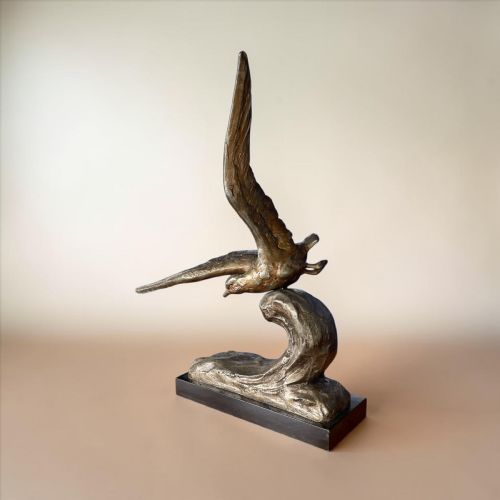
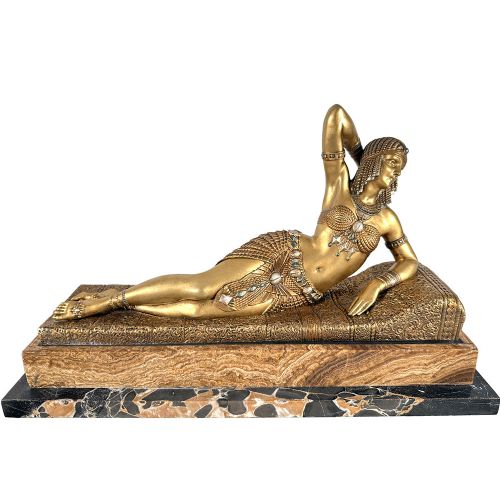
A french art deco statuette brings the dynamic forms of the 1920s and 1930s into domestic spaces, depicting dancers, animals and mythological figures. The most common version met on this page pairs a cast metal figure with a heavy stone base.
Makers produced these works as decorative sculptures, bookends, paperweights and car mascots. Subjects range from classical figures like Cleopatra to modernist dancers and stylised panthers.
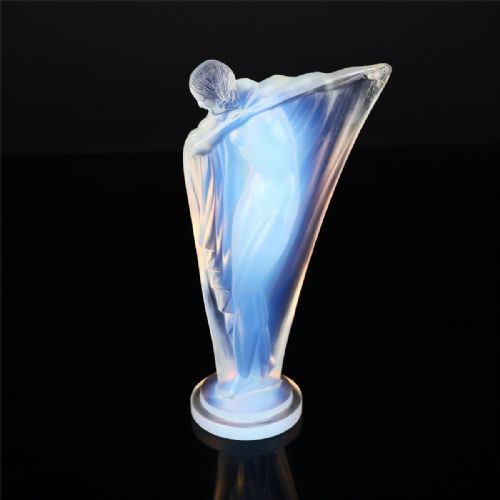
The objects originate from French studios and foundries working during the height of the Art Deco movement. They capture movement through poised limbs, outstretched drapes and sharp geometric lines.
Materials and Construction
Foundries cast figures in bronze, silvered bronze and spelter, often finishing the metal with patination or gilding. These metal castings frequently sit upon contrasting bases of marble or onyx.
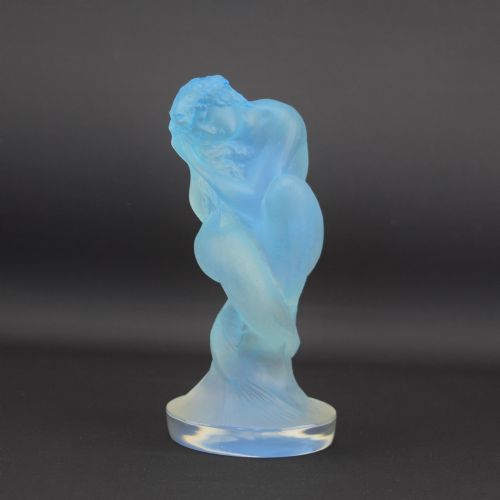
Glassmakers utilised pressing and moulding techniques to produce pieces in opalescent glass, frosted glass and coloured crystal. Ceramic studios also shaped similar figural subjects in terracotta and glazed ceramic.
Listings feature works dated across the 1920 and 1930 periods, executed in marble, bronze, onyx, glass and ceramic.
Judging Quality
Quality rests in the crispness of the casting and the sensitivity of the chasing work on the metal surface. Superior examples retain fine details in hair, drapery and facial expressions.
The choice and execution of the base materials elevate a piece, particularly where veined marble or onyx is fitted precisely to the sculpture. Signed works by established sculptors and glassmakers command greater attention for their documented authorship.
Demetre Chiparus·Rene Lalique·Claire Jeanne Roberte Colinet·Pierre le Faguays·Marius Ernest Sabino·Michel Decoux
The French Art Deco Statuette Glossary
- Spelter
- A zinc alloy utilised as an economical alternative to bronze for metal figures. It takes patination well but is softer than bronze.
- Patinated bronze
- Bronze treated with chemical solutions to produce a coloured surface finish. This technique enhances the contours of the sculpture.
- Opalescent glass
- Glass containing ingredients that cause it to milky-blue in transmitted light and warm amber in reflected light. René Lalique frequently utilised this effect.
- Car mascot
- A sculptural ornament mounted on the radiator cap of an automobile. Many glass examples double as paperweights when removed from their mounts.
- Caryatid
- A carved architectural figure acting as a support column. In statuary, the term describes figures holding structural elements or drapery.
French Art Deco Statuette: Frequently Asked Questions
What materials are these figures made from?
Sculptors and manufacturers worked with cast bronze, silvered bronze, spelter and terracotta for figural subjects. Bases typically consist of marble or onyx.
Glassworks produced pieces using opalescent and frosted glass, whilst ceramics appear in glazed finishes.
How do I distinguish bronze from spelter?
Bronze is a heavy, durable copper alloy that accepts detailed chasing and warm patination. Spelter is a softer zinc alloy that feels lighter and shows more wear around fine edges.
Checking the underside or unpainted areas often reveals the underlying metal colour.
Were these pieces signed by their creators?
Many sculptures carry the signature or monogram of the artist cast directly into the metal base or body. Glass pieces often feature acid-etched or moulded signatures.
Unsigned works remain common, produced by anonymous studio workshops during the same period.
How were car mascots displayed indoors?
Mascots made of glass were designed to screw onto automobile radiator caps with specialised internal fittings. When displayed indoors, collectors mount them on lit bases or wooden socles to showcase the glass.