

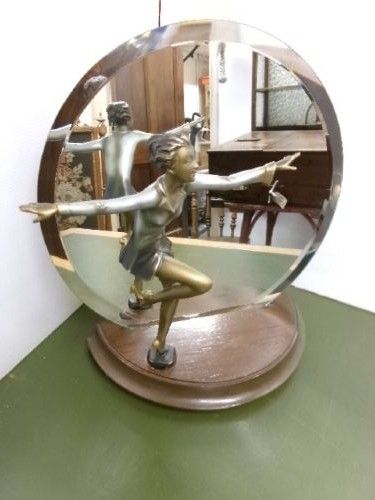
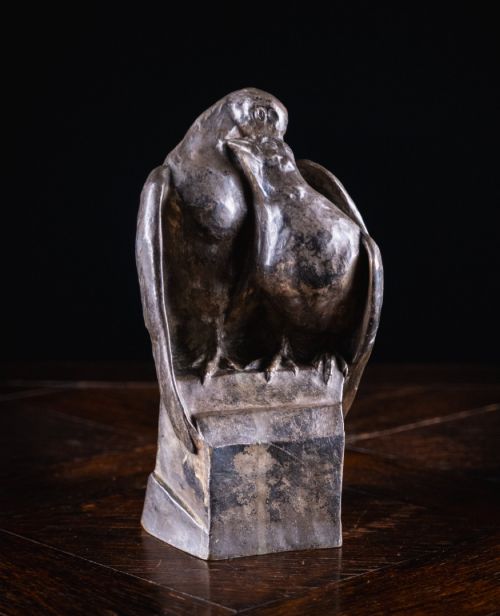
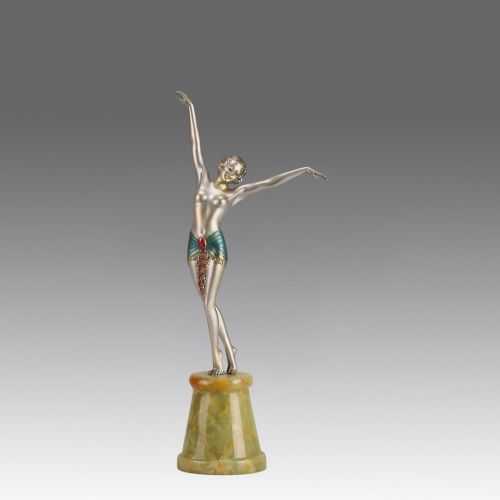
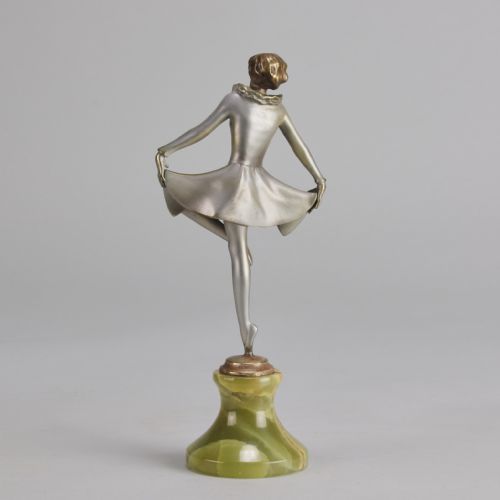
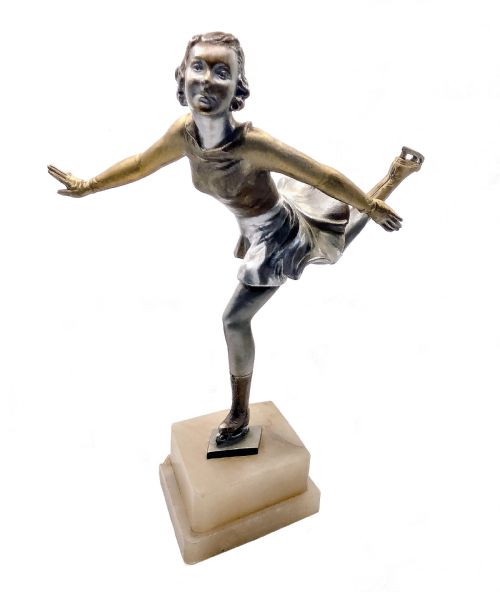
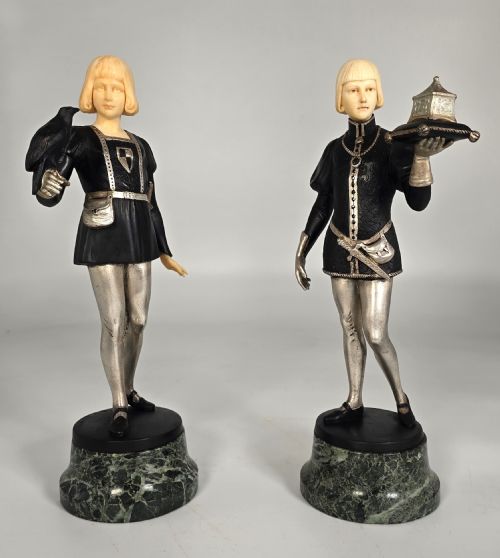


Silvered Bronze Figurine
These pieces combine metallic sheen with sculptural form, offering a distinct visual presence for any collector.
Silvered Bronze Figurine
A silvered bronze figurine brings together metalwork and sculpture, often taking the form of dancers, animals, or historical subjects. When you search for silvered bronze figurine, you encounter works spanning from the nineteenth century into the Art Deco period of the nineteen-twenties and nineteen-thirties.
The objects on this page vary from classical animal studies and Italian pastoral scenes to stylised French dancers and Japanese wildlife models. Many examples incorporate bases made of marble or onyx to anchor the metal sculpture.
Makers from various European schools created these items, utilising casting methods that captured fine details in posture and drapery. Buyers often select these works to add period character to a room or to focus a collection on specific sculptural movements.
Judging quality and execution
The integration between the metal figure and its stone base indicates the care taken during assembly. Heavier, well-fitted mounts of marble or onyx support the stability and overall visual balance of the sculpture.
Materials appearing across these sculptures include marble, onyx, bronze, spelter, enamel, glass, and cold paint.
Pierre le Faguays·Ferdinand Preiss·Josef Lorenzl·Frederique Cederlund-Ozanne·Gotthilf Jaeger·Claire Jeanne Roberte Colinet·Demetre Chiparus·Alexandre Kelety·Geo Maxim·Paul Joris·Michel Decoux·Karl Hagenaur
The Silvered Bronze Figurine Glossary
- Silvered bronze
- A copper alloy treated with a layer of silver to give a bright, reflective metallic surface. This finish was widely applied during the nineteenth and early twentieth centuries to highlight sculptural contours.
- Cold-painted
- A method where paint is applied to metal without being fired in a kiln. This technique appears frequently on decorative figures from the early twentieth century.
- Spelter
- A zinc-based alloy utilised as an economical alternative to bronze for decorative figures. It often received bronze or silver plating to mimic more expensive metals.
- Animalier
- A nineteenth-century artistic genre dedicated to the realistic portrayal of animals. Sculptors in this tradition focused closely on anatomical accuracy and natural movement.
- Art Deco
- A design style from the nineteen-twenties and nineteen-thirties characterising streamlined forms and stylised figures. It is heavily represented among dancers and animal sculptures.
Silvered Bronze Figurine: Frequently Asked Questions
What is a silvered bronze figurine?
It is a sculptural object cast in metal and given a silver-plated finish, often depicting human figures, animals, or mythological subjects.
These pieces were produced primarily in Europe during the nineteenth and early twentieth centuries as decorative mantel or cabinet ornaments.
How do I care for these figures?
Keep the metal surfaces clean by dusting gently with a soft, dry cloth without applying harsh chemical polishes.
Protect the silvered finish and any cold-painted details by placing the sculpture away from direct sunlight and high humidity.
How do I distinguish spelter from bronze?
Spelter is lighter in weight and tends to show a dull grey metal beneath worn areas of plating, whereas bronze exhibits a warmer reddish-brown tone.
Bronze also offers greater tensile strength, allowing for finer, crisper details in limbs and drapery.
Why are marble bases common?
Marble and onyx bases provided necessary weight to anchor slender metal figures and prevent them from tipping over.
They also introduced a contrasting geometric element that complemented the vertical lines of Art Deco designs.