

Antique Silvered Figure
When you search for an antique silvered figure, you enter a world of metallic finish, sculptural form, and period craftsmanship.
Antique Silvered Figure
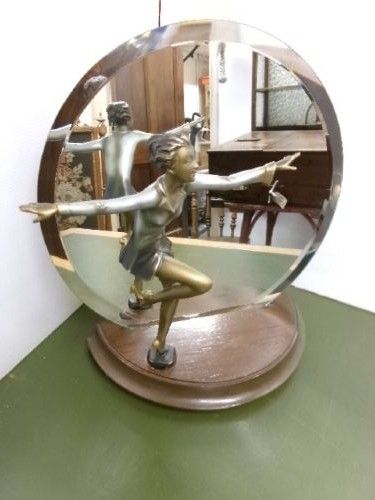
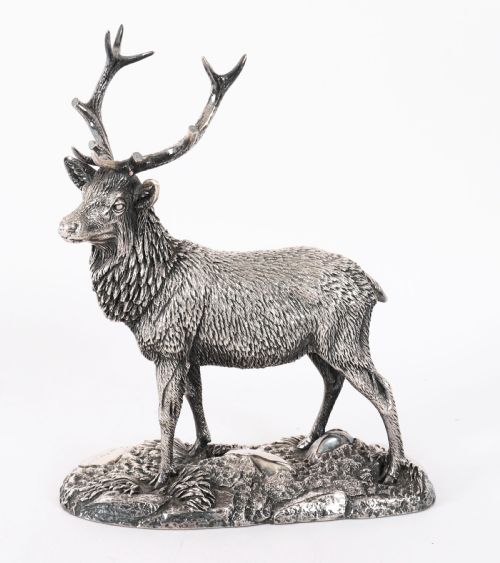
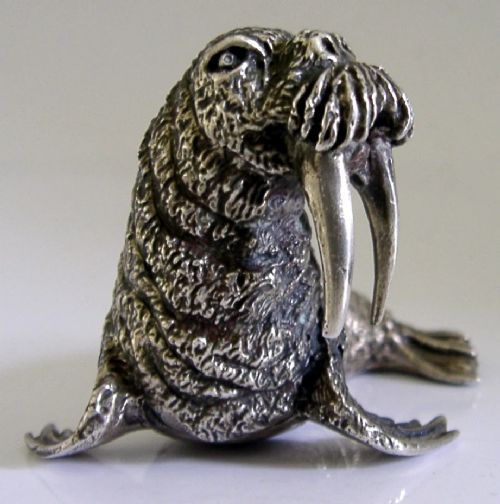
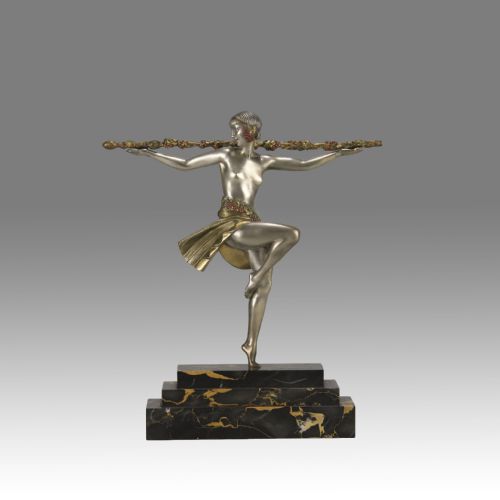
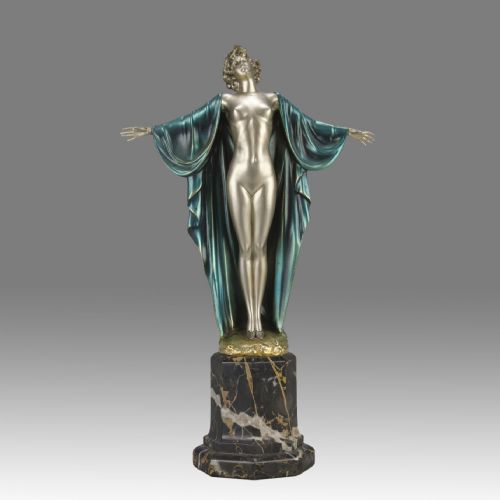
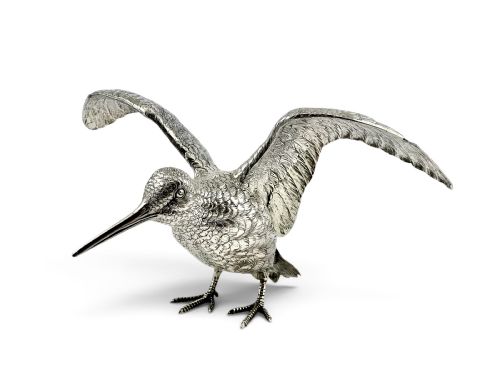
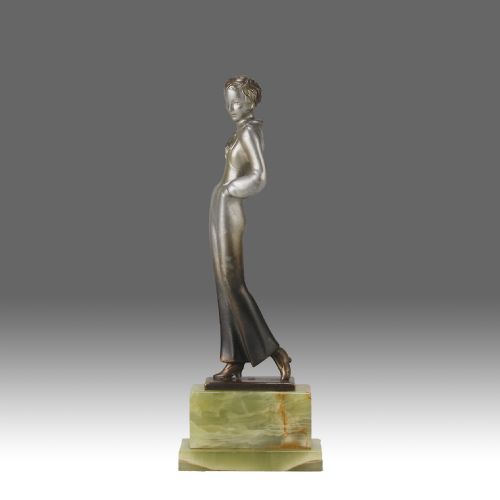
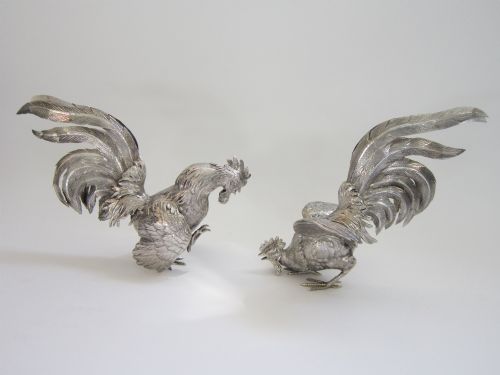
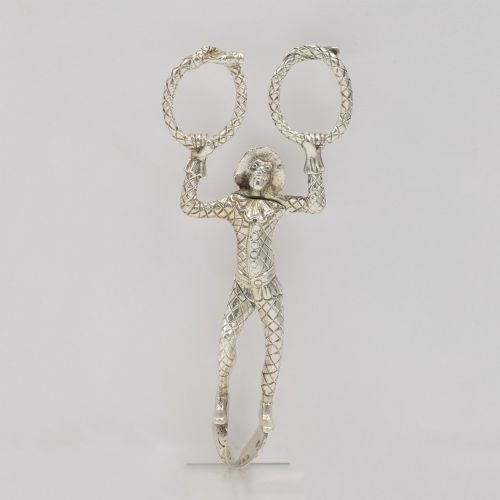
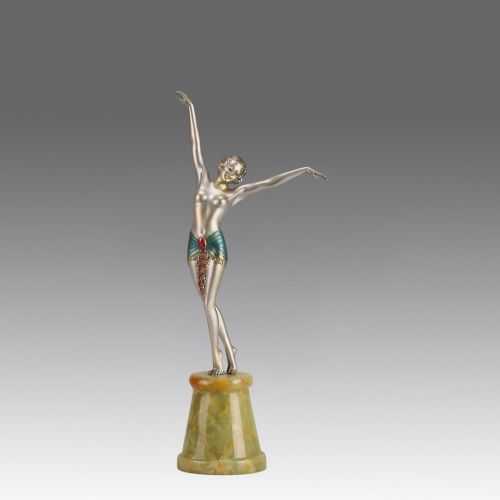
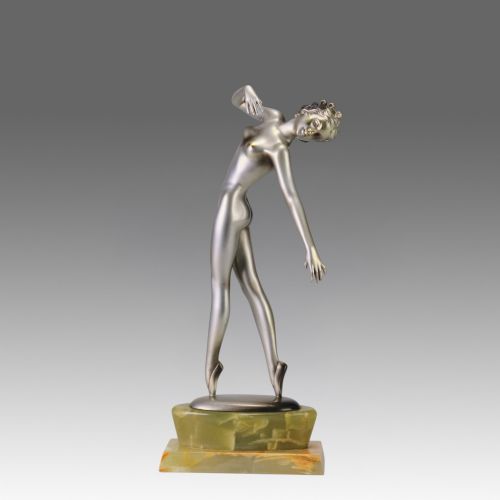
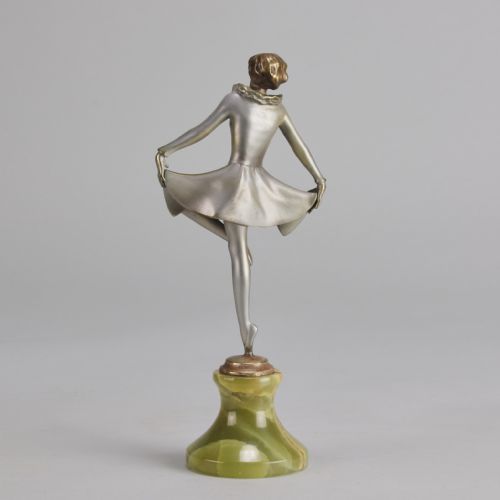
An antique silvered figure encompasses sculptural works and decorative ornaments treated with a silvered surface, spanning the Victorian, Edwardian, and Art Deco periods.
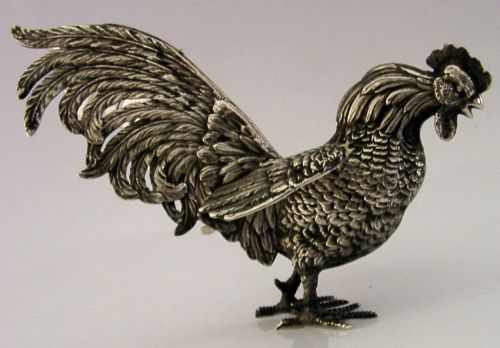
You will encounter dancers, animals, and classical subjects created as table ornaments, candlesticks, or standalone sculptures.
The materials underneath these metallic surfaces vary widely, ranging from bronze and spelter to wood and marble bases.
Materials and construction methods
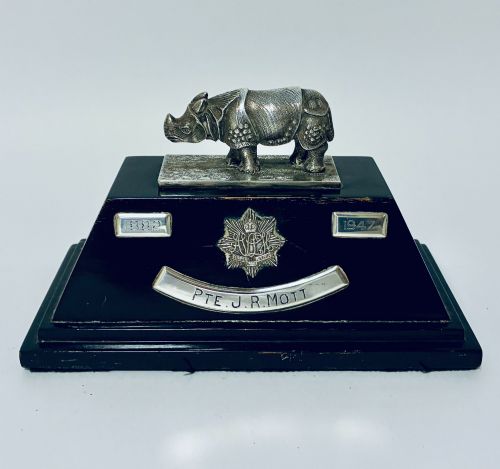
The listings show figures constructed from solid sterling silver, silver-plated metals, and cold-painted bronze, alongside mixed media pieces incorporating ivory, marble, and onyx bases.
Spelter and bronze serve as common foundational metals for Art Deco and early twentieth-century subjects, finished with patination or silver plating to achieve the desired metallic lustre.
Among the creatures standing ready on desks and tables are wooden woodcocks, silver hedgehogs, and policemen pin cushions.
Factors that define the standard
The integration of supportive materials, such as heavy marble or onyx plinths, contributes to the overall presence and stability of the piece.
Tom Mackie·Pierre le Faguays·Ferdinand Preiss·Josef Lorenzl·Dee and Fargus·WMF·Alexandre Louis Martin·Lerolle Fres·Gotthilf Jaeger·Edward and John Barnard·Timothy Hughes
The Antique Silvered Figure Glossary
- Silvered bronze
- Bronze metal treated with a silver coating or finish. This technique provides the visual appeal of silver while utilising a durable base metal.
- Spelter
- An alloy of zinc and other metals frequently used for figures. It serves as a common base for metallic finishes in twentieth-century decorative objects.
Antique Silvered Figure: Frequently Asked Questions
What is a silvered figure?
A silvered figure is a decorative sculpture or ornament finished with a silver coating, often applied over bronze, spelter, or other base metals. These pieces range from small animal models to human dancers.
They appear across various twentieth-century movements, notably Art Deco, bringing metallic sheen and sculptural form to interior spaces.
How are these figures cleaned?
Cleaning depends entirely on the surface material and whether the piece is solid silver, silver-plated, or silvered bronze. Gentle dusting with a soft cloth preserves delicate finishes.
Harsh chemical dips and abrasive silver polishes ruin cold-painted details and thin plated surfaces, so conservative maintenance is essential.
Where were they displayed?
These decorative objects found places on mantelpieces, desk tops, and pedestal torchere floor lamps in homes of the Victorian and Edwardian eras. Later Art Deco examples often ornamented sideboards and dressing tables.
They functioned as conversation pieces, menu holders, pin cushions, or purely aesthetic table ornaments.
How do I date a figure?
Dating relies on stylistic markers such as Art Deco geometric lines or Victorian realism, alongside any visible hallmarks on silver components. Base materials like marble, onyx, and spelter also align with specific manufacturing decades.
Maker signatures inscribed directly into the bronze or metal base offer the most reliable path to determining origin and date.