
1920s Art Deco Bronzes
These 1920s art deco bronzes capture movement and glamour through dynamic figures of dancers and sleek lighting forms.
1920s Art Deco Bronzes
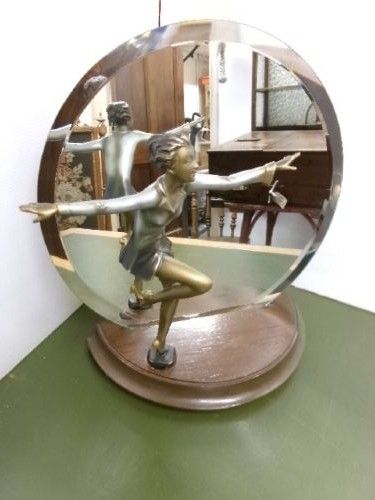
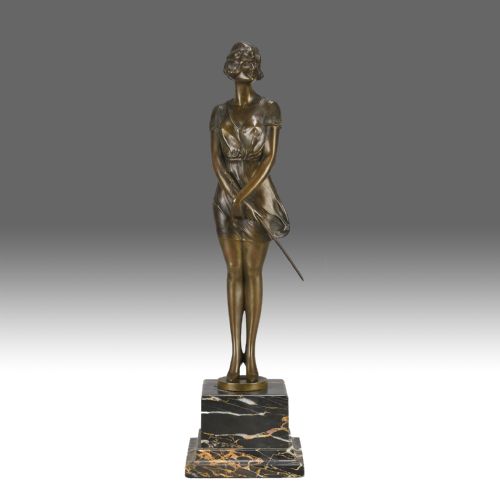
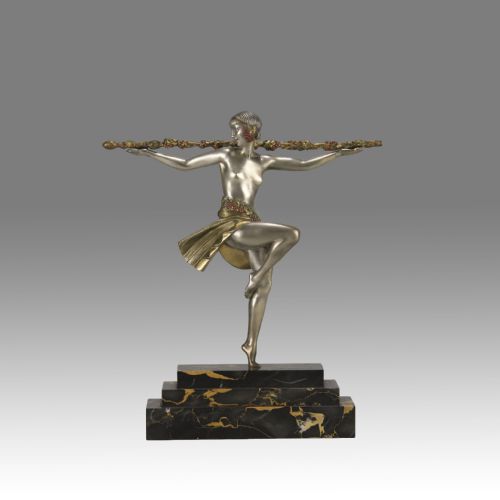
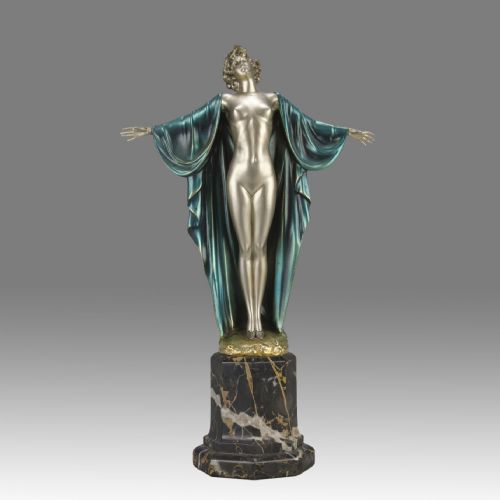
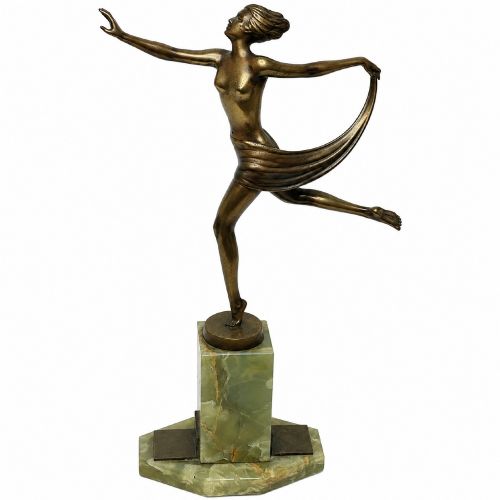
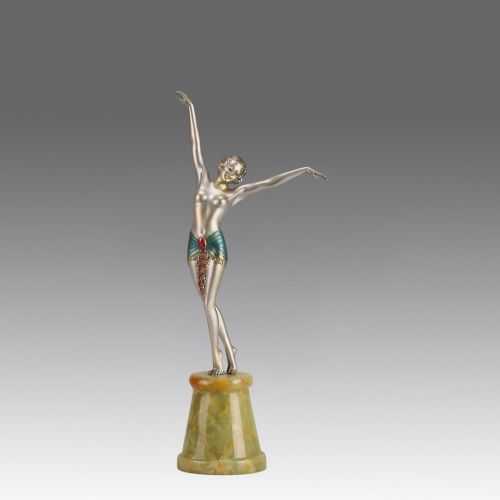
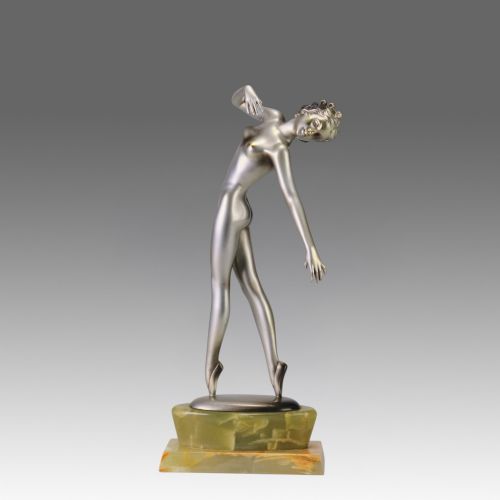
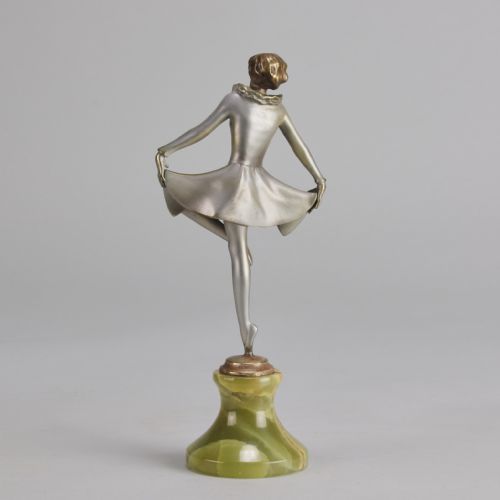
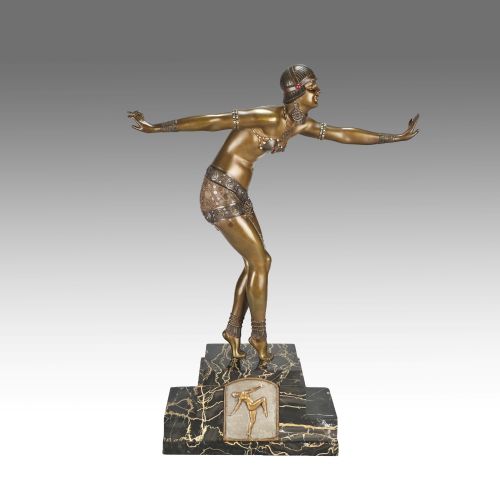
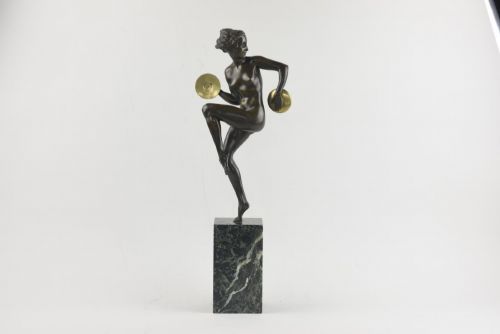
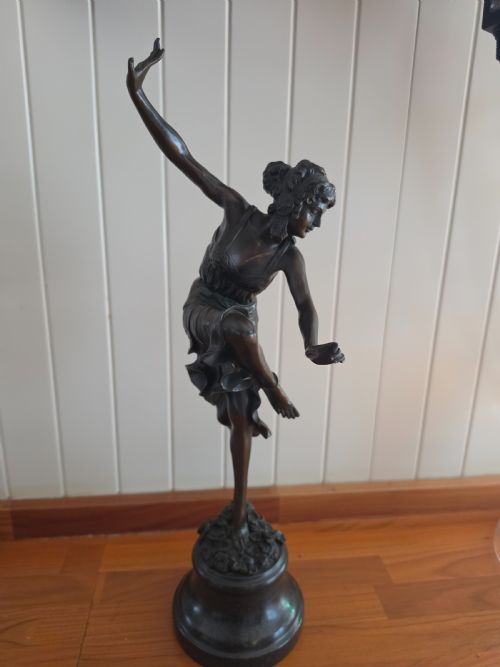
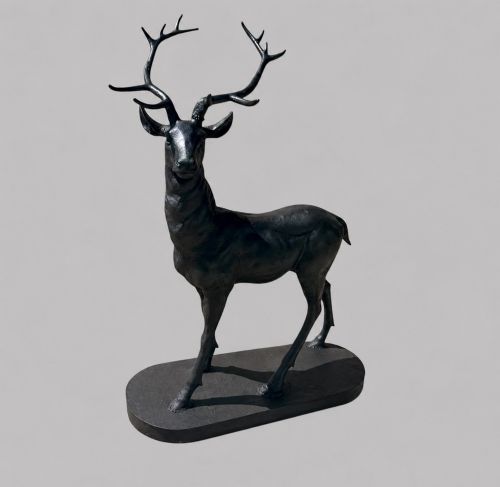
When searching for 1920s art deco bronzes, collectors encounter a focused array of sculptural objects originating from the early 20th century. The selection is dominated by freestanding figurines and wall sculptures depicting dancers, athletes, and animal studies.
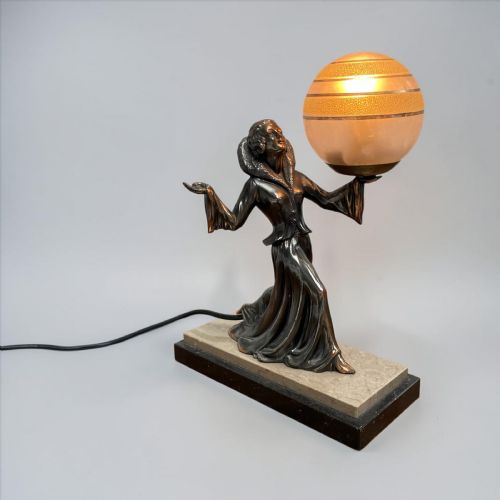
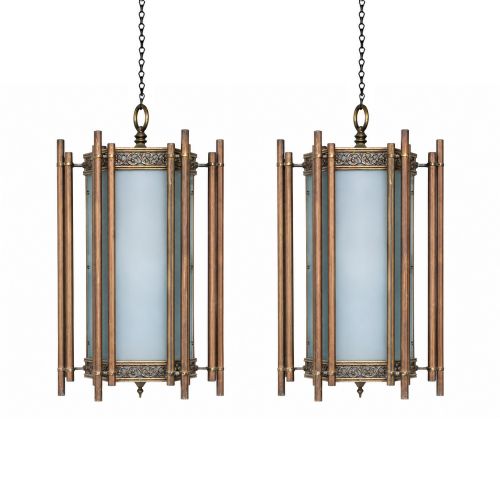
Beyond standalone sculptures, the category includes functional items such as table lamps, mantel clocks, and ceiling lights. These pieces frequently incorporate materials like marble, onyx, and glass alongside metal elements.
The aesthetic is distinctly rooted in the Art Deco and Bauhaus styles, spanning production dates primarily from the 1910s through the 1930s. Dancers and female figures form the most common pictorial subject matter across the available examples.
Materials and construction methods
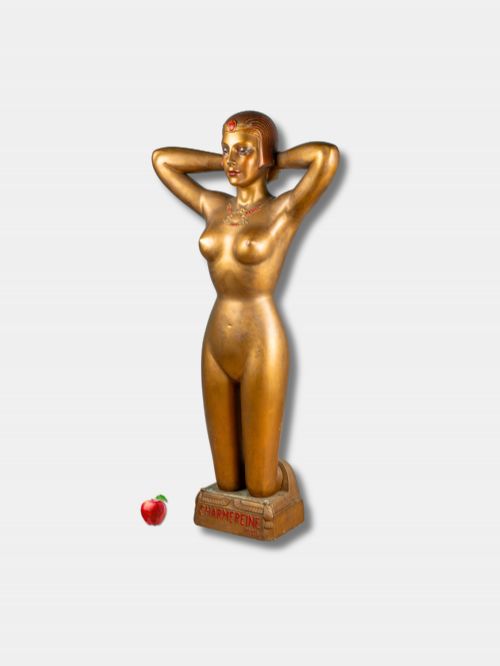
Makers utilised bronze as the primary metallic medium, often applying cold-painted surface treatments or gilt finishes to enhance detail. Spelter and brass also appear as alternative metals in sculptural and lighting forms.
Many figurative pieces combine metal work with carved bases of marble or onyx, providing physical stability and colour contrast. Glass components are integrated into lighting fixtures like table lamps and hanging lanterns.
Materials across the listings include bronze, spelter, marble, onyx, glass, brass, and gilt bronze from the 1910s to 1930s.
Distinguishing quality in the pieces
Quality separates through the crispness of the casting and the precision of the hand-painted polychrome or cold-painted surfaces. Superior examples retain fine facial expressions and garment details on dancers and animal studies without obscuring textures.
The choice and integration of secondary base materials, such as heavy veined marble or onyx plinths, differentiate standard commercial outputs from more ambitious sculptural compositions.
Bruno Zach·Pierre le Faguays·Ferdinand Preiss·Josef Lorenzl·Demetre Chiparus
The 1920s Art Deco Bronzes Glossary
- Cold-painted bronze
- A technique where paint is applied to a bronze object without heat firing. The surface relies on careful preparation for adherence.
- Spelter
- An alloy of zinc and other metals used as a cheaper alternative to bronze. It offers similar casting capabilities but possesses less tensile strength.
- Chryselephantine
- A sculpture made from a combination of bronze and ivory. It is frequently seen in high-end figural works of the period.
- Patinated metal
- Metal treated with chemicals or heat to produce a coloured oxide layer on the surface. This finish protects the underlying material and creates decorative depth.
- Bauhaus
- A German art school and style emphasising functional design and industrial materials. It strongly influenced the geometric table lamps of the period.
1920s Art Deco Bronzes: Frequently Asked Questions
What subjects do these bronzes show?
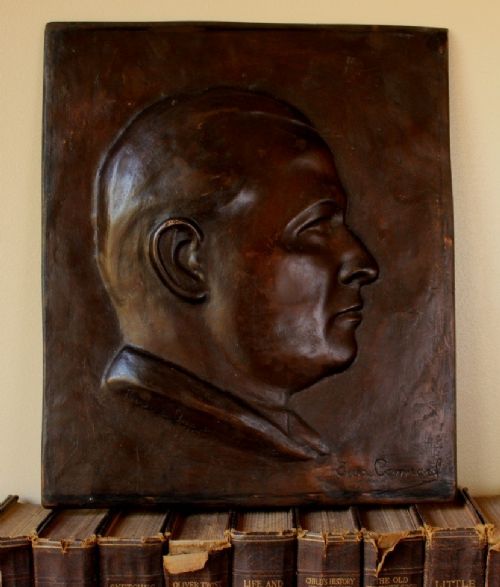
The sculptures predominantly depict female dancers, athletes, and symbolic figures in dynamic motion. Animal studies and portrait plaques also occur within the selection.
Human forms range from Egyptian-themed dancers to sporting figures and car mascots.
How do lamps differ from sculptures?
Table lamps and ceiling lanterns integrate functional lighting elements while maintaining the characteristic geometric style of the era. They frequently pair metal figures with glass shades.
Standalone sculptures focus purely on figurative display without electrical integration.
Why are marble bases used?
Heavy stone plinths made of marble or onyx provide essential physical counterbalance for tall, slender figurative sculptures. They also establish a distinct colour and textural contrast to the patinated metal above.
These bases anchor the dynamic poses typical of dancer figurines.
How are cold-painted finishes identified?
Cold painting involves the application of unfired pigments directly onto the treated bronze surface. This technique allows for intricate multi-coloured costumes on figures like dancers.
Examining the pigment under magnification reveals the absence of kiln-fired enamel gloss.